






Addiction rarely begins with secrecy. It often starts quietly, with small changes in behavior that feel manageable at first. A person may believe they still have control and can stop anytime. As substance use grows, honesty becomes harder. Conversations feel uncomfortable. Questions from loved ones create anxiety. Eventually hiding the problem seems easier than explaining it.
Many families only discover the truth after trust has already been damaged. This can leave everyone confused and hurt. Understanding why people hide addiction helps families respond with compassion instead of anger. Addiction treatment then becomes the bridge that repairs relationships step by step.
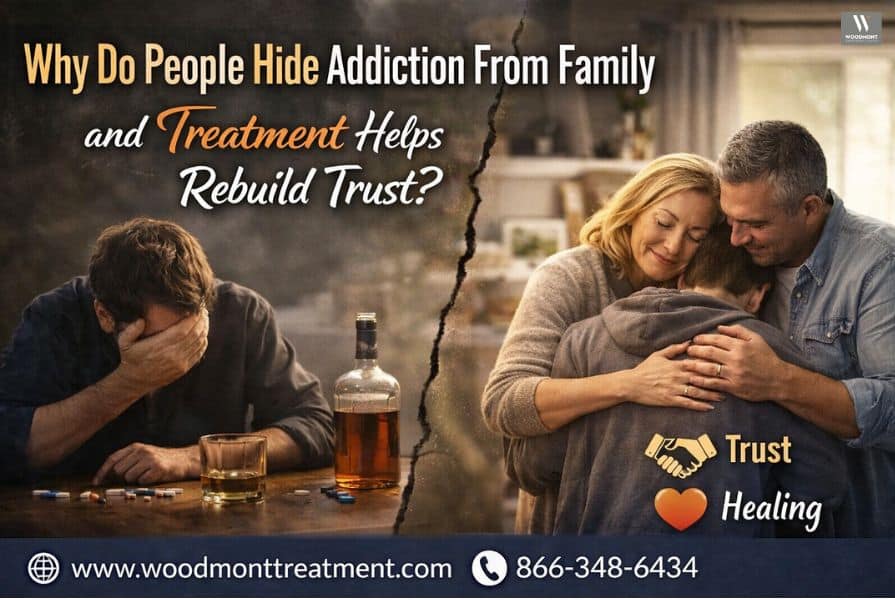
The Fear of Disappointment
Most people care deeply about how their family sees them. They want to be dependable, responsible, and strong. When substance use begins interfering with responsibilities, guilt develops.
Instead of admitting the struggle, a person may avoid conversations or make excuses. They tell themselves they will stop soon and then everything will return to normal. In their mind, honesty would cause pain while silence buys time.
The longer the problem continues, the heavier that guilt becomes. Secrecy grows not because they do not care, but because they care too much and feel ashamed.
Shame and Self Image
Addiction often changes how people see themselves. Someone who once felt confident may now feel embarrassed or weak. They worry family members will see only the behavior and not the person underneath it.
This fear leads to hiding signs such as:
- Mood changes
- Missed obligations
- Financial issues
- Sleep problems
- Social withdrawal
Shame convinces individuals they must solve the problem alone before anyone finds out. Unfortunately addiction rarely improves in isolation, which deepens the secrecy.
Protecting Loved Ones From Worry
Some individuals believe they are protecting their family by staying silent. They may think telling the truth will cause stress, arguments, or disappointment. Parents, partners, and children may already rely on them, and they do not want to add another burden.
This protective instinct has good intentions but harmful results. Families sense something is wrong even if they do not know what it is. Uncertainty often creates more anxiety than honesty would have.

Fear of Consequences
Practical concerns also play a role. People may fear losing financial support, housing, or custody of children. Young adults worry about disappointing parents. Adults worry about how their partner will react.
Because of this, they hide evidence and avoid serious discussions. Each secret feels necessary to keep life stable. Over time those secrets damage relationships more than the truth would have.
How Secrecy Affects Families?
Families often notice changes before they understand the cause. They may see irritability, distance, or broken promises. Without explanation, they sometimes assume the person no longer cares about them.
This misunderstanding leads to:
- Arguments
- Suspicion
- Emotional distance
- Loss of trust
Trust does not disappear in one moment. It fades through repeated confusion and unanswered questions. Both sides feel hurt, yet neither fully understands the other’s experience.
Why Honesty Feels So Difficult?
Admitting addiction requires vulnerability. It means acknowledging loss of control and asking for help. Many people fear this moment because they imagine permanent judgment.
In reality, families often feel relief when the truth comes out. They finally understand the behavior they could not explain. The problem becomes something everyone can address together rather than a silent mystery.
Still, starting that conversation can feel impossible without guidance. This is where treatment becomes essential.
Breaking the Silence of Addiction and Rebuilding Family Trust
Addiction often creates silence, distance, and broken trust within families. With the right treatment and support, individuals can open up, begin honest conversations, and rebuild trust step by step. Professional care helps restore relationships, strengthen family bonds, and support lasting recovery.
Get Started NowHow Treatment Supports Rebuilding Trust?
Recovery is not only about stopping substance use. It is about repairing relationships and restoring reliability.
Open Communication
Therapy encourages honest conversations in a structured setting. Individuals learn how to explain their experience while family members share how they were affected. A guided discussion prevents blame and keeps focus on understanding.
Accountability
Consistent participation in treatment shows commitment to change. Keeping appointments, following plans, and communicating progress demonstrates responsibility. Over time actions replace promises.
Education for Families
Families learn how addiction affects behavior and thinking. This reduces personal blame and increases patience. When loved ones understand the condition, they respond more supportively.
Healthy Boundaries
Recovery involves setting clear expectations. Boundaries protect both sides and prevent old patterns from returning. Trust grows when everyone understands what is acceptable and what is not.
Consistent Behavior
Trust rebuilds through repeated positive actions. Showing up on time, keeping commitments, and communicating openly gradually repairs confidence. Small daily reliability matters more than grand gestures.
The Emotional Shift During Recovery
As treatment continues, conversations become calmer. Families notice effort instead of avoidance. Individuals feel less defensive because they are no longer hiding.
Forgiveness rarely happens overnight. It develops through consistent honesty. Each week of progress replaces doubt with reassurance.
Eventually the relationship becomes stronger because it is built on openness rather than assumptions.
Moving Forward Together
Recovery transforms not only the individual but the family dynamic. Many families report improved communication compared to before addiction began. They learn to talk directly, listen carefully, and support each other in healthier ways.
The process requires patience, but the outcome often brings deeper connection than expected.
Conclusion
People hide addiction from family for many reasons including shame, fear, and the desire to protect loved ones from worry. Secrecy may feel safer in the moment, yet it slowly damages trust on both sides. Treatment creates a safe space for honesty, accountability, and understanding, allowing relationships to heal alongside recovery.
If you or someone close to you is struggling, compassionate help is available. The team at Woodmont Treatment offers supportive care that focuses on both recovery and rebuilding family connections. Reach out today and begin the path toward trust, stability, and lasting change.
Frequently Asked Questions
1. Why do people lie about addiction even when they love their family?
Most lies come from shame and fear of hurting loved ones, not lack of care.
2. Can trust really return after addiction?
Yes. Trust rebuilds through consistent honesty and reliable behavior over time.
3. Should families confront someone directly?
Calm and supportive conversations are usually more effective than accusations.
4. Does family therapy help recovery?
It helps improve communication and understanding, which supports long term progress.
5. How long does rebuilding trust take?
The timeline differs for each family, but steady effort and transparency gradually restore confidence.