






Medically reviewed by: Dr. Chang Kempson, M.D., M.S. Expert in addiction medicine and toxicology.
Quick Answer: Yes, alcohol withdrawal can be fatal in severe cases. While many people experience symptoms such as anxiety, sweating, nausea, and insomnia when they stop drinking, others may develop life-threatening complications including seizures, hallucinations, and delirium tremens (DTs). Medical supervision can significantly reduce these risks.
If you or a loved one is considering quitting alcohol after prolonged or heavy drinking, understanding the dangers of alcohol withdrawal is essential.
Can Alcohol Withdrawal Kill You?
Yes. Alcohol withdrawal can become life-threatening when symptoms progress beyond mild discomfort and develop into serious medical complications.
Many people assume withdrawal only involves shaking, sweating, or feeling anxious. While those symptoms are common, alcohol withdrawal can also cause:
- Seizures
- Hallucinations
- Dangerous blood pressure spikes
- Severe dehydration
- Delirium Tremens (DTs)
- Cardiac complications
The risk increases significantly for people who drink heavily every day, have been drinking for years, or have experienced withdrawal symptoms before.
For individuals experiencing alcohol dependence, learning more about the signs of alcohol abuse treatment and recovery options can be an important first step toward safer healing.
Related: https://woodmonttreatment.com/conditions/alcohol-abuse/
Why Alcohol Withdrawal Can Be Dangerous
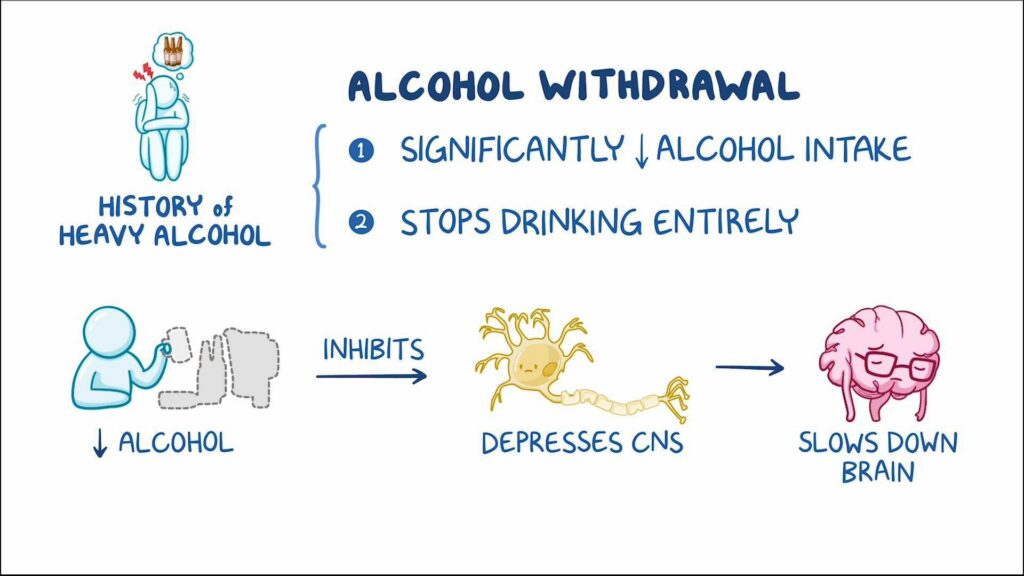
Alcohol affects the central nervous system. Over time, the brain adapts to alcohol’s presence and begins relying on it to maintain balance.
When alcohol is suddenly removed, the nervous system becomes overstimulated. This overactivity can trigger withdrawal symptoms that range from mild to potentially fatal.
The biggest danger is unpredictability.
Someone may feel relatively stable during the first day and then develop severe symptoms 48 to 72 hours later.
This is why medical professionals strongly recommend evaluation before attempting to quit alcohol independently.
Alcohol Withdrawal Severity Comparison
| Mild Withdrawal | Moderate Withdrawal | Severe Withdrawal |
|---|---|---|
| Anxiety | Elevated blood pressure | Delirium Tremens |
| Sweating | Significant tremors | Seizures |
| Headache | Persistent vomiting | Hallucinations |
| Nausea | Increased heart rate | Severe confusion |
| Difficulty sleeping | Panic symptoms | Life-threatening complications |
Not everyone experiences severe withdrawal, but there is no reliable way to predict who will.
What Is Delirium Tremens (DTs)?
Delirium Tremens, commonly called DTs, is one of the most dangerous forms of alcohol withdrawal.
DTs can develop when someone with significant alcohol dependence suddenly stops drinking.
Symptoms may include:
- Severe confusion
- Extreme agitation
- Fever
- Hallucinations
- Dangerous cardiovascular changes
- Seizures
Without immediate medical treatment, DTs can become fatal.
Delirium Tremens is a medical emergency that should never be ignored.
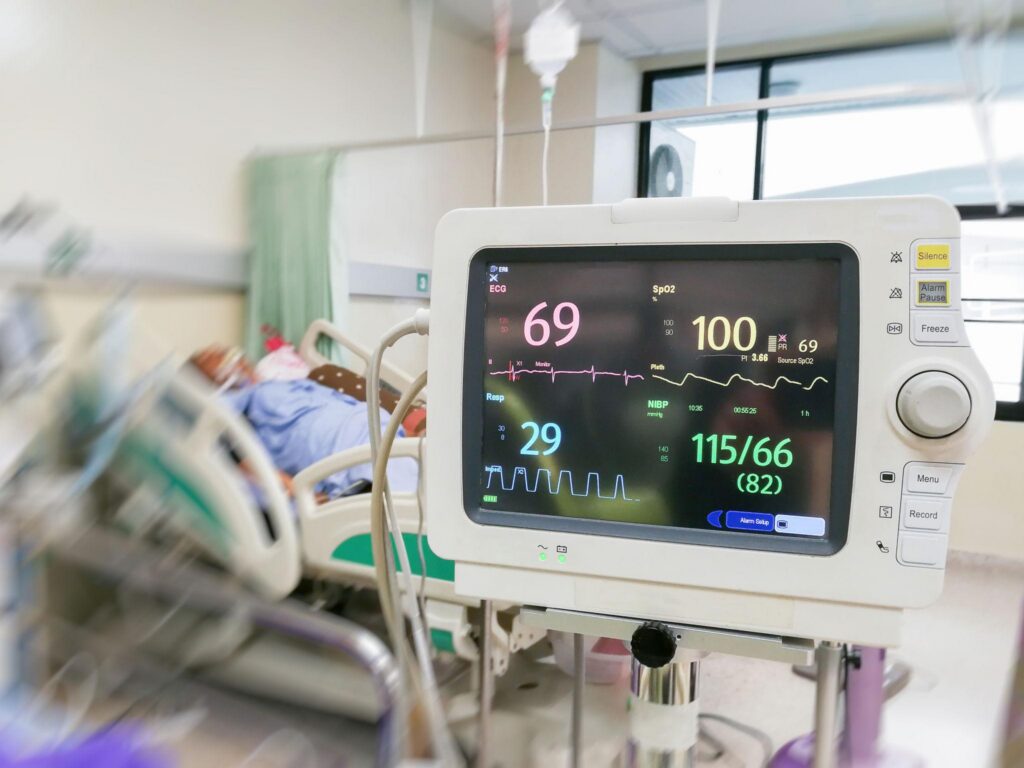
Alcohol Withdrawal Timeline: What Happens After Your Last Drink?
Understanding the withdrawal timeline can help individuals and families recognize when symptoms may become dangerous.
6–12 Hours After the Last Drink
Common symptoms include:
- Anxiety
- Restlessness
- Sweating
- Mild tremors
- Headaches
- Nausea
At this stage, many people underestimate what may follow.
12–24 Hours
Symptoms may intensify:
- Elevated heart rate
- Increased blood pressure
- Sleep disturbances
- Heightened anxiety
- Gastrointestinal discomfort
24–48 Hours
Serious complications may begin to emerge:
- Hallucinations
- Severe tremors
- Seizure risk increases
This period often requires close monitoring.
48–72 Hours
For some individuals, this is the most dangerous stage.
Potential complications include:
- Delirium Tremens
- Severe confusion
- Cardiovascular instability
- Medical emergencies
Many severe alcohol withdrawal cases occur during this period.
After 72 Hours
Acute symptoms often begin improving, although some individuals may continue experiencing anxiety, sleep problems, cravings, or mood changes for weeks.
Warning Signs You Should Never Ignore
Seek immediate medical attention if you or a loved one experiences:
- Seizures
- Hallucinations
- Extreme confusion
- Chest pain
- Difficulty breathing
- Loss of consciousness
- Rapid heart rate
- Severe agitation
These symptoms may indicate a medical emergency requiring professional care.

Real-Life Scenario: When Withdrawal Escalates Quickly
Imagine someone who drinks heavily every day for more than a decade.
They decide to quit drinking without medical support.
The first day seems manageable. They experience shaking and anxiety.
By the second day, their symptoms worsen. Sleep becomes impossible. Their heart rate increases dramatically.
By the third day, they begin experiencing confusion and eventually suffer a withdrawal seizure.
Situations like this occur more often than many people realize, which is why professional support can be critical.
When family members recognize the risks before the individual does, a professional intervention may help encourage treatment before symptoms become life-threatening.
Learn more: https://woodmonttreatment.com/treatment/interventions/
Who Is Most at Risk for Severe Alcohol Withdrawal?
Certain individuals face a significantly higher risk of dangerous complications.
Risk factors include:
- Daily alcohol consumption
- Heavy drinking patterns
- Previous withdrawal episodes
- Prior withdrawal seizures
- Long-term alcohol dependence
- Liver disease
- Heart conditions
- Co-occurring mental health disorders
The more risk factors present, the greater the need for medical supervision.
Is It Safe to Detox From Alcohol at Home?
One of the most common questions people ask is:
“Can I detox from alcohol at home?”
The answer depends on several factors, including drinking history, overall health, and previous withdrawal experiences.
The challenge is that severe symptoms often develop unexpectedly.
Someone may appear stable initially and then experience seizures or DTs days later.
Because alcohol withdrawal can escalate rapidly, professional assessment is strongly recommended before attempting detox.
Medical Detox vs. Detoxing Alone
| Detoxing Alone | Medical Detox |
|---|---|
| No medical supervision | 24/7 monitoring |
| Higher risk of complications | Clinical symptom management |
| No emergency response available | Immediate medical support |
| Increased uncertainty | Structured treatment planning |
| No medication support | Evidence-based withdrawal management |
For many individuals, entering a medically supervised alcohol detox program provides the safest environment to begin recovery.
Learn more about alcohol detox: https://woodmonttreatment.com/treatment/detoxification/alcohol/
Alcohol Withdrawal Treatment in New Jersey
Every year, thousands of New Jersey residents struggle with alcohol dependence and withdrawal symptoms.
Many individuals attempt to quit drinking on their own, unaware that withdrawal can become a medical emergency.
Access to professional alcohol detox services in New Jersey can help individuals safely manage symptoms while preparing for ongoing treatment and long-term recovery.
For residents throughout Northern New Jersey, Sussex County, and the surrounding Tri-State Area, understanding the risks of withdrawal early may help prevent serious complications later.
Signs a Loved One May Need Immediate Alcohol Detox
Family members are often the first people to notice warning signs.
If someone you care about is experiencing the following symptoms, professional evaluation may be necessary.
| Warning Sign | Why It Matters |
|---|---|
| Drinking daily | Increased dependence risk |
| Drinking in the morning | Possible physical dependence |
| Shaking when alcohol wears off | Withdrawal may already be occurring |
| Previous withdrawal symptoms | Higher risk of severe complications |
| History of seizures | Significant medical concern |
| Failed attempts to quit | May require professional support |
The earlier treatment begins, the lower the risk of serious withdrawal complications.
What Former Clients Often Say About Detox
Many individuals delay treatment because they fear withdrawal.
Common experiences shared by people who enter detox include:
“I thought I could handle quitting on my own until the symptoms became overwhelming.”
“The medical support helped me feel safe during the first few days.”
“The fear of detox was much worse than the actual experience.”
While every recovery journey is unique, professional care often helps reduce both physical discomfort and uncertainty.
Does Insurance Cover Alcohol Detox?
Many insurance plans may provide coverage for alcohol detox and addiction treatment services.
Before beginning treatment, individuals can quickly verify their benefits to better understand available coverage options.
Verify benefits here:
Frequently Asked Questions
Can alcohol withdrawal kill you?
Yes. Severe alcohol withdrawal can lead to seizures, Delirium Tremens, and other potentially fatal complications.
What is the most dangerous day of alcohol withdrawal?
The period between 48 and 72 hours after the last drink is often considered the highest-risk stage.
Can alcohol withdrawal cause seizures?
Yes. Withdrawal seizures are one of the most serious complications associated with alcohol dependence.
How long does alcohol withdrawal last?
Acute withdrawal symptoms generally peak within several days, although some symptoms may persist longer.
Should I go to the emergency room for alcohol withdrawal?
Anyone experiencing seizures, hallucinations, confusion, chest pain, or severe symptoms should seek immediate medical attention.
Is medical detox necessary?
For individuals with significant alcohol dependence or risk factors for severe withdrawal, medical detox is often the safest option.
Get Help Before Symptoms Become Severe
Alcohol withdrawal is more than an uncomfortable experience—it can become a serious medical condition.
If you or a loved one is struggling with alcohol dependence, seeking professional guidance before attempting to quit may help reduce the risk of dangerous complications.
At Woodmont Treatment Center, every individual receives care guided by safety, dignity, personalized treatment, and long-term recovery through the Woodmont Promise.
Learn more about the Woodmont Promise:
If you’re unsure whether detox may be necessary, a confidential assessment can help determine the safest next step.
The earlier you seek help, the more options may be available.