





Objective
This blog will explain why those who have an addiction need more than motivation to heal. It discusses the ways that emotions, stress behaviors, physical pain and the environment in which they live can impact the recovery process. It will also explain the importance of long-term support.
Key Takeaways
- Recovery from addiction isn’t just about self-control.
- Trauma, stress, routines and even the environment can have an impact on recovery.
- Many people require the structure and guidance they need during their recovery.
- An addiction counselor can assist clients in recognizing the triggers and patterns that are unhealthy.
- Alcohol therapy is a great way to improve the ability to communicate and heal emotional wounds.
- Searches for sober living in my area are common following treatment, since stable environments are important.
Table Of Contents
- Why Willpower Is Not Enough
- How Addiction Changes Everyday Life
- Emotional Pain And Substance Use
- Pain Management Near Me And Recovery Challenges
- Why An Addiction Counselor Matters
- Alcohol Therapy And Family Support
- Sober Living Near Me And Daily Stability
- What Recovery Really Looks Like
- FAQs
Why Willpower Is Not Enough in Addiction Recovery?
Many people believe addiction recovery is simply about quitting.
If someone truly wants to stop, they should be able to stop on their own.
In reality, recovery is rarely that simple.
Addiction affects emotional health, daily habits, relationships, stress levels, and even physical wellbeing. That is why long-term recovery usually requires more than motivation alone.
Addiction slowly changes daily routines, emotions, sleep, and decision-making. In time, the use of substances can be a regular part of life. People drink or take substances after work. People use drugs or alcohol to alleviate anxiety and loneliness, anger, or to be emotionally exhausted. Over time, the mind and body become deeply connected to these unhealthy patterns.
That’s why recovery requires more than just motivation. People also need healthier ways to cope with stress and emotional pain.
Wood Mont Treatment understands that long-term recovery is usually dependent on structure, support therapy, and stable routines.
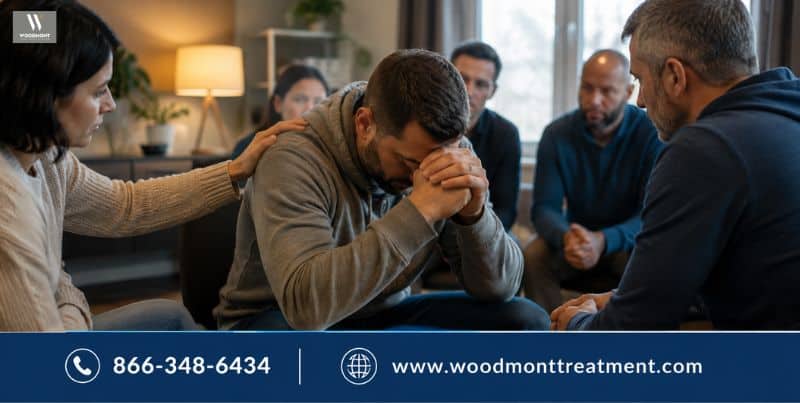
How Addiction Changes Everyday Life?
Addiction slowly changes the way a person lives and functions each day. At first, changes might seem minor. People may begin hiding problems, avoiding responsibilities, or distancing themselves from others.
Many people lose interest in hobbies and activities they once enjoyed. Some people are unable to connect with relatives or acquaintances. Even simple daily routines can start to feel difficult. People who struggle with addiction might be struggling with:
- Normally sleeping
- Managing stress
- Keeping focus
- Maintaining a healthy lifestyle
- Handling conflict calmly
- The management of school or work responsibilities
Family members often notice emotional and behavioral changes over time. This could lead to anxiety, fear, frustration and emotional distance within the home.
Recovery takes time because people are not only quitting substances. They are also rebuilding damaged parts of their lives. This may include rebuilding relationships, routines, emotional stability, and personal confidence.
Emotional Pain And Substance Use
Many people focus only on the addiction itself. They often overlook the emotional pain connected to substance use.
People may begin using drugs after trauma or major stress. Some struggle with divorce, conflict within the family, trauma, injury or mental health issues.
Sometimes, emotional pain was felt several years before.
Someone may appear serene from the outside, yet be experiencing stress throughout the day. Drugs or alcohol may temporarily numb stress, anxiety, trauma, or emotional pain. Unfortunately, that relief usually fades quickly. Over time, addiction often creates additional emotional, financial, and relationship problems.
The reason for this is that emotional support is important when recovering. Recovery often involves learning how to process emotions instead of escaping from them.
Assistance may consist of:
- Therapy
- Recovery groups
- Regular exercise is healthy.
- Exercise
- Better sleeping habits
- Family Support
- Skills for managing stress
These healthy coping strategies can make a major difference during stressful periods of recovery.
Pain Management Near Me And Recovery Challenges
Some addiction problems begin after treatment for physical pain or injury. An individual may suffer from an accident, surgery or a chronic health condition. Many people search for pain management near me while trying to manage chronic pain, injuries, or recovery after surgery.
Treatment for pain is crucial. Problems can develop when medication use slowly turns into emotional or physical dependence.
Some people begin taking more medications than they are prescribed. Other people experience anxiety without the medication. In time, the medication could be linked to emotional well-being instead of just physical discomfort. Addiction can develop gradually and may not always be obvious in the beginning.
It is important to choose treatment that focuses on both pain relief and long-term safety. Families also need to be on the lookout for warning signs like:
- Changes in mood
- Isolation
- Taking extra medication
- Mixing different substances
- Sleep issues
- Emotional withdrawal
Neglecting these signs can cause a more difficult recovery later on.
The best treatment is one that supports both emotional wellbeing.

Why An Addiction Counselor Matters?
Recovery often becomes more stable when people return to a structured and supportive environment. An addiction counselor helps people understand the emotional patterns and behaviors connected to substance use.
They can also assist in identifying factors that contribute to relapse risk.
Some people struggle most during stress. Some people stay sober for weeks or months, then relapse after a stressful breakup, financial pressure, or emotional isolation. Counseling helps people recognize these patterns before they lead to relapse.
Counseling is also a great way to help individuals:
- Develop better habits
- Enhance the communication
- Handle emotional pressure
- Set achievable goals
- Develop relapse prevention techniques
- Rebuild confidence slowly
The family support can be improved when counseling is an element too.
In many homes that are affected by addiction, the communication can become unhealthy. Some constantly fight. Others avoid difficult conversations completely.
A better communication system can help reduce tension and help in the long run to support recovery.
In Wood Mont Treatment, recovery assistance may include counseling, therapy, structured care, and ongoing planning following treatment.
Alcohol Therapy And Family Support
Alcohol-related problems often develop gradually over time.
One can drink with friends initially. Over time, alcohol may become a way to cope with stress, anxiety, loneliness, or emotional exhaustion.
Over time, addiction often creates additional emotional, financial, and relationship problems. This is where alcohol therapy can play an important role.
Alcohol therapy helps people better understand their drinking habits, emotional triggers, and unhealthy coping patterns.Some people drink during stress. Some drink in solitude. Others drink as it has become commonplace in their lives for a long time.
Therapy helps people to understand these behaviors more clearly.
Families can benefit from help.
Addiction can lead to unhealthy patterns of communication within the home. One person might become overly controlled. A different person may withdraw emotionally. Another person could avoid the issue completely.
The treatment for alcohol could be beneficial to families:
- Enhance the communication
- Rebuild trust gradually
- Set healthier boundaries
- Removing blame and shame
- Aid recovery more effectively
Healing is usually gradual through a steady effort and open communication.
Sober Living Near Me And Daily Stability
Many people feel stable during treatment but struggle after returning to their usual environment. Old environments and unhealthy routines can quickly trigger relapse risks.
Stress or isolation, as well as unhealthy relationships, can make it more likely for a relapse to occur.
This is the reason why so many seek sober living in my area following treatment.
A sober living environment gives people more structure during recovery.
Residents of sober living homes typically follow routines that help maintain stability, such as:
- Curfews
- Drug-free, drug-free environments
- Group accountability
- Meetings for recovery
- Sharing of responsibilities
Looking for sober living in my area is usually a part of creating a more secure everyday environment following treatment.
People often do better when they return to a safe and consistent environment instead of going back to unhealthy routines immediately after treatment.
The Real Challenges Behind Addiction Recovery
Recovery is not only about stopping substance use. It often involves rebuilding routines, strengthening relationships, and learning healthier ways to handle life’s difficulties. Understanding these challenges can help individuals stay committed to long-term healing.
Get Started NowWhat Recovery Really Looks Like?
Recovery usually happens through small daily improvements over time. Many people want fast results, but meaningful recovery is usually gradual.
Certain days are easier than others. Some relapse and begin over. It doesn’t mean they’ve lost all progress.
Recovery typically comprises:
- Honest and honest conversations
- More routines
- Healthier coping skills
- Continuous support
- Accountability
- Patience
Recovery is rarely linear. Some people experience setbacks, but steady progress over time matters more than perfection.
FAQs
Why Does Addiction Recovery Take More Than Willpower?
Addiction can affect the way people feel, their routines, and their stress response. One may wish to quit using substances, but struggle with the issue without adequate assistance.
How Can An Addiction Counselor Help?
An addiction counselor helps people understand the emotional triggers, habits, and situations that increase the risk of relapse
Why Do People Search For Sober Living Near Me?
People look for sober homes near me due to the fact that stable environments lower the risk of relapse after treatment.
Can Physical Pain Lead To Addiction Problems?
Yes. Certain people develop dependence following long-term use of medications to treat injuries or chronic pain. This is why a careful pain treatment near me is crucial.
Is Alcohol Therapy Only For Severe Addiction?
No. Therapy for alcohol is a great option for those whose drinking has a negative impact on health, relationships, emotions or the daily routine.
How Long Does Recovery Usually Take?
The recovery process is different for each person. Some people improve quickly. Others require support over time and structure over weeks or years.
Conclusion
Recovery from addiction is more than just motivation. Many people need emotional support, healthier routines, professional guidance, and stable environments during recovery.
Changes in the long term usually happen slowly, with consistent efforts and a solid support system.
Wood Mont Treatment supports people who are working towards rehabilitation by helping develop more stable routines, stronger coping strategies, and greater long-term stability.
Recovery is not about being strong every moment of the day. It’s about being able to seek assistance, making better decisions and continuing to move forward, one step at a time.”