






Medically reviewed by: Dr. Chang Kempson, M.D., M.S. Expert in addiction medicine and toxicology.
Alcohol Withdrawal Timeline: Quick Answer
Alcohol withdrawal symptoms can begin within 6 to 12 hours after the last drink and typically become most severe between 24 and 72 hours. While some people experience mild anxiety, nausea, and tremors, others may develop seizures or delirium tremens (DTs), making medical supervision the safest option for many individuals with alcohol dependence.
If you’re unsure whether your symptoms require emergency care, read our guide: Can Alcohol Withdrawal Kill You? Warning Signs You Should Never Ignore. (Internal link to Blog 1)
Why Understanding the Alcohol Withdrawal Timeline Matters
For many people, quitting alcohol feels like the hardest part of recovery.
However, what happens after the last drink can be even more important.
Alcohol withdrawal doesn’t affect everyone the same way. Some individuals experience mild symptoms that gradually improve, while others develop severe complications requiring emergency medical care.
The problem is that there’s no reliable way to predict who will experience life-threatening withdrawal.
That’s why understanding the timeline can help you recognize when professional treatment is necessary instead of trying to manage symptoms alone.
For individuals struggling with long-term drinking, learning about the signs of Alcohol Abuse can help determine whether professional treatment is needed.
Related: https://woodmonttreatment.com/conditions/alcohol-abuse/
Why Does Alcohol Withdrawal Happen?
Alcohol slows activity in the brain and central nervous system.
Over time, your body adapts by working harder to keep the brain functioning normally.
When alcohol suddenly disappears, the brain becomes overstimulated.
This causes the nervous system to become hyperactive, leading to withdrawal symptoms ranging from mild discomfort to serious medical emergencies.
The longer someone has been drinking heavily, the greater the chance of experiencing significant withdrawal symptoms.
Alcohol Withdrawal Timeline (Hour-by-Hour)
Although everyone’s recovery is different, the following timeline reflects what many people experience after stopping alcohol.
| Time After Last Drink | Common Symptoms | Medical Risk |
|---|---|---|
| 6–12 Hours | Anxiety, sweating, headache, nausea | Low to Moderate |
| 12–24 Hours | Tremors, insomnia, elevated heart rate | Moderate |
| 24–48 Hours | Hallucinations, seizure risk increases | High |
| 48–72 Hours | Delirium Tremens (DTs), severe confusion | Very High |
| 72+ Hours | Symptoms gradually improve for many people | Moderate |
The most dangerous symptoms often develop after people believe they are “getting better.”
First 6–12 Hours: Early Withdrawal Begins
The first symptoms usually appear within several hours after the last drink.
Common symptoms include:
- Anxiety
- Sweating
- Mild shaking
- Headache
- Nausea
- Restlessness
- Difficulty sleeping
Many people mistake these symptoms for stress, dehydration, or simply “feeling off.”
Unfortunately, early withdrawal can rapidly progress.
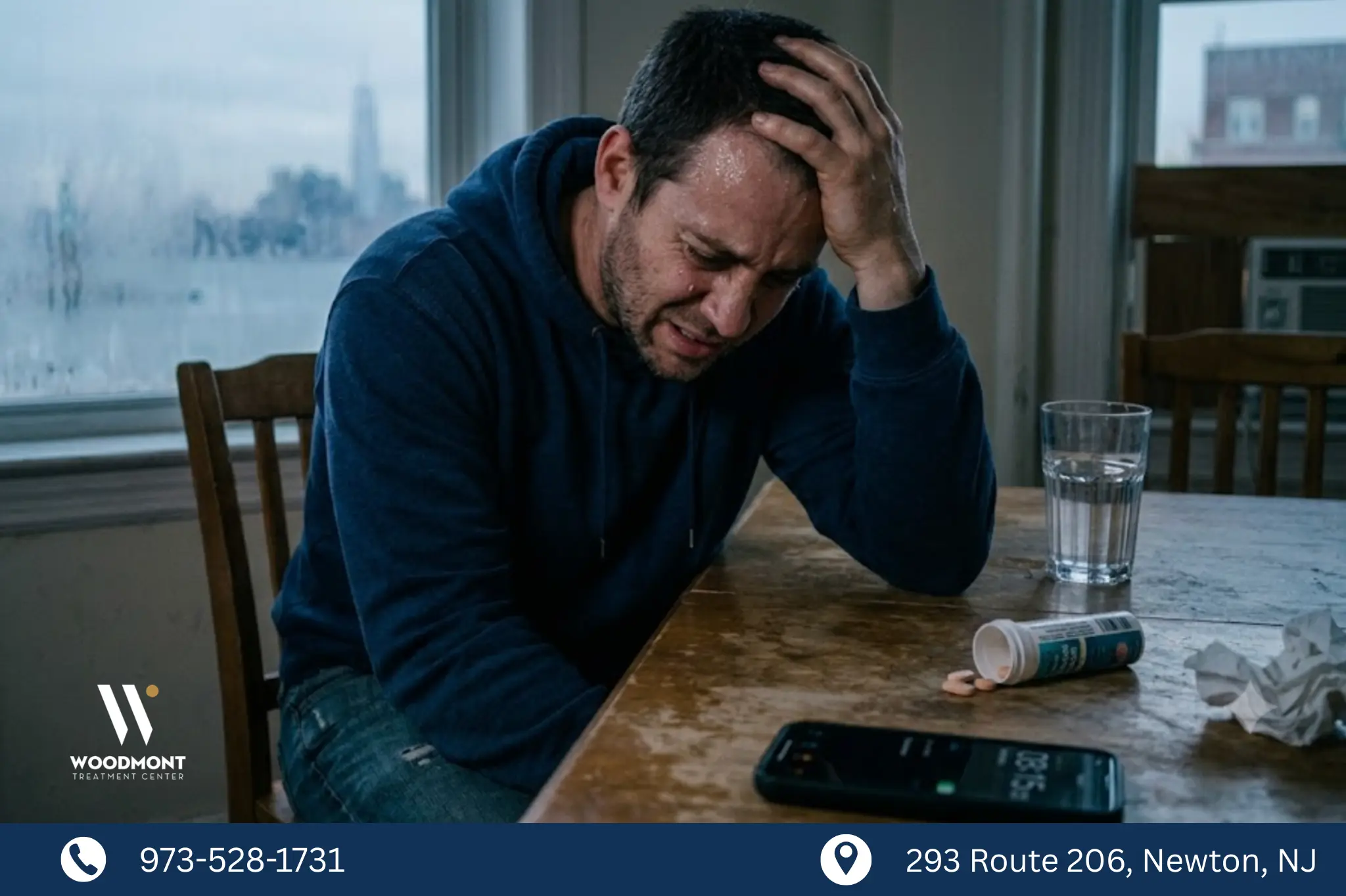
What Is Happening Inside Your Body?
During this stage:
- Blood pressure may begin rising.
- Heart rate often increases.
- Stress hormones become elevated.
- The nervous system becomes overactive.
Although symptoms may seem manageable, this is when professional evaluation is recommended for individuals with heavy alcohol use.
Can You Stop the Timeline Once It Starts?
This is one of the most common questions treatment professionals hear.
The answer is:
Not without medical intervention.
Once withdrawal begins, symptoms generally follow their natural progression.
Medical detox doesn’t instantly stop withdrawal, but it can help:
- Reduce symptom severity
- Lower seizure risk
- Monitor vital signs
- Improve comfort
- Respond quickly if complications develop
Learn more about Woodmont’s medically supervised Alcohol Detox Program
12–24 Hours: Symptoms Become More Noticeable
By the end of the first day, withdrawal symptoms often intensify.
People may experience:
- Increased shaking
- Significant sweating
- Elevated blood pressure
- Rapid heartbeat
- Irritability
- Vomiting
- Difficulty concentrating
- Poor sleep
Some individuals describe this stage as feeling like “the worst flu imaginable.”
Daily life experience
A 46-year-old New Jersey resident who has consumed alcohol daily for more than 12 years.
After deciding to quit without medical help, the first several hours seem manageable.
By that evening, they begin shaking uncontrollably.
They are unable to sleep.
Their heart races.
They begin vomiting repeatedly.
At this point, many people still believe they can “push through.”
Unfortunately, the most dangerous period hasn’t even begun.
Symptoms You Should Never Ignore
Regardless of where you are in the timeline, seek immediate medical attention if you experience:
- Seizures
- Hallucinations
- Severe confusion
- Chest pain
- Difficulty breathing
- Loss of consciousness
- Persistent vomiting
- Extremely high heart rate
These symptoms can indicate severe alcohol withdrawal requiring emergency medical care.
For a detailed explanation of why these symptoms can become life-threatening, read our guide:
Can Alcohol Withdrawal Kill You? Warning Signs You Should Never Ignore.
Alcohol Withdrawal vs. a Hangover
Many people confuse withdrawal with a hangover.
| Hangover | Alcohol Withdrawal |
|---|---|
| Occurs after occasional heavy drinking | Occurs after ongoing alcohol dependence |
| Usually improves with time | May worsen significantly |
| Headache and fatigue | Tremors, anxiety, seizures, hallucinations |
| Rarely requires medical care | May become a medical emergency |
If symptoms worsen instead of improving, you’re likely experiencing withdrawal rather than a hangover.
Alcohol Withdrawal Treatment in New Jersey
Across New Jersey, individuals and families face the challenges of alcohol dependence every day. While some attempt to stop drinking without support, medical detox provides a safer environment for managing withdrawal symptoms under professional supervision.
Seeking help early can reduce the risk of complications and create a smoother transition into ongoing addiction treatment and long-term recovery.
Don’t Wait Until Symptoms Become Severe
Many people delay seeking treatment because they hope withdrawal symptoms will improve on their own.
Unfortunately, severe alcohol withdrawal often develops 24 to 72 hours after the last drink—when complications can become much more dangerous.
If you or someone you love has started experiencing withdrawal symptoms, professional medical detox may provide the safest path forward.
Learn more about Woodmont Treatment Center’s alcohol detox program
24–48 Hours: When Withdrawal Can Become Dangerous
For many people, the second day of alcohol withdrawal is when symptoms become significantly more serious. Even if the first 24 hours felt manageable, this is not the time to assume the danger has passed.
During this stage, the brain and nervous system continue adjusting to the absence of alcohol. In some cases, the body becomes increasingly unstable.
Symptoms may include:
- Severe tremors
- Elevated blood pressure
- Increased heart rate
- Intense anxiety or panic
- Excessive sweating
- Persistent nausea and vomiting
- Visual, auditory, or tactile hallucinations
- Increased risk of withdrawal seizures
A seizure during alcohol withdrawal should always be treated as a medical emergency.
If symptoms are becoming more severe rather than improving, seeking immediate medical care can help prevent life-threatening complications.
48–72 Hours: The Highest-Risk Period
The third day is often considered the most dangerous phase of alcohol withdrawal.
Although not everyone develops severe complications, this is the window when Delirium Tremens (DTs) is most likely to occur.
Symptoms of Delirium Tremens
- Extreme confusion
- Hallucinations
- Severe agitation
- Fever
- Heavy sweating
- Very high blood pressure
- Rapid heartbeat
- Seizures
Delirium Tremens is a medical emergency that requires immediate treatment.
Without professional care, DTs can lead to serious complications involving the heart, lungs, and brain.
Who Is Most Likely to Experience Severe Withdrawal?
Not everyone experiences alcohol withdrawal in the same way.
Several factors increase the likelihood of severe symptoms.
| Risk Factor | Increased Risk |
|---|---|
| Drinking alcohol daily | High |
| Heavy drinking for several years | High |
| Previous alcohol withdrawal | High |
| Prior withdrawal seizures | Very High |
| Liver disease | Moderate to High |
| Heart disease | Moderate |
| Older age | Moderate |
| Multiple failed attempts to quit | High |
If one or more of these factors apply, professional medical detox is often the safest option.
Should You Go to the Emergency Room or a Detox Center?
Many people wonder where they should seek help.
The answer depends on the severity of symptoms.
| Symptom | Recommended Action |
|---|---|
| Mild anxiety and sweating | Contact a medical professional for evaluation |
| Shaking and vomiting | Seek urgent medical assessment |
| Hallucinations | Emergency medical care |
| Seizures | Call 911 immediately |
| Confusion or loss of consciousness | Emergency Room immediately |
| History of severe withdrawal | Professional medical detox before symptoms worsen |
When in doubt, it is always safer to seek medical evaluation rather than attempting to manage severe withdrawal alone.

What Happens During Medical Alcohol Detox?
One of the biggest reasons people delay treatment is fear of the unknown.
In reality, medical detox is designed to help individuals withdraw from alcohol in the safest and most comfortable way possible.
A typical detox program may include:
- Comprehensive medical assessment
- 24/7 monitoring
- Medication to help manage withdrawal symptoms when appropriate
- Hydration and nutritional support
- Mental health evaluation
- Individualized treatment planning
- Transition into ongoing addiction treatment
Rather than simply helping someone stop drinking, detox creates a safer foundation for long-term recovery.
Learn more about Woodmont’s Alcohol Detox Program:
When a Loved One Refuses Help
Family members are often the first to recognize that someone’s drinking has become dangerous.
You may notice:
- Drinking first thing in the morning
- Shaking before the first drink
- Hiding alcohol
- Multiple unsuccessful attempts to quit
- Mood changes
- Withdrawal symptoms between drinks
Unfortunately, many individuals don’t recognize how serious alcohol dependence has become.
In these situations, a professional intervention may help encourage treatment before a crisis occurs.
Learn more about Woodmont’s Intervention Services:
Alcohol Withdrawal Treatment in New Jersey
Every year, thousands of New Jersey families are affected by alcohol addiction.
Many people attempt to quit on their own because they fear judgment or believe they should be able to “push through” withdrawal.
The reality is that alcohol withdrawal is a medical condition—not a lack of willpower.
For individuals throughout Northern New Jersey, Sussex County, and the surrounding Tri-State Area, seeking professional treatment early may reduce the risk of complications while improving the chances of long-term recovery.
Does Insurance Cover Alcohol Detox?
Cost is one of the most common concerns for individuals considering treatment.
Fortunately, many commercial insurance plans provide coverage for alcohol detox and addiction treatment.
Before making assumptions about out-of-pocket expenses, it’s worth checking your benefits.
You can securely verify your insurance here
Frequently Asked Questions (FAQs)
Q How long does alcohol withdrawal usually last?
Most withdrawal symptoms begin within 6–12 hours after the last drink, peak between 24–72 hours, and gradually improve over several days. Some people may experience lingering symptoms for weeks.
Q What is the worst day of alcohol withdrawal?
For many individuals, the period between 48 and 72 hours carries the greatest risk of severe complications such as seizures and Delirium Tremens.
Q Can alcohol withdrawal start the next day?
Yes. Symptoms commonly begin within the first 6–12 hours, but some individuals notice more significant symptoms the following day.
Q Can alcohol withdrawal cause hallucinations?
Yes. Hallucinations may occur during moderate to severe withdrawal and should always be evaluated by a medical professional.
Q Can alcohol withdrawal cause seizures?
Yes. Withdrawal seizures are one of the most serious complications of alcohol dependence and require immediate emergency care.
Q Is it safe to detox from alcohol at home?
Some individuals experience mild withdrawal, but there is no reliable way to predict who will develop severe symptoms. Anyone with significant alcohol dependence should speak with a healthcare professional before attempting detox.
Q How do I know if I need medical detox?
If you have experienced withdrawal symptoms before, drink heavily every day, or have a history of seizures or medical conditions, medical detox may be the safest option.
Q Is detox the same as rehab?
No. Detox focuses on helping the body safely withdraw from alcohol, while rehab addresses the underlying causes of addiction and provides therapy, relapse prevention, and long-term recovery planning.
Why Starting Treatment Early Matters
One of the biggest mistakes people make is waiting until symptoms become unbearable.
Unfortunately, severe alcohol withdrawal often develops after someone believes they are “through the worst of it.”
Early medical evaluation can help identify risk factors before complications occur.
If you’re unsure whether your symptoms are becoming dangerous, you may also find it helpful to read:
Can Alcohol Withdrawal Kill You? Warning Signs You Should Never Ignore.
(Internal link to Blog #1.)
Begin Recovery with the Woodmont Promise
Choosing treatment isn’t just about getting through withdrawal—it’s about building a healthier future.
At Woodmont Treatment Center, every person who walks through our doors is treated with compassion, dignity, and an individualized plan for recovery.
Our commitment to personalized care is reflected in the Woodmont Promise, which emphasizes evidence-based treatment, respect, and long-term support for every client.
Learn more about the Woodmont Promise:
Take the First Step Before Withdrawal Becomes a Medical Emergency
Whether you’re worried about your own drinking or concerned about someone you love, you don’t have to navigate alcohol withdrawal alone.
Professional medical detox can provide a safer, more comfortable environment while reducing the risk of serious complications.
If you’re considering treatment, verifying your insurance takes only a few minutes and may help you better understand your available options.
Verify Your Insurance Today:
The sooner you seek help, the sooner recovery can begin.