





Alcohol Rehab in Hudson County NJ: What You Need to Know
Alcohol Rehab in Hudson County NJ is available through a range of programs — from medical detox and inpatient residential care to outpatient and intensive outpatient (IOP) options — designed to meet you wherever you are in your recovery journey.
Quick overview of your main options:
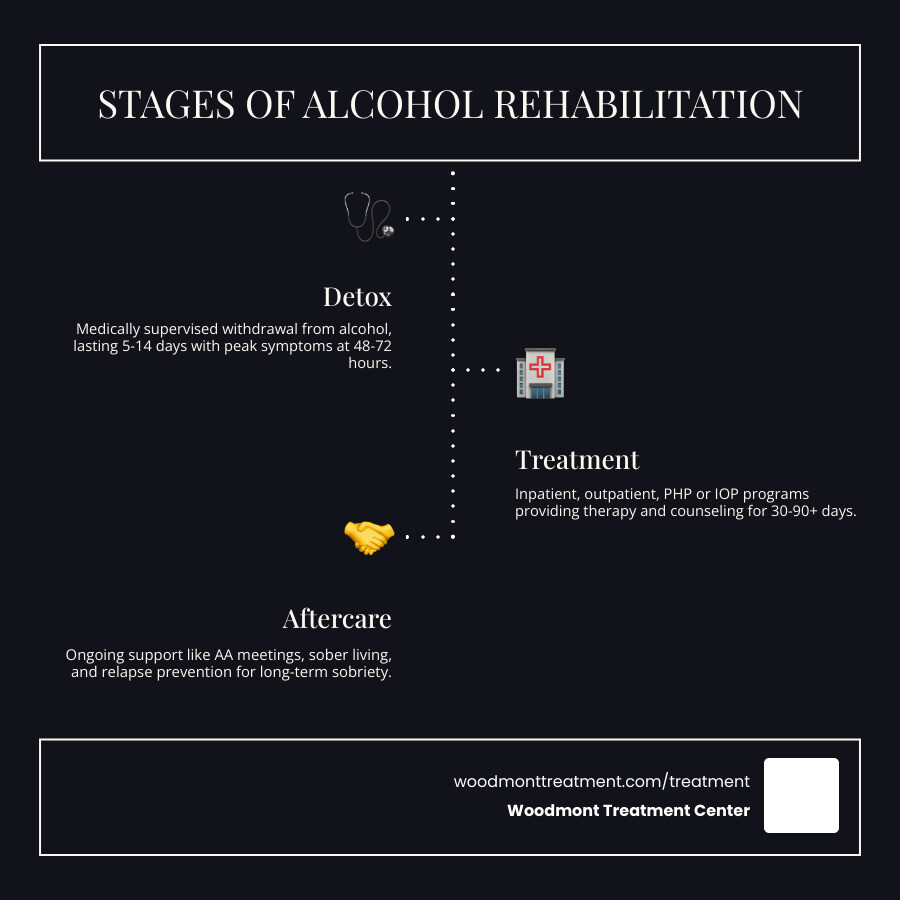
- Medical Detox – Supervised withdrawal, typically 5-14 days
- Inpatient/Residential – 24/7 structured care, 30-90+ days
- Partial Hospitalization (PHP) – Intensive daily treatment, return home at night
- Intensive Outpatient (IOP) – Flexible therapy sessions, keep daily routines
- Outpatient (OP) – Lower-intensity ongoing support
Most programs accept Medicaid, and 72% of people admitted to Hudson County rehab centers use Medicaid coverage — so cost should not stop you from getting help.
Hudson County is facing a serious alcohol and substance misuse crisis. According to local data, alcohol accounts for 26% of all substance abuse treatment admissions in the county. One in 10 residents reported misusing substances in 2019 alone.
If you or someone you love is struggling, you are not alone — and real, accessible help is close by.
Must-know Alcohol Rehab in Hudson County NJ terms:
- Alcohol Rehab in Bergen County NJ
- Alcohol Rehab in Essex County
- Drug and Alcohol Detox Morris County New Jersey
The Impact of Alcohol Misuse in Hudson County

When we look at the landscape of Hudson County—from the bustling streets of Jersey City to the residential neighborhoods of Bayonne—the reality of alcohol addiction is impossible to ignore. It isn’t just a personal struggle; it is a community-wide health priority. Research shows that 12% of deaths in Hudson County can be attributed to drug overdoses, with alcohol playing a significant role in poly-substance abuse issues.
The statistics tell a sobering story. In 2019, one in ten residents reported misusing substances, including alcohol. By the year ending August 2021, alcohol accounted for 26% of all substance abuse admissions in the county. Perhaps most startling are the demographic trends:
- Adolescents: Among those under 18, young women abuse alcohol at significantly higher rates than young men (75% female vs. 25% male).
- Young Adults: The trend flips in the 18-24 age bracket, where men account for 59% of alcohol misuse cases.
- Overdose Rates: Accidental overdose deaths in the area rose by 63% between 2016 and 2020, frequently involving alcohol in combination with other substances.
We see these numbers not just as data points, but as neighbors, friends, and family members who need a pathway back to health. The high admission rate for substance use treatment in Hudson County—which is slightly higher than the New Jersey state average—highlights both the severity of the problem and the active efforts of residents to seek help.
Types of Alcohol Rehab in Hudson County NJ
Finding the right level of care is the most critical step in ensuring long-term success. Recovery is not a “one size fits all” process. In Hudson County, we utilize a spectrum of care that allows for a seamless transition from acute crisis management to long-term sobriety.
Medical Detox and Withdrawal Management
For many, the first step is medical detoxification. This is a 24/7 supervised process where medical professionals manage the physical symptoms of withdrawal. Alcohol withdrawal can be dangerous, with symptoms ranging from tremors and anxiety to severe risks like seizures or high blood pressure.
The “peak” of withdrawal usually occurs within the first 48 to 72 hours. During this time, medications like benzodiazepines may be used to ensure safety and comfort. A typical detox stay in the area lasts between 5 and 14 days, providing a stable foundation before transitioning into further therapy.
Comparing Levels of Care
Choosing between inpatient and outpatient care depends on your medical history, the severity of the addiction, and your home environment.
| Feature | Inpatient/Residential | Outpatient (OP/IOP/PHP) |
|---|---|---|
| Housing | Live-in facility | Live at home |
| Supervision | 24/7 Medical/Clinical | Scheduled sessions |
| Intensity | High; full-time focus | Moderate to High; flexible |
| Best For | Severe addiction; unstable home | Mild-Moderate; working adults |
| Cost | Generally higher | Generally more affordable |
Partial Hospitalization (PHP) and Intensive Outpatient (IOP)
If you require intensive therapy but have a supportive home environment, PHP or IOP might be the best fit.
- PHP: Often described as “day treatment,” you spend the majority of your day at the facility receiving therapy and medical check-ins but return home at night.
- IOP: This accounts for about 19% of treatment levels received in Hudson County. It typically involves 9–15 hours of therapy per week, allowing you to maintain work or school commitments.
To learn more about how these programs work together, you can explore more info about treatment services.
Selecting the Best Alcohol Rehab in Hudson County NJ
When we evaluate facilities, we look for “gold standard” markers of quality. You should ensure any center you choose meets these criteria:
- Accreditation: Look for the Joint Commission or CARF (Commission on Accreditation of Rehabilitation Facilities) seals.
- Staff-to-Patient Ratio: Smaller ratios mean more individualized attention.
- Evidence-Based Therapy: Programs should offer Cognitive Behavioral Therapy (CBT), Dialectical Behavior Therapy (DBT), and other proven modalities.
- Holistic Options: True healing involves the whole person—mind, body, and spirit. We believe in incorporating nutrition, fitness, and mindfulness alongside clinical care.
Specialized Alcohol Rehab in Hudson County NJ
We recognize that certain populations face unique challenges. Specialized programs in the area include:
- Dual Diagnosis: Addressing co-occurring mental health issues like depression or anxiety alongside alcohol use.
- Veterans Programs: Tailored support for those who have served, often focusing on PTSD and transition stress.
- Gender-Specific Care: Programs that allow men or women to recover in a space tailored to their specific social and biological needs.
- Trauma-Informed Therapy: Essential for those whose addiction stems from past traumatic experiences.
Identifying Leading Treatment Facilities and Community Resources
Hudson County is home to a robust network of both private and non-profit resources. For those in immediate need, Jersey City and the surrounding areas offer several non-profit options that focus on underserved populations. These facilities often provide walk-in services and medication-assisted treatment (MAT) using medications like Naltrexone or Vivitrol to reduce cravings.
Community-based anti-addiction coalitions are also very active here. The New Jersey Governor’s Council on Alcoholism and Drug Abuse (GCADA) provides significant funding to Hudson County—over $76,000 annually—to support local education and prevention efforts. This ensures that even beyond the walls of a rehab center, there is a “safety net” of community support.
Costs, Insurance, and Legal Protections for Recovery
One of the biggest hurdles to seeking help is the fear of the price tag. However, Hudson County has made significant strides in making Alcohol Rehab in Hudson County NJ accessible to everyone.
Insurance and Medicaid
The data shows that 72% of individuals admitted to local rehab centers use Medicaid. This is a vital resource that often covers the bulk of treatment costs, including detox and outpatient services. Private insurance is also widely accepted. Providers like Blue Cross Blue Shield, Aetna, Cigna, and United Healthcare typically offer comprehensive coverage for substance abuse treatment under the Mental Health Parity and Addiction Equity Act.
To find out exactly what your plan covers without any guesswork, you can verify your insurance coverage through our secure portal.
Legal Protections in New Jersey
New Jersey has some of the strongest legal protections in the country for those seeking recovery:
- NJ Overdose Prevention Act / Good Samaritan Law: This protects you from arrest or prosecution for drug possession when you call 911 to report an overdose (including alcohol-related emergencies).
- Earned Sick Leave: In NJ, you can use your accrued sick leave for medical and mental health treatment, which includes attending rehab or therapy sessions.
- Sliding Scale Fees: Many local non-profits offer fees based on your income, ensuring that no one is turned away due to an inability to pay.
Frequently Asked Questions about Alcohol Rehab
How long does the alcohol detox process typically take?
The detox process generally lasts between 5 and 14 days. The most intense physical withdrawal symptoms usually peak within the first 48 to 72 hours. During this window, medical supervision is essential to monitor vital signs and manage symptoms. In a professional setting, we often use medications like benzodiazepines to prevent complications and ensure the patient remains stable.
Does NJ Medicaid cover the cost of alcohol rehab?
Yes, NJ Medicaid is a primary payer for addiction services in Hudson County, covering 72% of admissions. While coverage is extensive, it is important to check if a specific facility is “in-network” with Medicaid. Some programs may require small co-payments, but for many residents, the cost is largely or entirely covered.
What support resources exist in Hudson County after rehab?
Recovery doesn’t end when you leave a facility. Hudson County has a vibrant “sober scene” and numerous resources:
- AA/NA Meetings: There are dozens of meetings daily across Jersey City, Hoboken, and Bayonne.
- Sober Living: Structured residences that provide a drug-free environment for those transitioning back to independent living.
- Aftercare Planning: We emphasize personalized aftercare, which includes ongoing individual therapy and relapse prevention groups to help with community reintegration.
Conclusion
Seeking help for alcohol addiction is a brave and life-changing decision. While the statistics in Hudson County show a significant challenge, they also show a community that is actively fighting back and finding success. Recovery isn’t just about stopping a habit; it’s about starting a new chapter of personal greatness.
At Woodmont Treatment Center, we believe that recovery should be an empowering experience, not a “drag.” By combining clinical excellence with a compassionate, holistic approach, we help our neighbors in Hudson and Sussex Counties build a foundation for long-term sobriety. You don’t have to feel stuck or alone anymore.
If you are ready to take that first step, we are here to guide you through the admissions process. Your new life is waiting, and it starts with a single phone call.