





Many people do not start using substances for fun. They start because something hurts.
Stress builds quietly. Trauma stays hidden. At first a drink, pill, or drug may seem like relief. It slows racing thoughts, softens painful memories, or helps someone sleep. For a moment the mind feels calmer. Over time that relief becomes a pattern, and the pattern becomes dependence.
Understanding the connection between emotional pain and substance use helps remove shame. Addiction often begins as an attempt to cope. Substance use therapy focuses on treating the pain underneath so healing can truly happen.
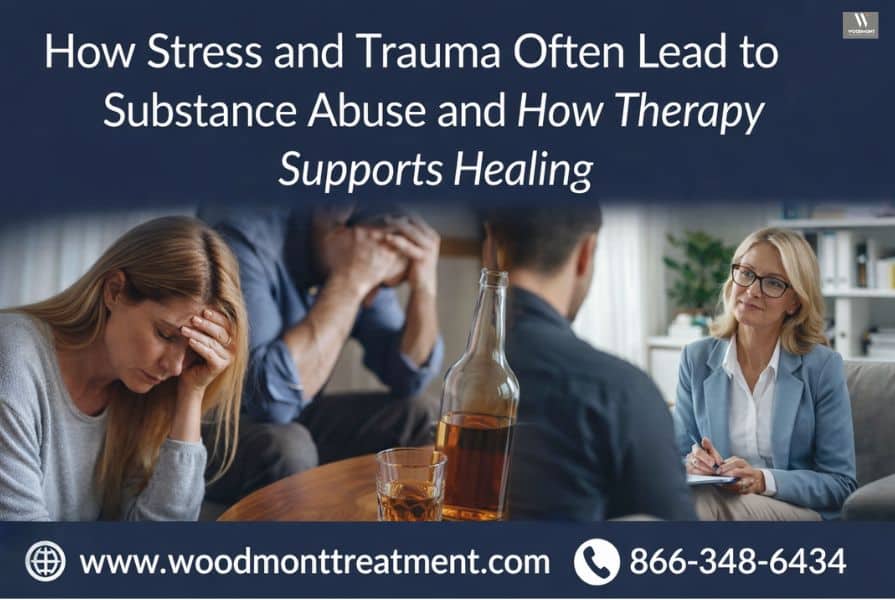
The Link Between Emotional Pain and Substance Use
Stress and trauma affect the body and brain in powerful ways. When a person experiences ongoing pressure or a disturbing event, the nervous system remains on high alert.
Common sources include:
- Childhood neglect or abuse
- Loss of a loved one
- Relationship conflict
- Work pressure
- Accidents or medical events
- Long term anxiety or fear
The brain reacts by increasing stress hormones. Sleep becomes difficult. Concentration weakens. The body feels tense and restless.
Substances can temporarily change these sensations. Alcohol may quiet thoughts. Opioids may numb emotional pain. Stimulants may create energy when exhaustion takes over.
Relief feels immediate. That quick relief is what reinforces repeated use.
Why Trauma Makes People More Vulnerable?
Trauma affects memory and emotional processing. The brain stores frightening experiences in a way that makes them feel present even long after they end.
People may experience:
- Flashbacks
- Nightmares
- Irritability
- Emotional numbness
- Sudden fear without clear reason
When these reactions appear, the mind searches for escape. Substances can silence those reactions briefly. The person learns that using something stops the emotional storm faster than waiting for it to pass.
This does not mean they want addiction. It means they found the fastest relief available.

The Cycle That Forms
Substance use creates a repeating loop.
- Stress or memory triggers discomfort
- The person uses a substance
- Relief appears temporarily
- The brain remembers the relief
- The next trigger feels stronger
Over time, tolerance grows. The person needs more to feel the same effect. Meanwhile the original emotional pain remains untreated and often worsens.
Many individuals feel confused because they know substances create problems, yet they still feel pulled toward them. The brain has linked survival with use, even though it is harmful in the long run.
How Stress Changes the Brain?
Long term stress reduces the brain’s ability to regulate emotions. The thinking part of the brain becomes less active while the survival center becomes more reactive.
This leads to:
- Impulsive decisions
- Strong cravings
- Difficulty planning
- Trouble calming down
Without support, the person keeps reacting instead of responding. Substance use becomes automatic rather than intentional.
Healing requires calming the nervous system and strengthening emotional regulation skills. This is where therapy plays a central role.
How Therapy Addresses the Root Cause?
Stopping substance use alone does not resolve the underlying distress. Therapy helps individuals understand why they relied on substances and teaches healthier ways to cope.
Creating Safety
The first step is establishing a space where people can speak openly without judgment. Many individuals have never discussed their experiences before. Being heard reduces emotional pressure.
Understanding Triggers
Therapists help identify what situations, memories, or feelings lead to urges. Once recognized, triggers become manageable instead of overwhelming.
Processing Trauma
Talking through painful memories in a guided and gradual way helps the brain reprocess them. The memory stops feeling immediate and begins to feel like the past.
Learning Coping Skills
People practice practical tools such as breathing exercises, grounding techniques, communication skills, and emotional awareness. These replace the need for substances during distress.
Rebuilding Confidence
As coping improves, individuals regain trust in themselves. Confidence reduces cravings because relief no longer depends on external substances.
Overcome Stress-Driven Addiction Today
Stress-driven addiction can take hold when pressure, trauma, or daily struggles feel overwhelming. The right support helps you understand the root causes behind substance use and build healthier coping skills. With compassionate care and guidance, you can regain control, restore balance, and move toward a stronger, more stable future.
Get Started NowThe Role of Consistent Support
Healing from trauma takes time. Some days feel calm while others feel heavy. Consistent support prevents setbacks from turning into relapse.
Therapy also helps repair relationships affected by addiction. Family sessions and group discussions create understanding and accountability. Many people find comfort in realizing others share similar struggles.
Support turns recovery into a shared journey rather than a private battle.
Relearning Calm Without Substances
One of the most powerful moments in recovery happens when a person experiences stress but handles it differently.
They pause, breathe, talk, or step away instead of using. The brain slowly learns that safety can exist without substances.
Over time:
- Sleep improves
- Emotional reactions soften
- Focus returns
- Daily routines stabilize
Life does not become free of challenges, but challenges stop controlling behavior.
Why Early Treatment Matters?
Untreated trauma often deepens substance dependence. The longer emotional pain goes unaddressed, the stronger the coping habit becomes.
Early therapy shortens the cycle. People begin healing before substance use becomes the primary coping method. Even long term addiction can improve significantly when emotional wounds are treated directly.
Recovery becomes more than stopping use. It becomes rebuilding a sense of peace.
Conclusion
Substance abuse rarely appears without a reason. Stress and trauma often sit beneath the surface, shaping behavior and choices. When those experiences are understood and processed, the need for escape decreases.
Therapy offers a path where individuals learn to feel safe in their own thoughts again. With the right support, coping becomes healthier and life feels manageable.
If you or someone close to you is struggling, the caring professionals at Wood Mont Treatment provide compassionate guidance focused on emotional healing and lasting recovery. Reach out today and take a meaningful step toward stability and relief.
Frequently Asked Questions
1. Does trauma always lead to addiction?
No, but untreated trauma increases risk because substances can temporarily reduce emotional distress.
2. Can therapy help even after years of substance use?
Yes. The brain can adapt and heal at any stage with consistent support and treatment.
3. What if I do not remember my trauma clearly?
Therapy does not require perfect memory. It focuses on current reactions and emotions connected to past experiences.
4. How long does trauma therapy take?
The timeline varies for each person. Some notice improvement quickly while deeper healing continues over time.
5. Is medication always required along with therapy?
Not always. Some people benefit from therapy alone while others may use medication as part of a broader treatment plan.