



Finding the Right Rehab Centers in New Jersey: What You Need to Know
Rehab centers in New Jersey offer a wide range of addiction treatment options — from medically supervised detox to long-term residential care and flexible outpatient programs. If you need a quick answer, here are the most trusted types of facilities and what they offer:
Top-Rated NJ Rehab Options at a Glance:
| Level of Care | Best For | Typical Duration |
|---|---|---|
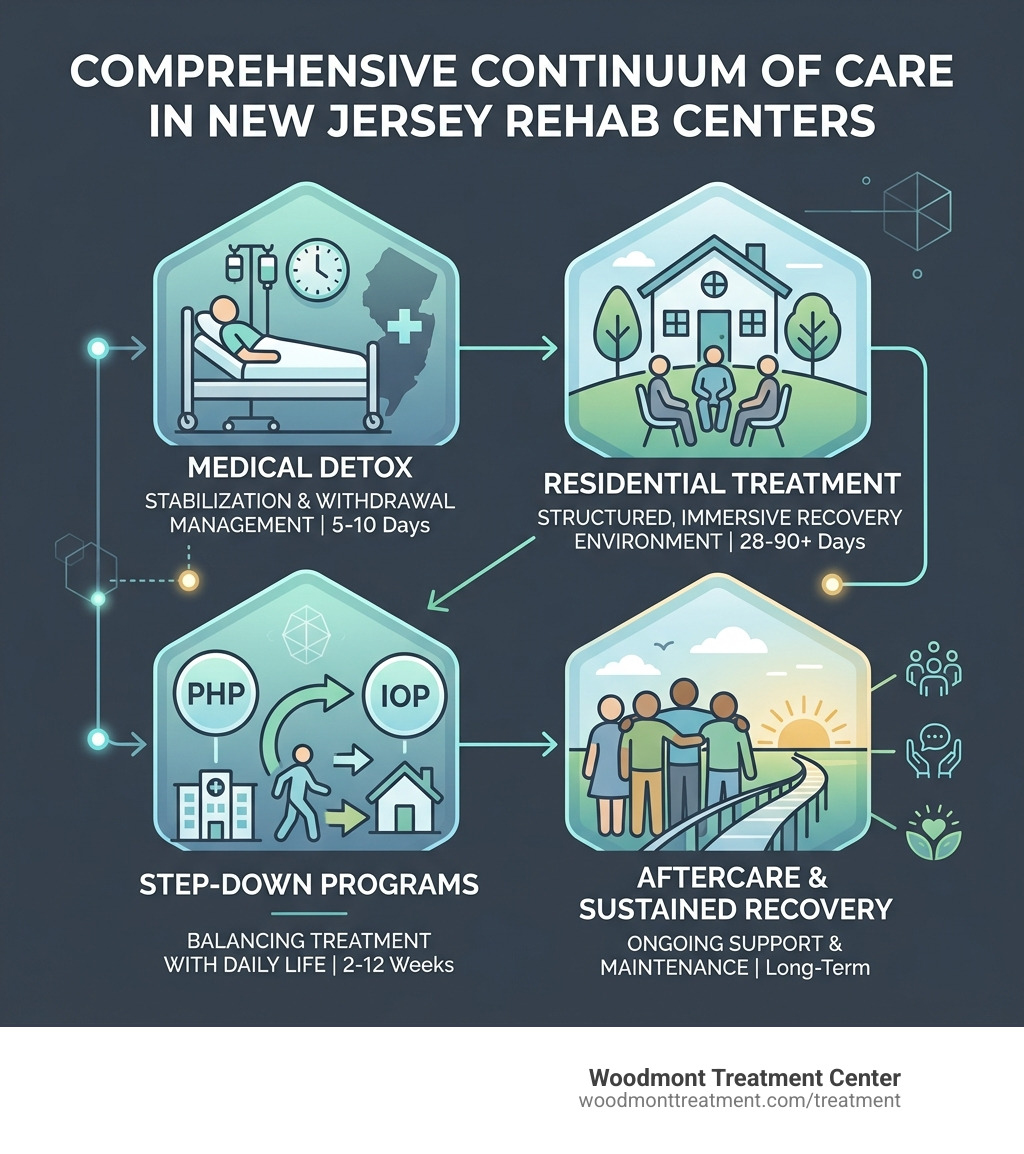
| Medical Detox | Safe withdrawal management | 5-10 days |
| Residential/Inpatient | Structured, immersive recovery | 28-90+ days |
| Partial Hospitalization (PHP) | Step-down from inpatient | 2-4 weeks |
| Intensive Outpatient (IOP) | Balancing life and treatment | 6-12 weeks |
| Standard Outpatient | Ongoing support and maintenance | Ongoing |
New Jersey has a serious and well-documented substance use crisis. Nearly 100,000 Americans die each year from overdoses, and in 2021, New Jersey was among just 10 states responsible for over 64% of all U.S. substance use treatment admissions. That’s a striking number — and it reflects just how many families across the state are quietly fighting this battle.
The good news? New Jersey has 554 evaluated rehab centers, giving people real choices for quality care. Whether you’re dealing with opioid dependence, alcohol addiction, or a co-occurring mental health condition, there is a path forward.
At Woodmont Treatment Center, we believe recovery isn’t just about stopping substance use — it’s about rebuilding a life worth living. Located in the peaceful surroundings of Sussex and Warren County, Woodmont offers a warm, non-hospital environment where healing happens on every level: physical, emotional, and spiritual.
This guide walks you through everything you need to know about finding the right care in New Jersey — from understanding levels of treatment to navigating insurance, costs, and admissions.
Essential rehab centers new jersey terms:
- Benzodiazepine Detox Facility New Jersey
- Opioid Detox in New Jersey
- Drug and Alcohol Detox in Sussex County NJ
Navigating the Landscape of Healing in New Jersey
When you first start looking for help, the sheer number of options can feel overwhelming. As of April 2026, our research indicates there are 339 active substance use treatment facilities across the Garden State. These aren’t just clinical buildings; they represent a diverse ecosystem of care designed to meet people exactly where they are.
The statistics tell a story of both a great need and a robust response. While New Jersey accounted for a massive 64% of national treatment admissions alongside nine other states in 2021, the infrastructure has grown to accommodate this. Of the 339 facilities, 295 offer outpatient services, 51 provide residential care, and 10 offer specialized 24-hour inpatient hospital care.
Understanding which of these “buckets” you or your loved one fits into is the first step toward a successful outcome.
| Structure | Best Environment | Key Benefit |
|---|---|---|
| Residential | 24/7 supervised living | Total immersion away from triggers |
| Outpatient | Living at home | Maintaining work/family schedules |
| Inpatient Hospital | Medical facility | High-intensity medical stabilization |
Regional Excellence in Sussex and Warren County: A Focus on Community and Care
While help is available statewide, there is something truly special about the recovery community in Northern New Jersey. In places like Newton and Andover, the focus isn’t just on clinical numbers; it’s on neighborly support. We see this in the robust community resources available in Sussex County, where local groups and Alcohol & Drug Rehabs in Newton, New Jersey – Addictions provide a safety net for those in early recovery.
In Warren County, the Addiction Services Programs | Warren County, NJ offer a blueprint for how local government and private care can work together. This regional approach ensures that residents aren’t just “sent away” to rehab, but are instead integrated into a local culture of wellness.
Woodmont Treatment Center stands as the premier facility in this region. We’ve purposely chosen locations in Sussex and Warren County because we believe the natural beauty of the Highlands and the quiet, serene environment of the Andover and Newton areas are vital to the healing process. We offer unparalleled care that avoids the cold, “institutional” feel of city hospitals, focusing instead on a warm, therapeutic community.
Specialized Support for Women and Adolescents: Nurturing Unique Paths to Recovery
Addiction doesn’t affect everyone the same way. Men, women, and teenagers often face very different social pressures and biological hurdles. New Jersey recognizes this, offering 227 treatment facilities with specialized programs for women and 81 facilities dedicated to adolescents.
For women, trauma-informed care is often a cornerstone of recovery, as many women struggling with substance use have histories of domestic or emotional trauma. Adolescent programs, on the other hand, focus heavily on developmental milestones and family integration. We know that if a teenager goes back to a home environment that hasn’t changed, the risk of relapse is high. That’s why top rehab centers new jersey prioritize bringing the whole family into the healing circle.
Comprehensive Levels of Care for Lasting Sobriety: Your Path to Wellness
Recovery is a marathon, not a sprint. To cross the finish line, you need a plan that evolves as you get stronger. In New Jersey, the “Continuum of Care” refers to the different stages of treatment that help a person transition from active addiction to independent, sober living.
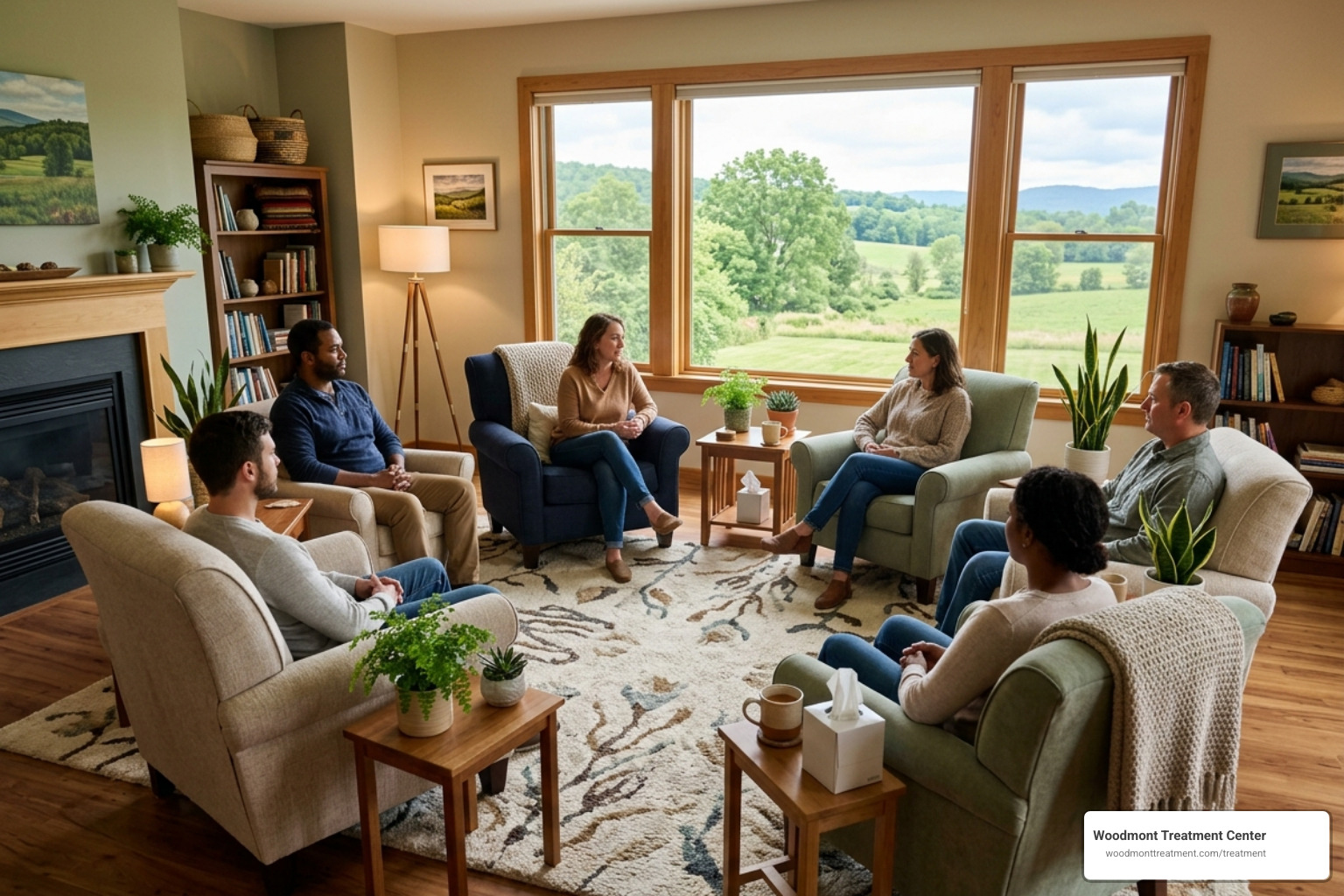
Whether you are looking at Drug & Alcohol Rehabs in New Jersey – Recovery.com or local Sussex resources, you’ll find that the most successful programs use evidence-based protocols. This means using therapies that have been scientifically proven to work, rather than just “hoping for the best.” At Woodmont Treatment Center, we take these protocols and weave them into a personalized wellness plan that addresses your specific history with substances like alcohol, opioids, or prescription drugs.
For more information on how these stages fit together, you can explore the addiction treatment services at Woodmont Treatment Center.
The Foundational Importance of Detox at Premier New Jersey Rehab Centers
You cannot build a house on a shaky foundation, and you cannot start deep psychological work while your body is still screaming for a substance. This is why medical detox is the non-negotiable first step for many.
Medical stabilization involves 24/7 clinical monitoring. Withdrawal from substances like alcohol or benzodiazepines can be physically dangerous—even life-threatening—without professional supervision. Our approach at Woodmont Treatment Center is “safety first,” but in a way that feels nurturing. We reject the “cold clinic” vibe. Instead, we provide a secure, non-hospital environment where you can detox with dignity, managed by a team that understands the discomfort you’re feeling and knows exactly how to ease it.
Transitioning Seamlessly to Residential and Outpatient Care
Once the “fog” of detox clears, the real work begins. For many, this means a 28 to 30-day residential stay. This is a period of “re-learning” how to live. You wake up, eat organic meals, attend therapy, and reconnect with yourself.
However, not everyone can step away from their life for a month. This is where Partial Hospitalization Programs (PHP) and Intensive Outpatient Programs (IOP) come in.
- PHP acts as a middle ground, offering high-level care during the day while allowing for more flexibility.
- IOP typically involves 9 to 15 hours of therapy per week, making it ideal for those who have completed residential care or those with strong home support who need to keep working.
Specialized Therapies and Evidence-Based Modalities: A Holistic Approach to Healing
In April 2026, the standard for “good” rehab has shifted. It’s no longer enough to just sit in a circle and talk. Modern rehab centers new jersey utilize a blend of high-tech clinical interventions and “high-touch” holistic practices.
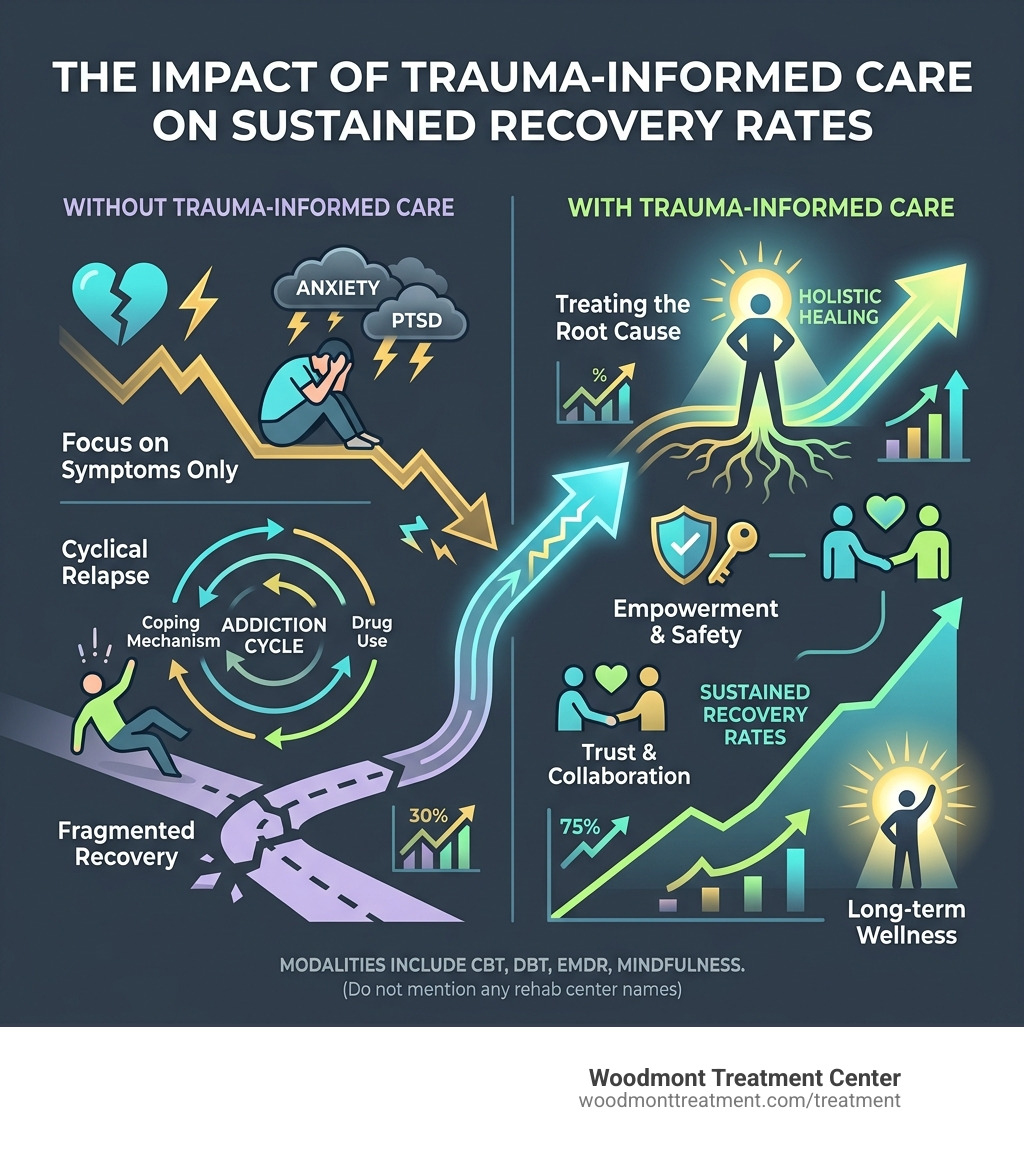
At the heart of this is the treatment of dual diagnosis. We know that about half of the people struggling with addiction also have an underlying mental health condition like depression, anxiety, or PTSD. If you only treat the drinking but ignore the depression, the drinking will eventually return.
We utilize several key modalities:
- Cognitive Behavioral Therapy (CBT): Helping you identify and change the thought patterns that lead to drug use.
- Dialectical Behavior Therapy (DBT): Teaching emotional regulation and distress tolerance.
- EMDR (Eye Movement Desensitization and Reprocessing): A specialized therapy for resolving deep-seated trauma.
- Holistic Healing: This includes yoga, mindfulness, and organic nutrition to help the body heal from the inside out.
Tailored Programs for Veterans and First Responders: Honoring Service, Fostering Healing
Our veterans and first responders (police, fire, EMS) carry a unique set of burdens. They see things most people can’t imagine, and often, they use substances to “numb” the resulting occupational trauma.
Specialized programs, sometimes called RESCU pathways, are designed specifically for these heroes. These programs focus on PTSD clinical interventions and peer-to-peer support. There is a powerful healing that happens when a veteran speaks to another veteran who “gets it.” We prioritize these specialized recovery mentors to ensure our service members feel seen and respected, not just “treated.”
Addressing Co-occurring Mental Health Disorders: Integrated Care for Wholeness
With 232 facilities in New Jersey equipped for dual-diagnosis treatment, the state is a leader in integrated care. This means your psychiatrist and your addiction counselor are on the same page, working from the same playbook. Whether it’s managing mood disorders or complex anxiety, the goal is wholeness. We don’t just want you “off drugs”; we want you feeling mentally vibrant and stable.
Understanding Costs and Insurance for Rehab Centers in New Jersey: Making Recovery Accessible
One of the biggest hurdles to getting help is the “How much will this cost?” question. We want to remove that barrier. Under the Affordable Care Act (ACA), addiction treatment is considered an essential health benefit. This means most insurance plans must cover it.
In New Jersey, the landscape of coverage is quite broad:
- 263 facilities accept private insurance (like Horizon BCBS, Aetna, Cigna, and UnitedHealthcare).
- 230 facilities accept Medicaid.
- 143 facilities accept Medicare.
Navigating these policies can be a headache, which is why we handle the heavy lifting for you. You can verify your insurance coverage today with Woodmont Treatment Center to get a clear picture of your benefits without any guesswork.
Navigating Payment Options and Financial Planning: Removing Barriers to Care
If you don’t have insurance, or if your plan has a high deductible, there are still options. Many rehab centers new jersey offer flexible self-pay structures or payment plans. Some non-profit organizations and state-funded resources also provide scholarships.
Furthermore, it’s important to know your rights. The Family and Medical Leave Act (FMLA) and the Americans with Disabilities Act (ADA) often provide job protection for individuals who take time off to seek addiction treatment. You shouldn’t have to choose between your career and your life.
The Admissions Process: Taking the Empowering First Step Towards Healing
The hardest part of recovery is often the first phone call. Once you make it, the process is designed to be smooth. It usually starts with a pre-screening over the phone to understand your medical needs, followed by a clinical assessment.
At Woodmont, we understand that when someone asks for help, they usually need it now. That’s why we offer options for same-day admissions and have 24/7 help lines available. We can even help arrange courtesy transportation to get you safely to our Sussex or Warren County locations. To get started, you can view the admissions process with Woodmont Treatment Center.
Frequently Asked Questions about New Jersey Addiction Treatment
How do I choose between inpatient and outpatient programs to best suit my needs?
The choice usually depends on the severity of the addiction and your home environment. If your home is full of triggers or if you have a high risk of dangerous withdrawal, inpatient (residential) is the safest bet. If you have a stable home life and need to maintain work or school, an outpatient program like IOP might be more appropriate. A clinical assessment is the best way to decide.
What essential items should I bring to a residential treatment facility for a comfortable stay?
Think “comfort and modesty.” Bring a week’s worth of comfortable clothing (gym clothes, hoodies, t-shirts), alcohol-free toiletries, and any current prescription medications in their original bottles. Most facilities ask you to leave electronics, valuables, and clothing with drug-related imagery at home.
Are there same-day admission options available for urgent care situations, and how do they work?
Yes! Many premier NJ centers, including Woodmont, prioritize urgent cases. You call the admissions line, complete a quick insurance verification and medical screening over the phone, and if there is a bed available, you can often start treatment within hours.
Conclusion
Finding the right rehab centers new jersey is a deeply personal journey, but you don’t have to walk it alone. From the specialized care available for veterans to the trauma-informed programs for women, New Jersey offers a world-class recovery infrastructure.
Woodmont Treatment Center stands as the premier facility in Sussex County and a beacon of excellence in Warren County. We offer a truly non-hospital environment, dedicated to personalized, holistic care that honors the individual. Our evidence-based detox programs provide a safe and compassionate start, leading into a residential sanctuary in Newton and Andover designed for profound healing. Committed to April 2026 wellness standards and beyond, Woodmont provides the unwavering support, expert clinical care, and serene environment necessary for a journey towards lifelong recovery. The first step is yours to take—we’ll be here for the rest.