




Choosing the Right Alcohol Rehab in Bergen County NJ
Alcohol Rehab in Bergen County NJ is something thousands of residents search for every year — and finding the right fit can feel overwhelming. According to the Substance Abuse and Mental Health Services Administration (SAMHSA), finding a licensed facility is the first step toward a successful recovery.
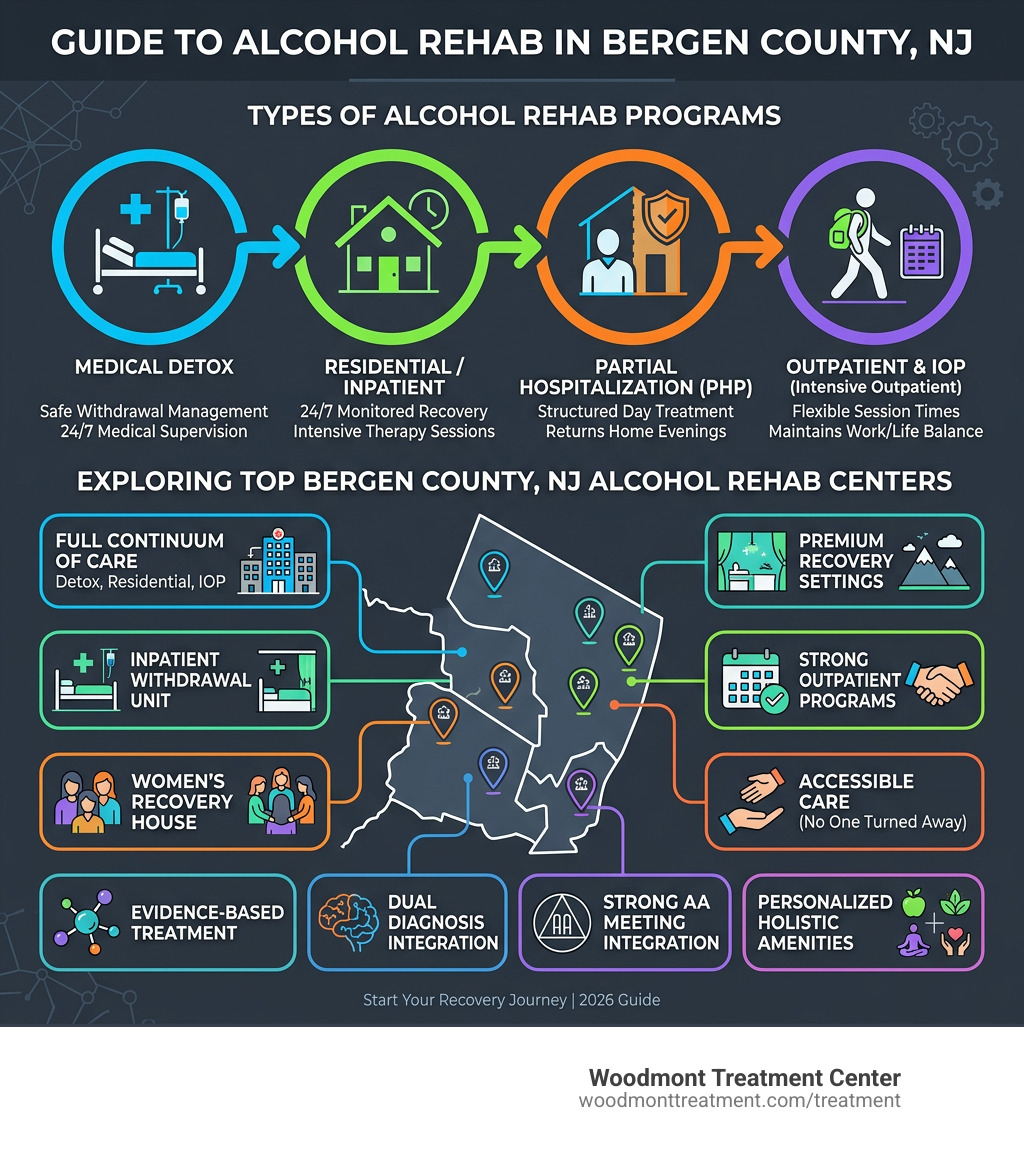
Here are the top alcohol rehab options available in Bergen County, NJ:
- Full Continuum Care Centers – Facilities offering detox, residential, and IOP services.
- Medical Withdrawal Units – Hospital-based detox lasting 5-7 days.
- Luxury Recovery Facilities – PHP and IOP programs in high-end settings.
- Clinical Detox Programs – Medical oversight for withdrawal management.
- Licensed Women’s Halfway Houses – Supportive recovery housing specifically for women.
- Public Addiction Recovery Programs – Outpatient and IOP services with financial assistance.
- Community-Focused Recovery Centers – Programs with extended post-treatment support and peer groups.
- Integrated Dual Diagnosis Services – Outpatient services with mental health integration.
- Evidence-Based Treatment Centers – Clinical programs with strong 12-step integration and aftercare.
- Woodmont Treatment Center – Personalized, evidence-based alcohol treatment with holistic and luxury amenities.
Alcohol addiction doesn’t just affect the person drinking. It strains relationships, harms physical health, and chips away at mental well-being. The good news: Bergen County has a strong network of treatment options — from medically supervised detox to long-term residential care — so you don’t have to face this alone.
Bergen County is one of the most AA-active regions in New Jersey, with over 150 weekly meetings across its 70 municipalities. Combined with its range of licensed clinical programs, the county offers real, accessible paths to lasting recovery.
This guide breaks down what’s available, how programs differ, and how to choose the right one for your situation.
Quick Alcohol Rehab in Bergen County NJ terms:
- Alcohol Rehab in Essex County
- Drug and Alcohol Detox Morris County New Jersey
- Drug and Alcohol Detox in Warren County NJ
Recognizing the Need for Professional Help
Identifying when “social drinking” has crossed the line into a substance use disorder is the first step toward reclaiming your life. Alcohol addiction is a threefold disease that impacts the physical, spiritual, and mental dimensions of a person. In Bergen County, we see many individuals who feel “stuck” or alone, believing they can stop on their own, only to find the physical pull of withdrawal too strong to overcome.
The signs that it is time to look into Alcohol Rehab in Bergen County NJ often include:
- Physical Symptoms: Shaking hands (tremors) in the morning, nausea, sweating, or experiencing a racing heart when not drinking.
- Loss of Control: Intending to have only one drink but finishing the bottle, or being unable to stop once you start.
- Behavioral Changes: Hiding alcohol, lying about how much you drink, or neglecting responsibilities at work or home to prioritize drinking.
- Relationship Strain: Frequent arguments with family members or friends regarding your alcohol consumption.
- Health Decline: Persistent fatigue, digestive issues, or changes in sleep patterns and appetite.
If you or a loved one are experiencing these symptoms, an intervention might be necessary. This isn’t about “ganging up” on someone; it’s about presenting a clear, compassionate path to health before a crisis occurs. Local treatment benefits in Bergen County include staying close to your support network while accessing some of the most advanced medical facilities in the state.
Types of Alcohol Treatment Programs Available
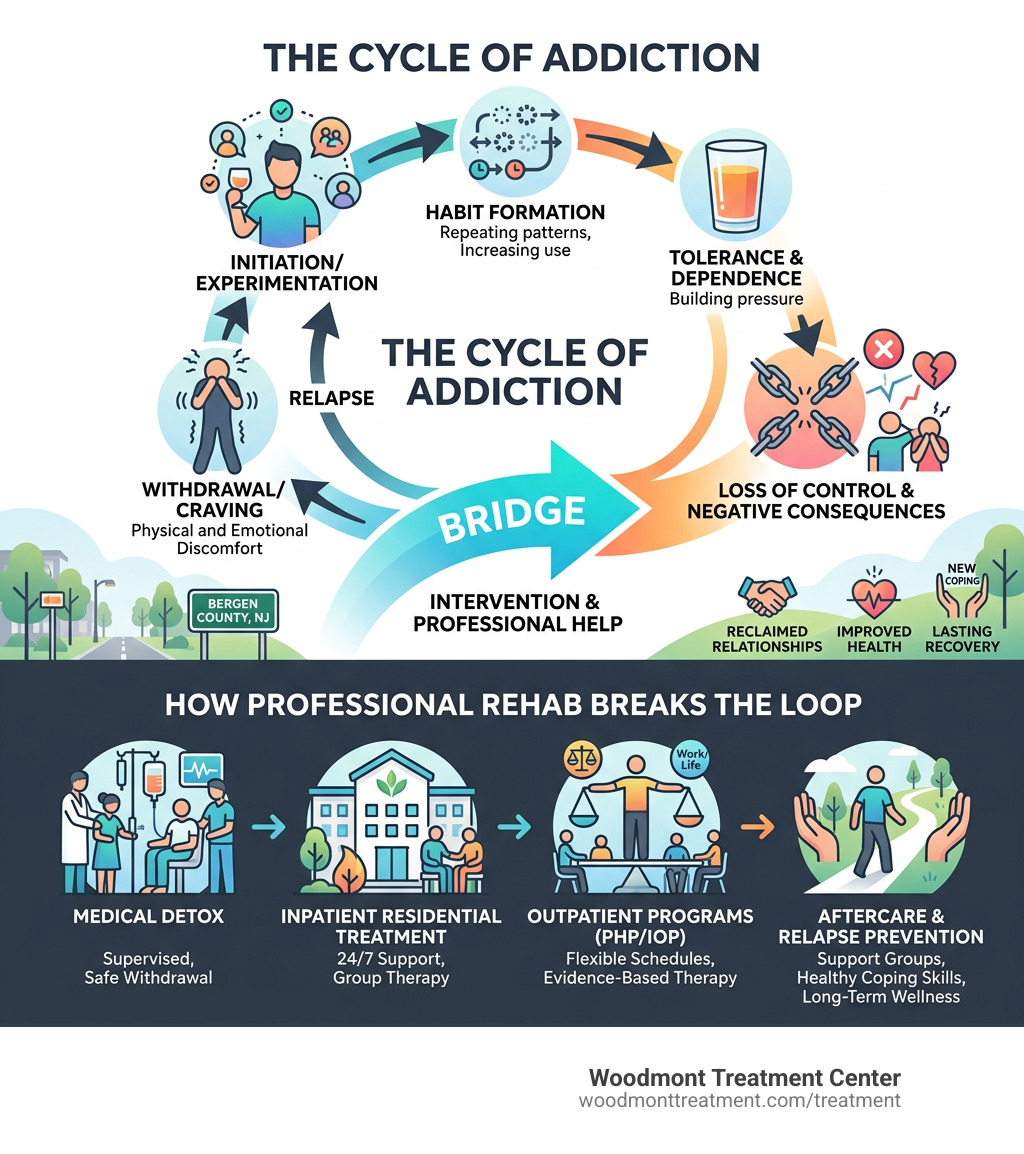
The journey to sobriety isn’t a “one size fits all” process. Depending on the severity of the addiction and your personal history, different levels of care are available within the Alcohol Rehab in Bergen County NJ landscape.
Medical Detox and Withdrawal Management
For many, the first step is medical detox. When you stop drinking after long-term use, your brain and body can react violently. Withdrawal management—often provided at accredited medical facilities—typically lasts five to seven days. During this time, medical professionals provide 24/7 monitoring and pharmacological support to manage symptoms and ensure you are medically stable.
Inpatient and Residential Treatment
Inpatient care involves living at a facility for a set period, usually 21 to 90 days. This provides a structured environment free from the triggers of everyday life. Programs like short-term residential centers offer 21-day stays where you can focus entirely on group therapy and coping skills.
Outpatient Options: PHP and IOP
For those who have work or family commitments, outpatient programs offer flexibility.
- Partial Hospitalization Program (PHP): This is a “step-down” from residential care. It typically requires attendance five days a week for several hours a day, providing intensive therapy while allowing you to return home at night.
- Intensive Outpatient Program (IOP): These programs usually meet three times a week for about three hours per session. They focus on relapse prevention and transitioning back into daily life.
| Feature | Inpatient/Residential | Outpatient (PHP/IOP) |
|---|---|---|
| Living Arrangement | On-site at the facility | Live at home |
| Supervision | 24/7 medical and clinical | Scheduled sessions |
| Environment | Controlled and trigger-free | Real-world environment |
| Best For | Severe addiction / High relapse risk | Moderate addiction / Strong support system |
| Duration | 21, 30, 60, or 90 days | Several weeks to months |
Specialized Alcohol Rehab in Bergen County NJ for Different Demographics
We understand that different people face different hurdles. That is why many centers in the area offer specialized tracks tailored to specific needs.
- Women-Only Programs: Specialized residential facilities provide a safe, supportive environment for women. These programs often focus on trauma-informed care, addressing issues like domestic violence, self-esteem, and family reunification.
- Men’s Recovery: These programs often tackle societal expectations of masculinity, emotional expression, and relationship dynamics in a peer-supported setting.
- Adolescent Support: Adolescents require age-appropriate therapy. Specialized youth programs focus on family involvement and addressing the unique social pressures teens face.
- Dual Diagnosis Treatment: It is incredibly common for alcohol use to co-occur with mental health issues like anxiety, depression, or PTSD. More info about dual diagnosis treatment can help you understand how treating both conditions simultaneously is vital for long-term success.
- LGBTQ+ Support: Specialized programs ensure a “stigma-free” environment where individuals can recover without fear of judgment regarding their identity.
Choosing a Quality Alcohol Rehab Facility in Bergen County
Selecting a facility is a major decision. You aren’t just looking for a building; you are looking for a team that will guide you through one of the most difficult times of your life.
Criteria for Selecting a High-Quality Center
When researching Alcohol Rehab in Bergen County NJ, keep these criteria in mind:
- Licensing and Accreditation: Ensure the facility is licensed by the New Jersey Department of Mental Health and Addiction Services and accredited by organizations like The Joint Commission or CARF.
- Staff Credentials: Look for dually licensed master-level clinicians, certified alcohol and drug counselors (CADCs), and on-site medical doctors or psychiatrists.
- Evidence-Based Therapies: A quality center should use proven methods like Cognitive Behavioral Therapy (CBT), Dialectical Behavior Therapy (DBT), and Medication-Assisted Treatment (MAT) using FDA-approved medications like Vivitrol or Suboxone.
- Success Rates and Testimonials: While no center can guarantee 100% success, look for facilities with positive patient reviews and a history of helping thousands of clients.
- Holistic Options: Recovery isn’t just clinical. The best centers integrate nutrition, physical fitness, mindfulness, and even adventure therapy to heal the whole person.
The Path to Recovery: Intake, Duration, and Aftercare
Once you choose a facility, the process usually begins with a comprehensive intake and assessment.
The Admissions Process
The intake process involves meeting with clinicians, nurses, and sometimes psychiatrists to evaluate your physical health, mental health history, and the severity of your substance use. Most facilities use the ASAM (American Society of Addiction Medicine) criteria to determine which level of care is most appropriate for you. You can learn about the admissions process to feel more prepared for that first day.
Program Durations
- 30-Day Programs: Great for a “reset” and establishing a foundation for sobriety.
- 60-Day Programs: Provides more time to work through underlying trauma and mental health issues.
- 90-Day Programs: Often recommended for those with long-term addictions or multiple relapses, as it allows for deeper behavioral changes.
- Long-Term Residential: Some individuals benefit from staying in a structured environment (like a halfway house) for several months to a year.
Finding the Best Alcohol Rehab in Bergen County NJ for Long-Term Success
Recovery doesn’t end when you leave the rehab facility. In fact, that is often when the real work begins. Bergen County offers a robust network of aftercare services to prevent relapse.
- 12-Step Programs and AA: Alcoholics Anonymous is a cornerstone of recovery in our area. With over 150 weekly meetings, you can find a group that fits your schedule, whether it’s a 7:00 AM “early bird” meeting or a Spanish-speaking session. These peer-led groups provide a sense of community that is hard to find elsewhere.
- Family Support: We believe family members have a massive influence on a person’s sustained recovery. Many Bergen County programs offer weekly sessions or “Family Intensives” to help loved ones understand the science of addiction and how to provide healthy support.
- Relapse Prevention: This involves learning your “triggers”—certain people, places, or emotions—and developing a plan to handle them without turning to alcohol.
- Verify Your Insurance: Cost should never be the barrier to saving your life. Many private facilities accept most major insurance plans. You can verify your insurance coverage online to see what options are available to you. For those without insurance, local community-based programs often operate on a sliding scale fee and ensure no one is turned away for inability to pay.
Packing Essentials for Inpatient Rehab
If you are entering a residential program, you’ll need to prepare. Most facilities recommend bringing:
- 5-7 days of comfortable, casual clothing (avoid anything with alcohol-related logos).
- Sealed, unscented toiletries (no alcohol-containing products like certain mouthwashes).
- Important documents: ID, insurance cards, and a list of current medications.
- A journal and a few recovery-oriented books.
- Note: Leave valuables, electronics, and weapons at home. Most facilities will secure your cell phone for the duration of your stay.
Frequently Asked Questions about Alcohol Rehab in Bergen County NJ
What is the typical length of an alcohol rehab program?
Most programs start with a 5-7 day detox, followed by a 21-day or 30-day residential stay. However, research shows that longer stays (60 to 90 days) often lead to better long-term outcomes because they allow more time for the brain to heal and for new habits to form.
Does insurance cover alcohol treatment in New Jersey?
Yes, most private insurance plans (like Blue Cross Blue Shield, Aetna, and Cigna) cover at least a portion of addiction treatment. Some facilities also accept Medicare or Medicaid. It is always best to call the facility or use an online verification tool to confirm your specific benefits.
What should I pack for an inpatient rehab stay?
Focus on comfort and modesty. Bring casual clothes, sneakers, and pajamas. Ensure all your toiletries are new and sealed. Most people find that bringing a journal or photos of loved ones helps them stay motivated during their stay.
Conclusion
The journey to sobriety is a marathon, not a sprint. Choosing an Alcohol Rehab in Bergen County NJ means choosing a community that understands your struggle and has the medical expertise to help you overcome it.
At Woodmont Treatment Center, we pride ourselves on providing evidence-based, personalized care. Whether you need the safety of a medical detox, the structure of residential treatment, or the flexibility of outpatient care, our goal is to provide a holistic healing experience. With luxury amenities and a dedicated team of dually licensed clinicians, we are here to ensure that your recovery isn’t just a “drag”—it’s a transformative experience that helps you rediscover your best self.
Don’t wait for “the right time” to get help. Start your journey to recovery today and take the first step toward a life free from the weight of alcohol addiction. We are here to walk that path with you.