




Finding the Right Sober Living Houses in NJ for Your Recovery Journey

Sober living houses in NJ offer a critical bridge between completing formal treatment and returning to everyday life — and finding the right one can make all the difference in staying sober long-term.
Here’s a quick overview of what to know:
- What they are: Safe, structured, drug- and alcohol-free homes for people in recovery
- Who they’re for: Adults transitioning from detox, inpatient rehab, or intensive outpatient programs
- Average cost: Roughly $175–$350/week depending on location and amenities
- Average stay: 6 months to over a year (many NJ homes report 7–9 months)
- Insurance: Most sober living homes are not covered by insurance — costs are typically paid out of pocket
- Key quality markers: GSARR certification, Class F licensing, structured house rules, and drug testing
- Types available: Men-only, women-only, co-ed, MAT-friendly, and family-focused (including Mommy & Me)
Recovery doesn’t end when treatment does. In fact, the first year after treatment is one of the most vulnerable periods for relapse. Research shows that people who live in a recovery residence while attending outpatient programs stay in treatment nearly twice as long — 156 days versus 76 — and are twice as likely to complete it successfully.
That’s a significant difference. And it starts with choosing the right home.
At Woodmont Treatment Center, our clinical team works with individuals across Sussex and Warren County every day. We understand that the environment you return to after treatment shapes your recovery just as much as the care you received during it. This guide walks you through everything you need to know — from types of homes and daily structure, to costs, certifications, and local NJ resources.
Glossary for sober living houses nj:
Locations, conditions, insurance, centers…
Our clinical team evaluated the essential criteria for sober living houses nj to help you find the ideal environment for your transition. At Woodmont Treatment Center, we believe the environment is just as critical as the clinical care received. Whether you are coming from Newton, NJ or looking for Sussex, New Jersey recovery houses, the goal is stability. We focus on ensuring that residents in our region—including Andover Township and the surrounding North Jersey areas—have access to high-quality information to make an informed choice for May 2026 and beyond.
Understanding the Role of Sober Living Houses in NJ

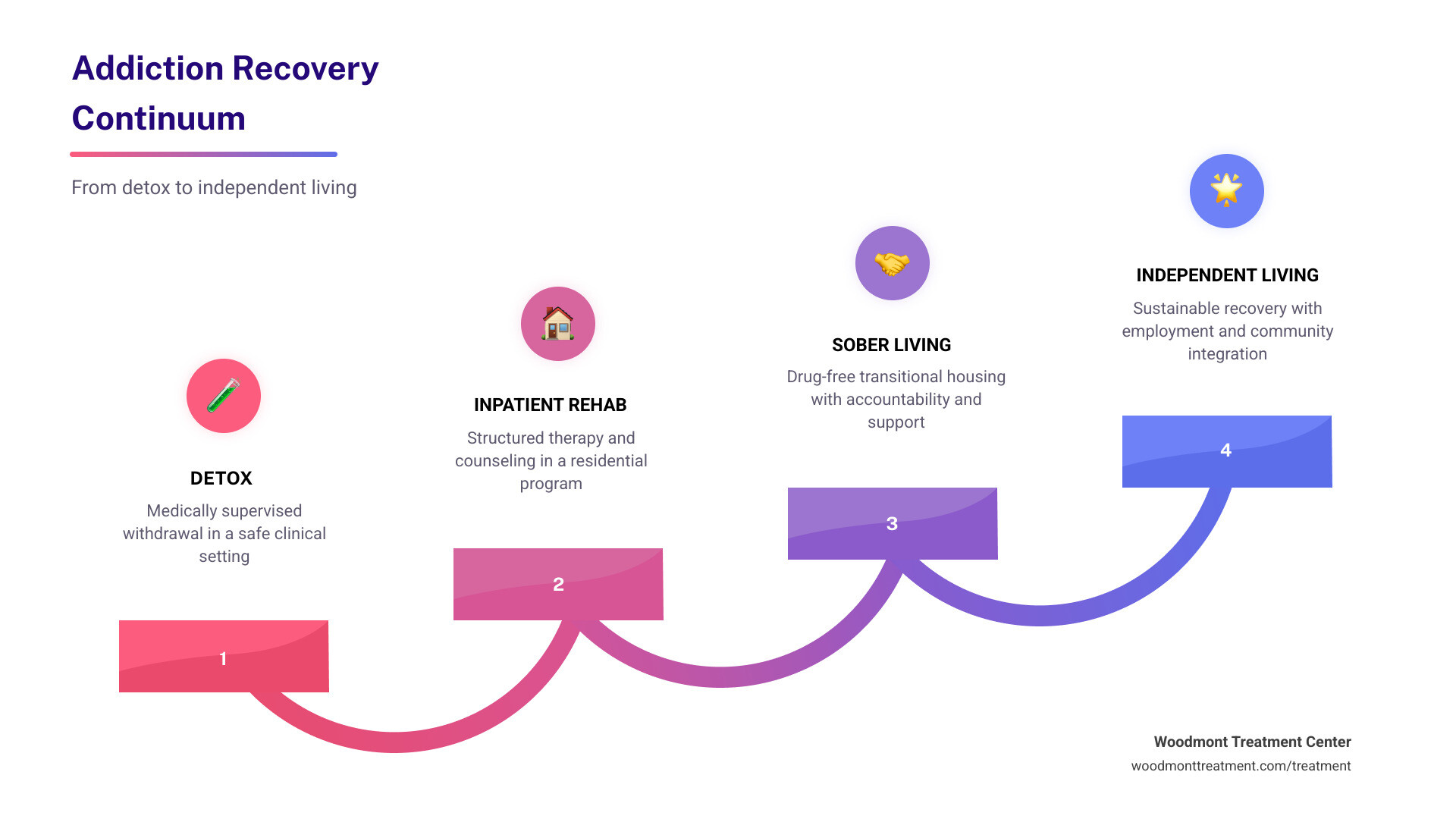
When we talk about sober living houses nj, we are describing a vital middle ground. Think of it as a “practice field” for real life. After the intensive, 24/7 support of inpatient addiction rehab, jumping straight back into old environments can be a shock to the system.
Sober living provides a transitional space where you have more freedom than in a hospital or residential center, but more accountability than living alone. You aren’t just renting a room; you are joining a community committed to a common goal. This stage of the addiction treatment continuum allows you to test your new coping skills in a safe environment while still having a curfew and a supportive group of peers to come home to every night.
Choosing Between Men-Only and Women-Only Sober Living Houses NJ
One of the first decisions you’ll make is whether to enter a gender-specific or co-ed home. In our experience at Woodmont Treatment Center, gender-specific environments often foster a unique level of safety and emotional vulnerability.
- Men-only homes: These often focus on brotherhood, dismantling toxic masculinity, and building healthy accountability.
- Women-only homes: These provide a sanctuary where women can address specific traumas, body image issues, or family dynamics in a space that feels inherently safe. Haley House and other North Jersey options specifically cater to women seeking this specialized healing.
By removing the distractions or potential tensions of co-ed living, residents can focus entirely on their internal growth and peer support.
Specialized Support: MAT-Friendly and Family-Focused Homes
The recovery landscape in New Jersey has evolved significantly. By May 2026, many sober living houses nj have become “MAT-friendly,” meaning they welcome individuals utilizing Medication-Assisted Treatment like Suboxone or Vivitrol. This is a crucial shift, as it ensures that life-saving medical protocols are not a barrier to safe housing.
Additionally, specialized “Mommy & Me” programs exist in New Jersey, allowing mothers to live with their children while maintaining their sobriety. These homes recognize that maintaining the family bond is often a primary motivator for recovery. Instead of choosing between their children and their health, mothers can heal alongside them, learning parenting skills in a substance-free environment.
The Therapeutic Benefits of Structured Transitional Housing

Structure is the “secret sauce” of successful recovery. Without it, the mind can wander back to old habits. Sober living houses nj provide a framework that helps rebuild the self-discipline often lost during active addiction.
By living in a structured rehab environment, you aren’t just staying away from drugs; you are learning how to live again. This includes everything from keeping a clean room to holding down a job and managing interpersonal conflicts without turning to a substance.
Building a Foundation for Long-Term Sobriety
The statistics are clear: community saves lives. Residents in New Jersey sober homes often participate in peer mentorship, where those who have been sober longer help guide the newcomers. This fosters a sense of belonging and purpose.
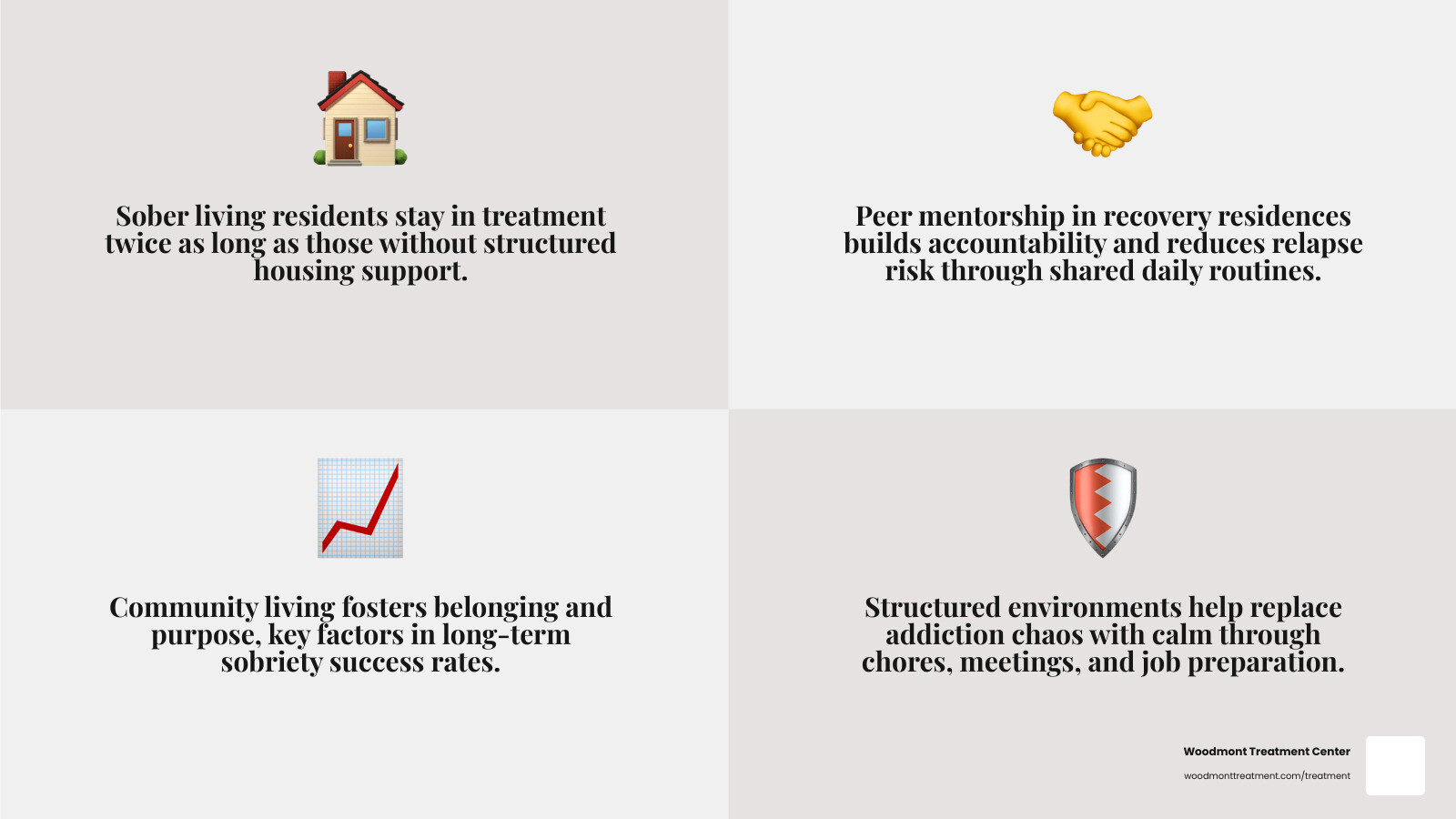
When you have a daily routine—waking up at a certain time, attending house meetings, and contributing to chores—you slowly replace the “chaos” of addiction with the “calm” of recovery. This foundation is what allows residents to eventually transition to fully independent living with confidence.
Supporting Families and Loved Ones During the Transition
Recovery is a family affair. While the resident is in a sober home, it is the perfect time for family members to engage in their own healing. Many NJ residences encourage family therapy integration, helping loved ones set healthy boundaries.
We often tell families that a sober living home is a safe place for their loved one to “stumble” and get back up without the entire family unit collapsing. It provides a buffer, allowing parents, spouses, and children to stop being “policemen” and start being supportive family members again.
Navigating Rules, Structure, and Daily Life in Recovery
Living in sober living houses nj comes with a set of expectations. While they may seem strict at first, these rules are designed to protect the sobriety of everyone in the house.
Common expectations include:
- Zero Tolerance: Any use of drugs or alcohol usually results in immediate eviction to protect the community.
- Curfews: Most homes require residents to be in by 9:00 PM or 11:00 PM, especially during the first 30 days (often called a “blackout period”).
- Drug Testing: Random urine analysis and breathalyzers are standard practice.
- Meeting Attendance: Residents are typically required to attend a certain number of 12-step (AA/NA) or SMART Recovery meetings per week.
Democratic Governance and Peer Accountability
Some of the most successful sober living houses nj utilize a democratic governance model. In these homes, residents elect their own officers—like a House President or Treasurer. This isn’t just about chores; it’s about learning leadership and shared responsibility.
Weekly house meetings are the heartbeat of the home. This is where conflicts are resolved, chores are assigned, and successes are celebrated. If you are also enrolled in an intensive outpatient program, this peer accountability acts as the perfect supplement to your clinical therapy.
Preparing for Move-In: What to Pack and What to Leave
Moving into a sober home requires a minimalist mindset. Space is often shared, and the goal is to create a trigger-free environment.
What to Pack:
- Comfortable, modest clothing.
- Personal toiletries (alcohol-free).
- Approved prescription medications (usually kept in a locked cabinet).
- Identification and insurance cards.
- Basic linens (though some homes provide these).
What to Leave Behind:
- Any products containing alcohol (mouthwash, certain perfumes).
- Clothing that depicts drug or alcohol use.
- Excessive cash or expensive jewelry.
- Unapproved electronics (some homes limit laptop or tablet use initially).
Evaluating Costs and Quality Standards for New Jersey Residences
Cost is often the biggest concern for families. Because sober living houses nj are residential and not clinical, insurance rarely covers the “rent” portion. However, if the home is affiliated with a treatment center that provides outpatient services, insurance may cover the therapy sessions while you pay for the housing out of pocket.
| Feature | Average NJ Range (May 2026) |
|---|---|
| Weekly Rent | $175 – $350 |
| Move-in Fee | $200 – $500 |
| Room Type | Shared (usually 2 per room) |
| Utilities/Wi-Fi | Included |
| Food | Usually self-funded |
The Importance of Certified Sober Living Houses NJ
Not all sober homes are created equal. In New Jersey, you should look for homes that are GSARR (Global Sober Living Association) certified or hold a Class F license. These designations mean the home has met specific safety, ethical, and environmental standards.
Certified homes must follow strict protocols regarding resident rights, financial transparency, and physical safety (like fire codes). Choosing a certified home ensures you aren’t just renting a bed in a “flop house,” but entering a legitimate recovery residence.
Financial Planning for Long-Term Aftercare
By May 2026, the cost of living in North Jersey remains a factor. Many residents utilize medical detoxification services first, then move into sober living while finding employment.
Programs like WorkFirst NJ can help residents find jobs, and many homes require residents to be employed, in school, or volunteering within the first two weeks. This financial independence is a major milestone in the recovery journey.
Essential Recovery Resources in Sussex and Warren County
For those of us in the Newton, Sussex, and Dover areas, we are fortunate to live in a region rich with recovery resources. You don’t have to travel to the city to find high-quality support.
Accessing Local Support Groups and Employment Programs
Northern New Jersey hosts hundreds of weekly meetings. Whether you prefer the traditional 12-step approach of AA/NA or the science-based approach of SMART Recovery, there is a seat for you.
- Transportation: For residents in Sussex or Warren County, local bus routes and county-provided transit are essential for getting to work and meetings.
- Employment: Local businesses in Newton and Andover are often “recovery-friendly,” providing opportunities for those in long-term residential care to re-enter the workforce.
New Jersey Recovery Helplines and Community Centers
If you are in crisis or just need a safe place to go during the day, NJ offers several lifelines:
- NJ Connect for Recovery: A specialized helpline for those affected by substance use.
- Recovery Community Centers (RCCs): These are non-clinical spaces where you can find peer support, job training, and a sober social circle. For those in Sussex County, these centers provide a vital sanctuary away from the “hospital” feel of clinical facilities.
Frequently Asked Questions about Sober Living
What is the difference between a sober house and a halfway house?
While the terms are often used interchangeably, a halfway house is usually state-funded, may be court-ordered, and often has a limit on how long you can stay. A sober living house is typically privately owned, offers more amenities, and allows residents to stay as long as they remain sober and pay rent.
How long do most people stay in a New Jersey sober living home?
The average stay is between 7 and 9 months, though many residents stay for a year or more. The “right” length of stay is whenever you feel confident that you have built enough of a foundation to handle the triggers of independent living.
Does insurance cover the cost of sober living in NJ?
Typically, no. Insurance covers “treatment” (therapy, medical care), but not “housing.” However, many residents use their income from new jobs to pay the weekly rent, which is often comparable to or cheaper than a standard apartment in New Jersey.
Conclusion
At Woodmont Treatment Center, we believe that every individual in Sussex County and Warren County deserves a path to lasting recovery that feels dignified and supportive. As the premier facility in the region, we provide a sanctuary for healing that avoids the cold, clinical feel of a hospital.
Our personalized, holistic care is designed to prepare you for the transition into the best sober living houses nj has to offer. Recovery is a marathon, not a sprint, and having a safe place to rest your head at night is the first step toward a brand-new life.
If you or a loved one are ready to take that step, contact us for inpatient rehab support and let us help you build a bridge to a brighter, sober future.