




Drug Rehab in Sussex County New Jersey: What You Need to Know First
Drug Rehab in Sussex County New Jersey is available across multiple levels of care — from medical detox to outpatient aftercare — and many programs accept major insurance plans.
Here are the most important things to know right away:
- Most common substances treated: Heroin, prescription opioids, alcohol, cocaine, and benzodiazepines
- Types of programs available: Medical detox, residential inpatient, PHP, IOP, and outpatient
- Insurance: Most major commercial plans are accepted; Medicaid and NJ FamilyCare may also apply
- Cost without insurance: Ranges from ~$240/day for detox to $80,000+ for residential programs
- Where to start: Call an admissions team, verify your insurance, and complete a clinical assessment
Sussex County is facing a serious addiction crisis. The county ranks in the top 5 in New Jersey for heroin treatment admissions, with 439 per 100,000 residents. In 2019, 44% of all local treatment admissions were directly linked to heroin. Alcohol misuse is also widespread — about 58% of adults in Sussex County binge drink.
These numbers are not just statistics. They represent real people — neighbors, family members, and friends — who need real support.
The good news? Help is available, and recovery is possible. Whether you are dealing with opioid dependence, alcohol addiction, or both, Sussex County has treatment options designed to meet you where you are.
The Addiction Landscape: Why Seek Drug Rehab in Sussex County New Jersey
When we look at the rolling hills and serene landscapes of Sussex County, it is easy to forget that this community is on the front lines of the national opioid epidemic. But the data tells a sobering story. For a population of roughly 140,000, the impact of substance use disorder (SUD) is profound.
In recent years, Sussex County has consistently contributed to New Jersey’s drug-related death toll. For the year ending December 31, 2021, the county saw 32 drug-related deaths. While this was a decrease from previous highs—such as the 48 deaths recorded in 2020—it highlights the persistent danger of the local drug supply. Fentanyl remains a massive concern; across the state, Fentanyl-related deaths increased by nearly 10% in a single year, and its presence in the Sussex County drug market has made even “recreational” use a life-threatening gamble.
It isn’t just opioids, either. Alcohol remains the most widely misused substance in the area. Statistics show that 18.2% of Sussex County adults drink excessively, and alcohol-impaired driving accounts for 32% of driving deaths in the region.
Seeking drug rehab in Sussex County New Jersey isn’t just about stopping drug use; it’s about reclaiming a life from a landscape that has become increasingly dangerous for those struggling with dependency.

Common Substances Treated in Local Programs
While every individual’s journey is unique, the majority of admissions for drug rehab in Sussex County New Jersey involve a few specific substances. Our local programs are specifically equipped to handle the unique withdrawal and psychological challenges associated with:
- Heroin and Fentanyl: These account for nearly half of all treatment admissions. Because 36% of local admissions involve intravenous drug use, there is a high priority on infection prevention and intensive medical detox.
- Prescription Opioids: Many residents find themselves trapped in addiction after being prescribed painkillers for injuries.
- Alcohol: With 58% of adults reporting binge drinking, alcohol dependence is a primary reason for seeking help, often requiring medically supervised detox to prevent dangerous seizures or delirium tremens (DTs).
- Cocaine and Stimulants: Whether it’s powder cocaine or crack, stimulant addiction requires specialized behavioral therapies to address the intense psychological cravings.
- Benzodiazepines: Drugs like Xanax or Valium are frequently misused, often in combination with opioids or alcohol, creating a high-risk situation for overdose.
- Synthetic Drugs: The rise of “designer” drugs and synthetic cannabinoids has introduced new challenges for local clinicians.
Comprehensive Levels of Care in Sussex County
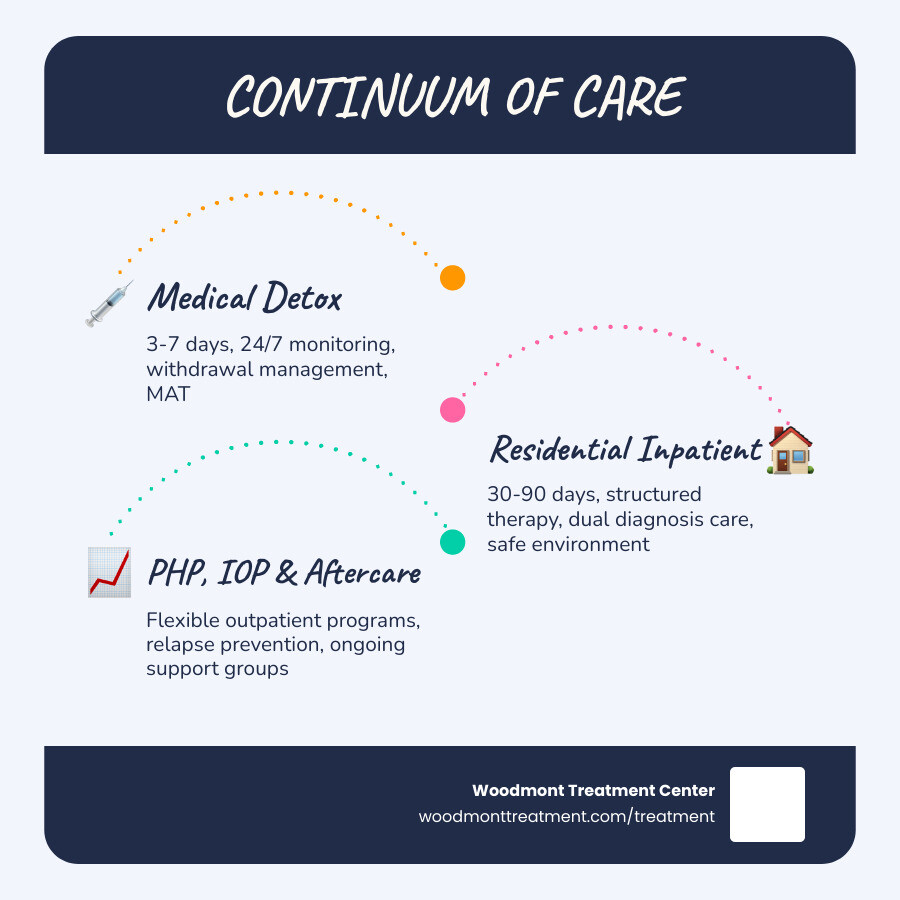
Recovery is not a “one size fits all” process. In Sussex County, we utilize a continuum of care that allows individuals to step down into less intensive environments as they gain strength and coping skills.
Medical Detox and Stabilization
The first step is almost always detoxification. This is the process of allowing the body to clear itself of drugs and alcohol while managing the symptoms of withdrawal. Attempting to “white knuckle” detox at home is not only painful but can be life-threatening, especially with alcohol and benzodiazepines.
In a professional Sussex County detox setting, you receive:
- 24/7 Medical Monitoring: Nurses and doctors are on hand to ensure your vitals remain stable.
- Medication-Assisted Treatment (MAT): Medications like buprenorphine or Vivitrol may be used to ease cravings and dampen withdrawal symptoms.
- Immediate Therapeutic Support: Even in detox, we begin the process of emotional stabilization through counseling.
Residential Inpatient
Once stabilized, many move into a residential program. This is where the real “heart work” happens. Residential treatment usually lasts between 30 and 90 days. You live on-site in a safe, drug-free environment, away from the triggers of your daily life. This level of care is highly recommended for those with long-term addictions or co-occurring mental health issues.
Partial Hospitalization (PHP)
PHP is a “middle ground” level of care. You typically attend treatment for about 6 hours a day, 5 days a week, but you may return home or to a sober living house in the evening. It offers the intensity of inpatient care with a bit more flexibility.
Intensive Outpatient (IOP)
IOP is designed for those who need to maintain work or school commitments while continuing their recovery. These programs usually meet 3 times a week for 3-hour sessions. It focuses heavily on relapse prevention and integrating recovery skills into real-world situations.
Common Treatment Stages:
- Assessment: A deep dive into your medical and psychological history.
- Detox: 3 to 7 days of physical stabilization.
- Primary Treatment: Residential or PHP focus on therapy.
- Aftercare: Ongoing support to prevent relapse.
Outpatient and Aftercare Strategies
Recovery doesn’t end when you leave a facility. In fact, that’s often when the hardest work begins. Sussex County rehabs provide robust aftercare planning, which may include:
- Individual and Group Therapy: Continuing to process emotions and behaviors.
- Alumni Programs: Staying connected with others who have completed the program. Many high-quality treatment centers offer extensive alumni support for those transitioning back to daily life.
- Family Education: Helping your loved ones understand how to support your sobriety without enabling.
Choosing the Best Drug Rehab in Sussex County New Jersey
Choosing a center is a massive decision. You want to ensure the facility is not just a building, but a community of experts dedicated to your success. When evaluating options for drug rehab in Sussex County New Jersey, keep these factors in mind:
- Accreditation: Look for Joint Commission or CARF accreditation. This ensures the facility meets high national standards for safety and quality of care.
- Staff Expertise: Experience matters. At Woodmont Treatment Center, our team brings over 40 years of combined experience to the table.
- Dual Diagnosis Care: About 50% of people with a substance use disorder also have a mental health condition like depression, anxiety, or PTSD. If the rehab doesn’t treat both, the risk of relapse is much higher.
- Trauma-Informed Care: Many addictions are rooted in past trauma. A trauma-informed approach ensures that the treatment process itself doesn’t re-traumatize the individual.
- Luxury Amenities: While not strictly “necessary” for clinical success, a comfortable environment can significantly reduce the stress of early recovery. Woodmont offers a 10+ acre campus, semi-private en-suite rooms, fitness centers, and gourmet meals.
| Feature | Inpatient Residential | Outpatient (IOP/PHP) |
|---|---|---|
| Living Arrangements | On-site at the facility | Live at home or sober living |
| Time Commitment | 24/7 | 9–30 hours per week |
| Supervision | Constant medical/clinical | Scheduled sessions |
| Best For | Severe addiction, unstable home | Mild/Moderate addiction, work needs |
| Cost | Higher (covers room & board) | Lower |
Admissions Process for Drug Rehab in Sussex County New Jersey
We know that the moment you decide to seek help is often the most stressful. Our goal is to make the admissions process as seamless as possible.
- Initial Call: A confidential conversation with an intake specialist.
- Insurance Verification: We work directly with your provider to see what is covered.
- Clinical Assessment: A phone or in-person interview to determine the right level of care.
- Travel Arrangements: Many centers help coordinate transportation to the facility.
- Intake: Arriving at the center, meeting your team, and settling into your room.
Specialized Programs at Drug Rehab in Sussex County New Jersey
Different groups of people face different hurdles. Specialized tracks can make a world of difference:
- Veterans & First Responders: Addressing the specific traumas associated with high-stress service.
- Professionals: Programs designed for executives or medical professionals who need to maintain a level of privacy and perhaps some limited connectivity.
- Adolescents: For younger individuals, specialized care is vital. Dedicated programs for teens and young adults provide age-appropriate therapy and support.
- Gender-Specific Tracks: Sometimes, being in a group of only men or only women allows for deeper vulnerability and more targeted healing.
Insurance Coverage and Financial Assistance
One of the most common questions we hear is: “How am I going to pay for this?” The good news is that under the Affordable Care Act and mental health parity laws, most insurance plans are required to cover addiction treatment just as they would any other medical condition.
Accepted Insurance Providers often include:
- Aetna
- BlueCross BlueShield (including Horizon BCBS of NJ)
- Cigna
- Magellan
- Amerihealth
- NJ FamilyCare (Medicaid)
We highly recommend that you verify your insurance coverage early in the process so you have a clear picture of any out-of-pocket costs.
Navigating Costs Without Insurance
If you do not have commercial insurance, there are still several paths to treatment:
- Sliding Fee Scales: Many non-profit or state-funded centers adjust their prices based on your income.
- SAMHSA Grants: Federal funding is often available for specific populations (such as pregnant women or IV drug users).
- Payment Plans: Most private facilities offer financing options to spread the cost over several months or years.
- State-Funded Resources: New Jersey offers various programs for low-income residents through NJ FamilyCare.
Local Support Systems and Recovery Resources
Recovery isn’t just about what happens inside the walls of a rehab center; it’s about the community you build afterward. Sussex County has a vibrant recovery ecosystem.
- Sussex County Recovery Community Center: Located at 61 Spring Street in Newton, this center offers peer-led support, recovery coaching, and social events. It’s a great place to connect with others who “get it.”
- 12-Step Meetings: There are dozens of AA and NA meetings throughout Sussex County, from Sparta to Andover.
- SMART Recovery: For those looking for a non-12-step, science-based approach, SMART Recovery meetings are increasingly available in the area.
- Sober Living Homes: These provide a structured, drug-free living environment for those transitioning out of residential care.
Emergency Services and Crisis Hotlines
If you are in an immediate crisis, please use these resources:
- 988 Suicide & Crisis Lifeline: Available 24/7 for mental health emergencies.
- 211 NJ: A statewide resource for finding local help, including addiction services.
- Narcan Training: The Center for Prevention & Counseling often provides free Narcan training and kits to community members.
- Emergency Medical Squads: Sussex County law enforcement and EMS are equipped with Narcan and are often the first line of defense in an overdose situation. In 2015 alone, Narcan was administered 46 times by local heroes.
Frequently Asked Questions about Sussex County Rehab
How long does a typical rehab program last?
Most programs are designed in stages. Detox usually lasts 3–7 days. Residential treatment typically spans 30, 60, or 90 days. However, research shows that longer engagement with treatment (including outpatient care) generally leads to better long-term outcomes.
Will I lose my job if I enter addiction treatment?
The Americans with Disabilities Act (ADA) and the Family and Medical Leave Act (FMLA) provide protections for individuals seeking treatment for a disability, which includes addiction. In many cases, you can take a leave of absence to attend rehab without fear of being fired.
Can I receive treatment for mental health and addiction simultaneously?
Yes! This is called “Dual Diagnosis” treatment. In fact, it is the gold standard of care. Addressing the underlying depression, anxiety, or trauma is often the key to preventing a relapse into substance use.
Conclusion
The journey to recovery is rarely a straight line, but in Sussex County, you don’t have to walk it alone. From the initial physical stabilization of medical detox to the long-term support of alumni networks and sober living, the resources available are designed to give you the best possible chance at a new life.
At Woodmont Treatment Center, we don’t just help you stop using, we help you rebuild your life. In our modern Newton, NJ facility, you’ll receive a personalized plan built around your needs, your history, and your goals, combining evidence-based care with whole-person support so recovery actually lasts.
If you or someone you love is struggling, don’t wait for things to get worse. Call Woodmont Treatment Center today to speak confidentially with our admissions team, ask questions, verify insurance, and understand your options. When you’re looking for the best drug rehab in Sussex County, we’re here to help you take the next right step.
Recovery is more than just “quitting”—it’s about starting a life you actually want to live.