





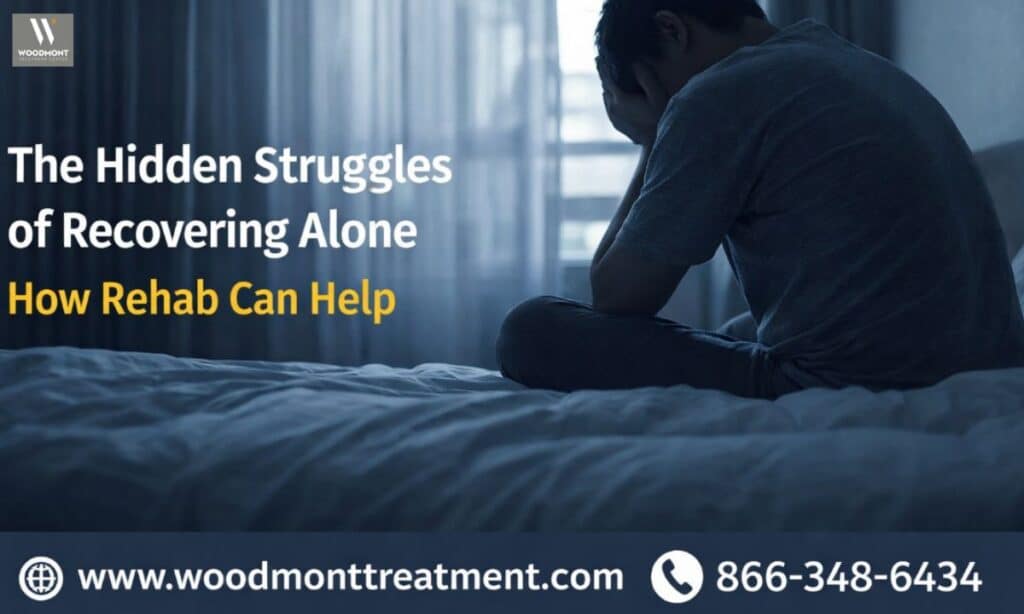
Recovery often begins with a promise made in private. A person wakes up, looks at their life, and decides things have to change. Many people try to quit substances on their own first. It feels personal, even honorable. No appointments, no explaining, no labels. Just willpower and determination.
But what sounds simple rarely stays simple.
Behind closed doors, recovering alone can become a cycle of hope followed by frustration. The problem is not weakness. The problem is that addiction reshapes habits, thinking patterns, and emotional responses in ways that are hard to untangle without guidance.
This is where professional rehab becomes not a last resort, but a supportive structure that helps people succeed.
Why Do People Try to Recover Alone?
Before understanding how rehab helps, it is important to understand why people avoid it.
Many individuals fear judgment. Others worry about cost, time, or what family and coworkers might think. Some believe their situation is not serious enough. Others think asking for help means failure.
Common thoughts include:
- I should be able to handle this myself
- I just need more discipline
- I will stop tomorrow
- I do not want strangers knowing my problems
These thoughts are understandable. Independence is valued, and privacy matters. But addiction is not only a habit. It affects the brain’s reward system, emotional regulation, sleep patterns, and stress response. Fighting all of that alone is exhausting.
The Mental Burden of Solo Recovery
The hardest part of recovering alone is not the physical cravings. It is the mental weight.
Constant Negotiation
People often spend hours bargaining with themselves. One moment they are committed to quitting. The next moment they justify one more use. This internal debate drains energy and focus.
Isolation
Without someone to talk to, thoughts grow louder. Shame increases. Small setbacks feel catastrophic because there is no reassurance or perspective.
Emotional Swings
Substances often mask anxiety, sadness, trauma, or anger. When they are removed suddenly, those emotions surface all at once. Without coping tools, many people return to old patterns simply to feel stable again.
Lack of Structure
Days blend together. Motivation fades. A person may start strong but struggle when stress, boredom, or triggers appear.
This does not mean the person lacks determination. It means recovery requires skills most people were never taught.
The Risk of Relapse When Going Alone
Relapse is common in solo recovery attempts. Not because someone does not want to change, but because triggers are everywhere.
Triggers can include:
- Stress at work
- Conflict in relationships
- Financial pressure
- Loneliness
- Old environments
- Certain friends or routines
When these moments hit, the brain remembers relief faster than logic. Without preparation, relapse becomes the brain’s automatic response.
Professional rehab teaches people how to pause between urge and action. That pause changes everything.
When Willpower Isn’t Enough: How Rehab Supports Lasting Recovery
Addiction is more than a test of willpower—it requires structured support and professional care. Rehab offers evidence-based therapies, medical guidance, and peer support to address the root causes of substance use. With relapse prevention planning and coping strategies, individuals gain the tools needed to build stability and achieve lasting recovery.
Get Started NowHow Rehab Provides What Willpower Cannot?
Rehab does not replace effort. It supports it.
1. A Structured Environment
Schedules matter in recovery. Regular sleep, meals, therapy sessions, and activities stabilize both mood and energy. Structure removes decision fatigue so people can focus on healing.
2. Professional Guidance
Therapists help uncover why substance use began. For some, it is anxiety. For others, trauma, grief, or depression. Addressing root causes prevents the cycle from repeating.
3. Coping Skills That Actually Work
Instead of simply saying no, people learn how to:
- Manage cravings
- Handle stress without substances
- Communicate boundaries
- Recognize emotional triggers
- Build healthier routines
These are learned behaviors, not personality traits.
4. Peer Support
Hearing others share similar struggles reduces shame. People realize they are not broken or alone. Accountability also increases commitment.
5. Safe Detox and Stabilization
Stopping certain substances suddenly can cause intense discomfort or medical complications. Professional care keeps individuals safe while the body adjusts.

The Emotional Relief of Not Carrying It Alone
One of the biggest surprises for many people in treatment is relief.
For months or years, they carried secrets, guilt, and fear. Speaking openly lifts that pressure. Recovery stops being a private battle and becomes a guided process.
Instead of asking, “What is wrong with me?” the question becomes, “What skills do I need next?”
That shift builds confidence.
Building a Life After Treatment
Recovery is not just about stopping substance use. It is about creating a life that makes returning unnecessary.
Rehab helps individuals:
- Repair relationships
- Set realistic goals
- Improve self respect
- Develop hobbies and interests
- Create daily stability
When daily life feels manageable, cravings lose power.
Conclusion
Trying to recover alone often comes from strength and determination. But strength does not mean refusing support. It means choosing the path that gives you the best chance to heal.
If you or someone you love feels stuck in the cycle of quitting and starting again, professional help can make the difference between temporary change and lasting recovery. The caring team at Wood Mont Treatment understands how difficult this journey can be and offers guidance in a supportive and respectful environment. Reach out today and take the first step toward a steadier, healthier future.
Frequently Asked Questions
1. Is it possible to recover without rehab?
Some people reduce use on their own, but long term recovery is harder without structure and support. Rehab improves success rates by addressing both habits and underlying causes.
2. What if my addiction is not severe?
Treatment is not only for extreme situations. Early help often prevents deeper problems and makes recovery easier.
3. Will people judge me in rehab?
Treatment programs are designed to be supportive spaces. Everyone there understands struggle and focuses on progress, not blame.
4. How long does treatment usually last?
Programs vary. Some last a few weeks while others continue longer with outpatient support. The right length depends on personal needs.
5. What happens after rehab ends?
Aftercare plans help maintain progress. This may include therapy, group support, and practical strategies for daily life challenges.