




Drug and Alcohol Rehab in Morris County NJ: What You Need to Know
Choosing to seek help for a substance use disorder is perhaps the most significant and courageous decision an individual can make. When searching for Drug and Alcohol Rehab in Morris County NJ, you are not just looking for a clinical service; you are looking for a sanctuary where healing can begin. At Woodmont Treatment Center, we approach recovery as a deeply personal journey, one that requires a blend of clinical excellence and compassionate, therapeutic support. As we look toward the recovery trends of April 2026, we see a shift toward more integrated, whole-person care that addresses the complexities of modern life.
Quick answers for Morris County residents seeking treatment:
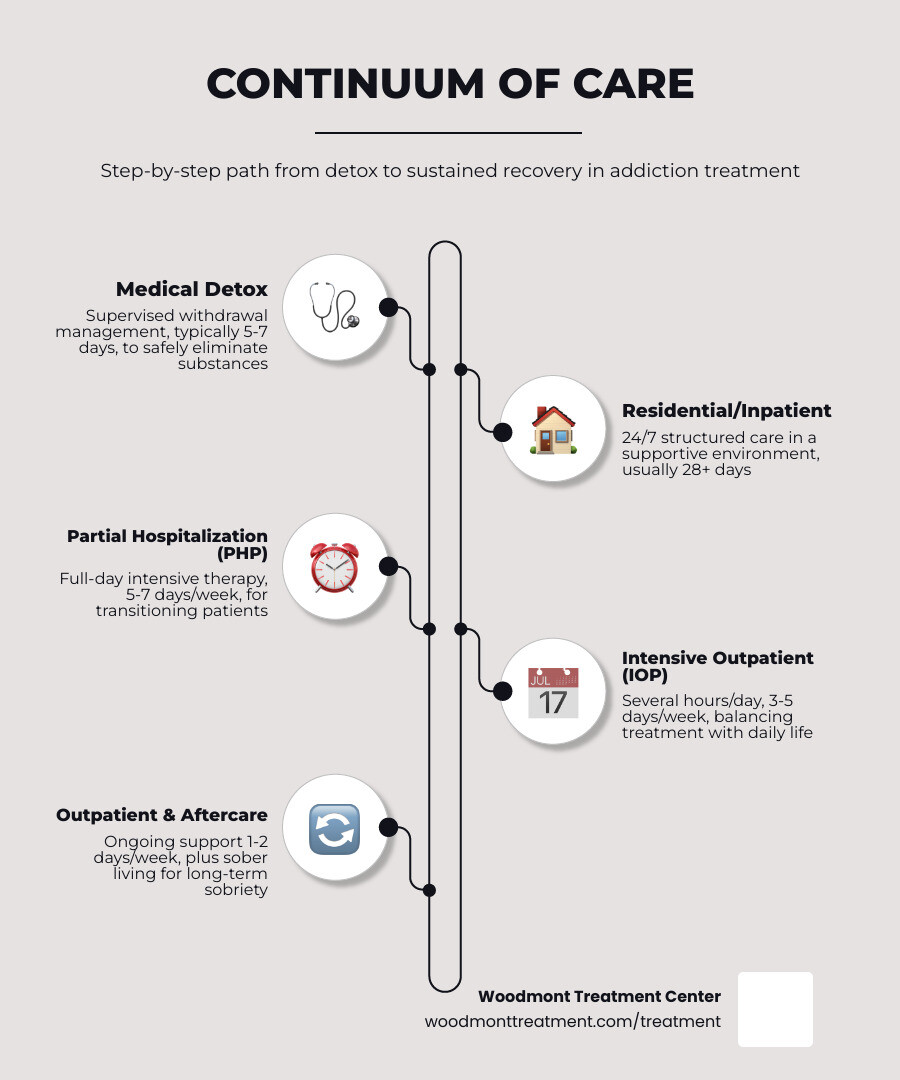
- Medical Detox: A safe, clinically supervised withdrawal process, typically lasting 5 to 7 days, designed to manage physical dependency comfortably.
- Residential/Inpatient Care: 24/7 structured support in a serene environment, usually spanning 28 days or more to establish a foundation for sobriety.
- Partial Hospitalization Program (PHP): Full-day clinical programming, 5 to 7 days per week, offering intensive stabilization without the need for overnight stays.
- Intensive Outpatient Program (IOP): A flexible schedule of several hours per day, 3 to 5 days per week, allowing for the integration of recovery skills into daily life.
- Outpatient Services: Ongoing support 1 to 2 days per week, focusing on long-term maintenance and relapse prevention.
- Sober Living: Transitional housing that provides a drug-free bridge between intensive treatment and full independence.
- Insurance Coverage: Most major private insurance plans, along with Medicaid and Medicare, are accepted to ensure accessibility.
Beneath the scenic landscapes and historic charm of Morris County, many residents are navigating the quiet struggle of addiction. Recent data indicates that substance abuse admissions in the region have remained high, particularly concerning opioids and alcohol. Furthermore, the prevalence of co-occurring mental health conditions—such as anxiety, depression, and trauma—highlights the need for a dual-diagnosis approach. You are not alone in this journey, and the professional support you deserve is available right here in your community.
Related content about Drug and Alcohol Rehab in Morris County NJ:
- Alcohol Rehab In Passaic County New Jersey
- Alcohol Rehab Monmouth County NJ
- Drug Rehab in Sussex County New Jersey
Recognizing the Need for Drug and Alcohol Rehab in Morris County NJ
Acknowledging that a substance has taken control of one’s life is a profound moment of clarity. In Morris County, addiction affects individuals from all walks of life—from the corporate offices of Morristown to the quiet residential streets of Randolph and Parsippany. Addiction is a chronic medical condition, not a moral failing, and recognizing the signs is the first step toward reclaiming your health and happiness.

Recognizing the need for Drug and Alcohol Rehab in Morris County NJ often begins with observing subtle behavioral shifts. You may notice that activities once enjoyed—such as hiking the trails of Pyramid Mountain or attending community events—have been replaced by a preoccupation with obtaining or using a substance. Physical symptoms often manifest as changes in appetite, disrupted sleep patterns, or a general decline in physical vitality. Emotional exhaustion, often described as “white-knuckling” through the day, is a clear indicator that the nervous system is under immense strain.
Learn more about recognizing the need for treatment
What are the Signs and Symptoms of Addiction?
The progression from recreational use to a Substance Use Disorder (SUD) is marked by several clinical indicators. According to the National Institute on Drug Abuse (NIDA), addiction is characterized by compulsive drug seeking and use, despite harmful consequences. Common signs include:
- Neglected Responsibilities: A decline in performance at work or school, or failing to meet family obligations.
- Increased Tolerance: Requiring larger amounts of the substance to achieve the same psychological or physical effect.
- Withdrawal Symptoms: Experiencing physical or emotional distress when the substance is not present in the system.
- Failed Attempts to Quit: Multiple sincere efforts to stop or cut back that result in a return to use.
- Social Isolation: Withdrawing from friends and family to hide the extent of the substance use.
- Financial Instability: Unexplained spending or financial strain related to the cost of the substance.
Common Substances Treated at Drug and Alcohol Rehab in Morris County NJ
Morris County continues to face challenges related to a variety of substances. Alcohol remains a primary concern, often serving as a socially accepted mask for a deeper dependency. However, the opioid crisis, fueled by the prevalence of fentanyl, has created an urgent need for specialized intervention. Fentanyl’s high potency makes the risk of overdose exceptionally high, necessitating professional medical supervision during the early stages of recovery.
We also provide comprehensive care for heroin addiction, prescription drug misuse (including benzodiazepines and stimulants), cocaine, and methamphetamine. Each substance interacts with the brain’s chemistry differently, which is why our treatment plans are tailored to the specific biological and psychological needs of the individual. At Woodmont Treatment Center, we ensure that every client receives the specialized attention required to navigate the unique challenges of their specific addiction.
Explore our specialized treatment programs
What Levels of Care are Available for Addiction Treatment?
Recovery is a multi-stage process that requires different levels of support as an individual progresses. When exploring Drug and Alcohol Rehab in Morris County NJ, it is essential to understand the continuum of care. This structured approach ensures that clients receive the appropriate intensity of treatment based on their clinical needs, safety requirements, and personal circumstances.
More info about treatment services
Understanding Detox and Residential Programs
For many, the journey begins with medical detoxification. This is a critical phase where the body is allowed to clear itself of toxins under 24/7 clinical supervision. Our goal is to make this process as safe and comfortable as possible, utilizing evidence-based protocols to manage withdrawal symptoms. Detox is not just about physical stabilization; it is the first step in preparing the mind for the therapeutic work ahead.
Following detox, residential inpatient care provides a highly structured, supportive environment. In this setting, clients are removed from the triggers and stressors of their daily lives, allowing them to focus entirely on their recovery. Our residential program emphasizes a holistic approach, incorporating nutritional support, individual therapy, and group sessions into a daily routine that fosters stability and growth. Medication-Assisted Treatment (MAT) may also be utilized to help manage cravings and support long-term brain health.
Exploring PHP, IOP, and Outpatient Options
As clients gain stability, they may transition to “step-down” levels of care that offer increased flexibility while maintaining a strong clinical foundation. These programs are ideal for those who have completed residential treatment or for individuals whose clinical needs do not require 24/7 supervision.
| Program Type | Time Commitment | Primary Focus | Ideal Candidate |
|---|---|---|---|
| PHP (Partial Hospitalization) | 5-7 days/week, full days | Intensive stabilization & skill building | Needs high support but has a stable home |
| IOP (Intensive Outpatient) | 3-5 days/week, ~3 hours | Integration & relapse prevention | Balancing recovery with work or school |
| OP (Outpatient) | 1-2 days/week | Long-term maintenance | Established in recovery, seeking support |
These flexible schedules are particularly beneficial for Morris County professionals and students who need to maintain their daily responsibilities while prioritizing their health. The goal of these programs is community reintegration—helping clients apply the coping strategies they have learned in therapy to real-world situations.
More info about the admissions process
How Does Dual Diagnosis Treatment Address Co-occurring Disorders?
It is widely recognized in the field of addiction medicine that substance use disorders and mental health conditions often go hand-in-hand. This is known as a dual diagnosis. In Morris County, we frequently see clients struggling with addiction alongside PTSD, generalized anxiety, clinical depression, or bipolar disorder. Addressing only the addiction while ignoring the underlying mental health condition is often a recipe for relapse.
At Woodmont Treatment Center, we utilize a trauma-informed, integrated approach. We treat both the addiction and the co-occurring disorder simultaneously, recognizing that they are deeply interconnected. By addressing the “why” behind the substance use—whether it be a history of trauma or a struggle with chronic anxiety—we help our clients build a more resilient foundation for long-term health.
Discover our integrated dual diagnosis approach
Evidence-Based and Holistic Therapies
Our therapeutic philosophy combines the best of modern clinical science with holistic practices that nourish the mind, body, and spirit. As the premier facility serving the Sussex and Warren County areas, we pride ourselves on offering a diverse range of modalities:
- Cognitive Behavioral Therapy (CBT): Helping clients identify and challenge the negative thought patterns that lead to self-destructive behaviors.
- Dialectical Behavior Therapy (DBT): Focusing on emotional regulation, distress tolerance, and interpersonal effectiveness.
- EMDR (Eye Movement Desensitization and Reprocessing): A powerful, evidence-based tool for processing and healing from deep-seated trauma.
- Holistic Healing: We integrate yoga therapy, Qigong, art therapy, and music therapy to help regulate the nervous system and provide healthy outlets for emotional expression. Meditation and mindfulness are also taught as essential tools for daily stress management.
More info about specialized treatment
Supporting Specialized Populations
Every individual’s path to recovery is unique, and certain groups face specific challenges that require tailored support. Our programs are designed to be inclusive and sensitive to the needs of various populations, including:
- Veterans and First Responders: Addressing the unique traumas associated with high-stress, high-stakes professions.
- Healthcare Professionals: Providing a discreet and supportive environment for doctors, nurses, and clinicians.
- Gender-Specific Programming: Creating safe spaces for men and women to discuss issues related to family, societal expectations, and addiction.
- LGBTQ+ Friendly Services: Ensuring a non-judgmental and affirming atmosphere for individuals of all identities.
- Executive Recovery: Offering professional accommodations, including private business suites and high-speed internet, so that executives can remain connected to their responsibilities while receiving care.
Navigating the Cost and Insurance Options for Local Recovery
One of the most common barriers to seeking treatment is the concern over cost. However, it is important to know that addiction treatment is more accessible than ever before. Under the Affordable Care Act (ACA), substance use disorder services are classified as essential health benefits, meaning that most private insurance plans are required to provide coverage for these services.
At Woodmont Treatment Center, we are committed to helping you navigate the financial aspects of care. We work with a wide range of insurance providers to ensure that our premier services are available to those who need them. Whether you have insurance through a major Morris County employer or are utilizing Medicaid or Medicare, our admissions team can help you understand your benefits. For more information on federal guidelines and resources, you can visit the Substance Abuse and Mental Health Services Administration (SAMHSA).
Verify your insurance coverage
Legal Protections and Employment
Many individuals worry that attending Drug and Alcohol Rehab in Morris County NJ will jeopardize their employment. Fortunately, there are significant legal protections in place. The Family and Medical Leave Act (FMLA) allows eligible employees to take unpaid, job-protected leave for specified family and medical reasons, including addiction treatment. Additionally, the Americans with Disabilities Act (ADA) protects individuals in recovery from discrimination in the workplace.
Your privacy is also a top priority. All treatment is protected by HIPAA regulations, ensuring that your medical information remains strictly confidential. For our professional clients, we offer business suites that allow for a “working recovery,” enabling you to stay connected to your career while prioritizing your clinical needs.
Why Choose a Local Drug and Alcohol Rehab in Morris County NJ?
While some may consider traveling far away for treatment, there are distinct advantages to staying local within the Sussex, Warren, or Morris County areas:
- Family Involvement: Recovery is often more successful when loved ones are involved. Staying local makes it easier for family members to participate in therapy sessions and support groups.
- Building a Local Network: You can begin establishing connections with local support groups (such as AA, NA, or SMART Recovery) that will serve as your community long after you leave our facility.
- Reduced Logistical Stress: Avoiding the stress of long-distance travel allows you to focus your energy entirely on your healing journey.
- Community Resources: Morris County offers excellent local initiatives, such as the Hope One mobile recovery unit, which work in tandem with professional rehab services to support long-term sobriety.
Connect with our compassionate team
Frequently Asked Questions about Morris County Rehab
1. How long does a typical treatment program last?
There is no set timeframe for recovery, as every individual’s needs are different. However, clinical research suggests that longer durations of care are associated with better long-term outcomes. A typical journey might include 5 to 7 days of detox, followed by a 28-day residential stay. Many clients then transition into 90-day outpatient programs to ensure they have the support needed to maintain their sobriety in the real world.
2. Can I work or attend school while in treatment?
Yes, our outpatient, PHP, and IOP levels of care are designed to be flexible. We understand that you have responsibilities, and we offer evening sessions and professional accommodations to help you balance your recovery with your career or education. Our vocational counseling can also help you navigate your professional life during this transition.
3. What happens after I complete a rehab program?
Completion of a program is just the beginning. We place a heavy emphasis on aftercare planning, which may include joining our alumni network, transitioning to a sober living home, or continuing with individual therapy. We help you develop a comprehensive relapse prevention plan to navigate future challenges.
4. Is the environment like a hospital?
Not at all. We believe that healing happens best in a comfortable, non-clinical environment. Our facility is designed to feel like a sanctuary, offering luxurious amenities and serene surroundings that promote relaxation and reflection.
5. How do you handle privacy for high-profile clients?
We maintain the highest standards of confidentiality and offer specialized executive tracks. Our private business suites and strict adherence to HIPAA ensure that your privacy is protected at all times.
6. Is family therapy mandatory?
While not mandatory, family involvement is highly encouraged. Addiction affects the entire family unit, and healing those relationships is often a vital part of the recovery process.
7. What is Medication-Assisted Treatment (MAT)?
MAT is the use of FDA-approved medications, in combination with counseling and behavioral therapies, to provide a “whole-patient” approach to the treatment of substance use disorders. It can be highly effective in managing cravings and preventing relapse.
8. How do you address nutritional health?
Nutrition is a cornerstone of our holistic approach. We provide healthy, chef-prepared meals designed to restore the body’s balance and support the brain’s recovery from substance use.
9. What role does exercise play in recovery?
Physical activity is a powerful tool for mood regulation and stress reduction. We incorporate yoga, Qigong, and other forms of movement to help clients reconnect with their bodies and improve their overall well-being.
10. How do I know if I’m ready for the next level of care?
Our clinical team conducts regular assessments to monitor your progress. Transitions between levels of care are based on your individual growth, stability, and readiness to take on more independence.
Conclusion
Embarking on the path to recovery is a transformative experience. It is a journey of rediscovering your strength, mending your relationships, and building a future defined by health and purpose. At Woodmont Treatment Center, we are honored to serve as a premier facility for the Sussex and Warren County communities, providing a luxurious and supportive environment where true healing can take place.
Our commitment to personalized, holistic care ensures that you are treated as a whole person, not just a diagnosis. By moving away from a traditional hospital-like setting and toward a therapeutic sanctuary, we provide the space you need to focus on what matters most: your sustainable, long-term sobriety. Drug and Alcohol Rehab in Morris County NJ is an opportunity to turn the page and start a new chapter. We invite you to reach out today and take that first, vital step toward the life you deserve.