




The Real Cost of Waiting: Why Inpatient Addiction Treatment in Sussex County NJ Matters Now
Inpatient addiction treatment in Sussex County NJ is available through several residential programs and nearby facilities that offer 24/7 medical care, detox, therapy, and aftercare support.
Quick answer — what you need to know:
- What it is: Inpatient (residential) rehab means living at a facility full-time while receiving structured treatment
- Who it’s for: People with severe addiction, withdrawal risk, co-occurring mental health disorders, or past failed treatment attempts
- What’s treated: Opioids, heroin, fentanyl, alcohol, benzodiazepines, and more
- How long: Typically 30 to 90 days, sometimes longer
- Cost range: $5,100 – $80,000 for a 30-day residential program, often covered partially or fully by insurance
- Insurance accepted: Major plans including Blue Cross Blue Shield, Cigna, Aetna, Medicaid, and NJ FamilyCare
Sussex County has been hit hard by the addiction crisis. In 2021, the county recorded 32 drug-related deaths. Fentanyl and synthetic opioids continue to drive overdose numbers up. And a striking 45% of people in the county reported heroin use in a 2020-2021 survey.
If you or someone you love is struggling, you are not alone — and treatment works.
This guide walks you through every option available, what to expect, how to pay, and how to take the first step.
Essential Inpatient addiction treatment in Sussex County NJ terms:
- Addiction Treatment in Bergen County NJ
- Alcohol Rehab In Passaic County New Jersey
- Kratom Rehab Center in New Jersey
Understanding Inpatient Addiction Treatment in Sussex County NJ
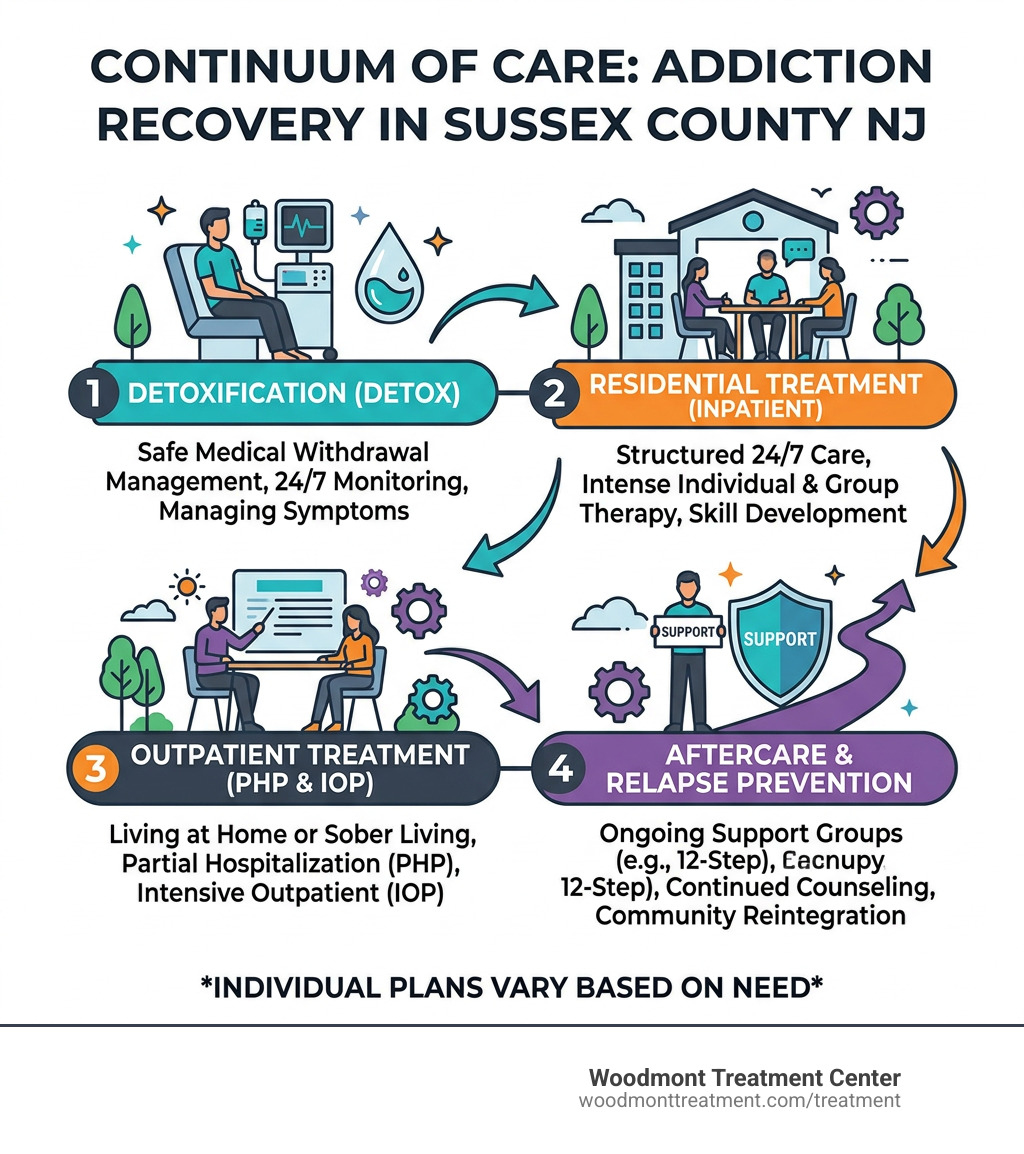
When we talk about Inpatient addiction treatment in Sussex County NJ, we are referring to a level of care that provides the highest intensity of support. Unlike visiting a therapist once a week, inpatient care means you reside at the facility 24 hours a day. This environment is designed to be a “sanctuary” from the triggers of everyday life—the stress of work, the availability of substances in the neighborhood, or social circles that encourage use.
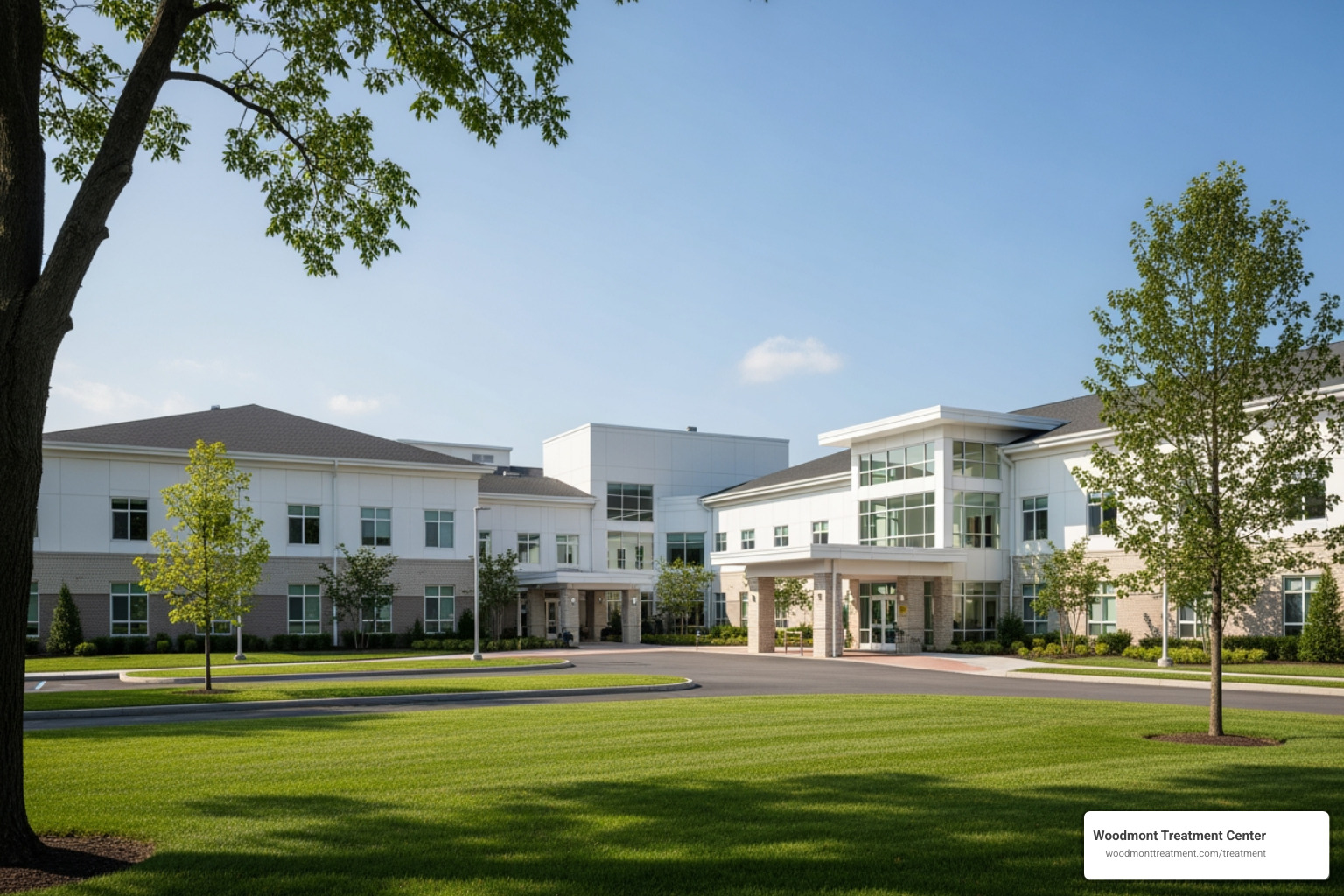
In Sussex County cities like Newton and Sparta, residential care offers a structured clinical environment where safety protocols are the priority. For many, the journey begins with medical stabilization. This is crucial because withdrawal from substances like alcohol or benzodiazepines can be physically dangerous, even life-threatening, without professional monitoring. By choosing an inpatient setting, you ensure that licensed clinicians are on hand to manage these risks around the clock.
Residential vs. Outpatient Levels of Care
Choosing the right level of care is one of the most important decisions you’ll make. It’s not just about “how much” treatment you get, but “where” you get it.
- Inpatient/Residential: You live on-site. This is ideal if your home environment is high-stress or if you have a high risk of relapse. It offers maximum privacy and a completely controlled environment.
- Partial Hospitalization (PHP): This is often described as “day treatment.” You might spend 6 hours a day, 5 days a week at the facility but return home or to a sober living house at night.
- Intensive Outpatient (IOP): These programs typically meet 3 days a week for about 3 hours per session. It allows you to maintain work or school commitments while receiving professional counseling.
If you find that your current environment is “trigger-heavy”—perhaps family members use substances nearby or your job is a major source of anxiety—inpatient care is usually the safest bet. It provides the physical and psychological distance needed to focus entirely on healing.
The Role of Medical Detox in Recovery
We often say that you can’t build a house on a shaky foundation. In recovery, medical detox is that foundation. It is the process of clearing toxins from your body under the watchful eye of medical professionals.
Detox isn’t just about “toughing it out.” Our licensed clinicians use specific tapering protocols to minimize discomfort. Whether it’s managing the flu-like symptoms of opioid withdrawal or the dangerous seizures associated with alcohol cessation, medical detox ensures you are physically stable before you begin the deep psychological work of rehab. This stage typically lasts 5 to 7 days, though it is always tailored to your specific usage history and physical health.
Specialized Programs and Therapies Available Locally
Addiction rarely travels alone. Many people in Sussex County struggling with substance use also deal with anxiety, depression, or PTSD. This is known as a dual diagnosis or co-occurring disorder. Effective Inpatient addiction treatment in Sussex County NJ must address both the addiction and the underlying mental health condition simultaneously. If you only treat the drinking but ignore the depression, the risk of relapse remains high.
We also emphasize trauma-informed care. Many individuals use substances to cope with past trauma. By creating a safe space where these issues can be explored without judgment, we help residents develop healthier coping mechanisms.
One of the most valuable resources in our area is the Sussex County Recovery Community Center. Located in Newton, this center provides peer support and system navigation, helping individuals find the right path after they leave a clinical setting. Peer support is a cornerstone of long-term success; talking to someone who has “walked the walk” provides a level of relatability that clinical staff sometimes cannot.
Holistic and Evidence-Based Approaches to Inpatient Addiction Treatment in Sussex County NJ
At Woodmont Treatment Center, we believe in treating the whole person—mind, body, and spirit. This means combining “gold standard” clinical therapies with holistic practices.
- Cognitive Behavioral Therapy (CBT): Helping you identify and change the negative thought patterns that lead to substance use.
- Dialectical Behavior Therapy (DBT): Focusing on emotional regulation and distress tolerance.
- Somatic Healing: Using breathwork and awareness to release the physical stress trapped in the body.
- Holistic Wellness: Many programs in the Sussex and Andover areas incorporate yoga, mindfulness, and nutritional support to help the body heal from the inside out.
Family involvement is also key. We often host “family intensives” where loved ones can learn about the science of addiction and how to support their family member’s recovery without enabling the disease.
Targeted Demographics for Treatment
Not every recovery journey looks the same. A 20-year-old college student in Sparta has different needs than a 55-year-old veteran in Newton.
Specific tracks are often available for:
- Veterans: Addressing the unique traumas of service and the transition to civilian life.
- Gender-Specific Care: Providing safe spaces for men or women to discuss issues that might be difficult in a mixed-gender group.
- Young Adults: Focusing on life skills, education, and peer pressure.
- LGBTQ+ Friendly Environments: Ensuring every individual feels seen, respected, and safe.
Navigating Costs and Insurance for Sussex County Rehab
One of the biggest hurdles to seeking help is the fear of the bill. However, thanks to the Affordable Care Act (ACA) and mental health parity laws, insurance providers are required to cover addiction treatment similarly to how they cover other medical procedures.
| Level of Care | Estimated Cost Range (30 Days) | Common Coverage Options |
|---|---|---|
| Medical Detox | $240 – $850 per day | Private Insurance, Medicaid |
| Inpatient Residential | $5,100 – $80,000 | Private Insurance, Self-Pay |
| Outpatient / IOP | $1,450 – $10,000 | Private Insurance, NJ FamilyCare |
Most major private insurers like Aetna, Blue Cross Blue Shield, and Cigna are accepted at high-quality facilities. For those without private insurance, Medicaid and NJ FamilyCare provide vital lifelines. You can easily Verify your insurance coverage online to see exactly what your plan covers.
Admission Process for Inpatient Addiction Treatment in Sussex County NJ
We know that when you decide to get help, you need it now. The Detailed admissions process is designed to be as seamless as possible.
- Initial Assessment: A confidential phone call to determine your needs.
- Clinical Evaluation: A deeper look at your medical and psychological history.
- Insurance Verification: Confirming your benefits so there are no surprises.
- Intake: Arriving at the facility, meeting the team, and settling into your room.
If you are traveling from Newton, Sparta, or even nearby Bergen County, many facilities can arrange immediate placement. When packing, think “comfort.” Bring comfortable clothes, basic toiletries (alcohol-free), and photos of loved ones. Most importantly, bring an open mind.
Financial Assistance and Scholarship Options
If you don’t have insurance or your plan doesn’t cover the full cost, don’t give up. Many centers offer sliding scale fees based on your income. There are also state-funded resources and grant opportunities specifically for New Jersey residents. Our goal is to ensure that anyone who truly wants help can find a way to receive it.
Local Statistics and the Need for Treatment in Sussex County
The need for Inpatient addiction treatment in Sussex County NJ is underscored by some sobering data. While Sussex County is known for its beautiful landscapes and quiet towns, it is not immune to the national opioid epidemic.
- Fentanyl Impact: Deaths from synthetic opioids like fentanyl increased by nearly 10% in the region in recent years. Fentanyl is now found in almost every street drug, making the “first time” potentially fatal.
- Alcohol Prevalence: According to 2020-2021 data, 37% of Sussex County residents reported alcohol use, with significant numbers among both high school graduates and college students.
- Heroin Usage: Nearly 45% of those seeking help in the county identified heroin as their primary substance of concern.
For those in the Newton area, there are several Newton area rehab resources available to help navigate these challenges. Community outreach and prevention programs are active, but for many, the intensive nature of inpatient care is the only way to break the cycle.
Aftercare and Relapse Prevention Services
Leaving rehab is just the beginning. The real work happens when you return to the world. A robust aftercare plan is the “safety net” that prevents a slip from becoming a full-blown relapse.
Aftercare often includes:
- Sober Living Houses: Group homes that provide a drug-free environment and peer accountability.
- 12-Step Meetings: Local AA or NA meetings in Sussex County offer a lifetime of free support.
- SMART Recovery: An alternative to 12-step programs that focuses on self-empowerment and cognitive tools.
- Alumni Programs: Staying connected with the facility where you got sober through events and check-ins.
- Case Management: Helping you navigate the “logistics” of life, like finding a job or stable housing.
Frequently Asked Questions about Sussex County Inpatient Rehab
How long does a typical inpatient program last?
Most programs last between 30 and 90 days. The length of stay depends on the severity of the addiction, the presence of co-occurring mental health issues, and how quickly an individual progresses through their treatment goals. Research shows that longer stays generally lead to better long-term outcomes.
Can I receive treatment for dual diagnosis in Sussex County?
Yes! Many facilities in Sussex County and the surrounding areas specialize in dual diagnosis. This means they are equipped with both addiction specialists and mental health professionals (like psychiatrists and licensed therapists) to treat conditions like depression, bipolar disorder, or anxiety alongside substance use.
What happens after I complete inpatient treatment?
Before you leave, we work with you to create a “discharge plan.” This might involve moving into a sober living home, starting an Intensive Outpatient Program (IOP), or simply scheduling regular sessions with a local therapist. You will also be encouraged to join local support groups like AA or NA to maintain your connection to the recovery community.
Conclusion
Recovery is not a destination; it is a journey that begins with a single, courageous step. While the statistics in Sussex County might seem daunting, they don’t have to be your story. With the right combination of medical detox, evidence-based therapy, and a supportive community, long-term sobriety is entirely possible.
At Woodmont Treatment Center, we are dedicated to providing personalized, holistic care in a luxurious and supportive environment. Whether you are in Newton, Sparta, or Andover, help is closer than you think.
Don’t wait for “rock bottom” to find you. Take control of your future today. Start your recovery journey and rediscover the life you were meant to live.