




Why Evidence-Based Inpatient Rehab Is the Gold Standard for Lasting Recovery
At Woodmont Treatment Center, we understand that the decision to seek help for addiction is one of the most courageous steps an individual can take. It is a moment of profound vulnerability and hope. When you or a loved one reaches this crossroads, the path forward should be paved with more than just good intentions; it must be built on a foundation of scientific certainty. Evidence-based inpatient rehab represents the pinnacle of modern addiction medicine, combining rigorously tested therapies, FDA-approved pharmacological support, and a compassionate, around-the-clock clinical presence. This approach ensures that every moment spent in our care is an investment in a sustainable, substance-free future.
For those navigating the complexities of moderate-to-severe substance use disorders, particularly when complicated by co-occurring mental health challenges or a history of previous attempts at sobriety, the structure of a residential program is often the missing piece of the puzzle. In a world full of distractions and triggers, our sanctuary provides the quietude and clinical depth necessary for the brain to begin its long process of healing. We believe that recovery is not merely the absence of a substance, but the presence of a new, vibrant way of living.
A Quick Overview of the Evidence-Based Path:
- The Definition: A residential healing program utilizing therapeutic modalities that have been validated through extensive clinical research and peer-reviewed studies.
- The Ideal Candidate: Individuals facing significant chemical dependency, those with underlying trauma or psychiatric conditions, and those who require a safe, supervised environment to navigate withdrawal.
- The Methodology: A harmonious blend of structured daily therapy, medical oversight, and deeply individualized care plans—all delivered within a supportive, home-like environment.
- The Impact: Research consistently demonstrates that individuals in residential settings are three times more likely to complete their treatment journey compared to those in outpatient settings. Furthermore, first-year sobriety rates in these high-quality environments often reach 65–75%.
- The Quality Markers: Seek programs that hold prestigious accreditations from JCAHO or CARF, featuring a multidisciplinary team of licensed professionals dedicated to personalized wellness.
For many families in New Jersey, particularly those in the close-knit communities of Sussex and Warren County, the challenge is often discerning which program offers the best chance for success. The landscape of addiction treatment is vast, and unfortunately, not all programs adhere to the highest scientific standards. Some may rely on outdated, punitive models or “one-size-fits-all” approaches that fail to address the unique biological and psychological makeup of the individual.
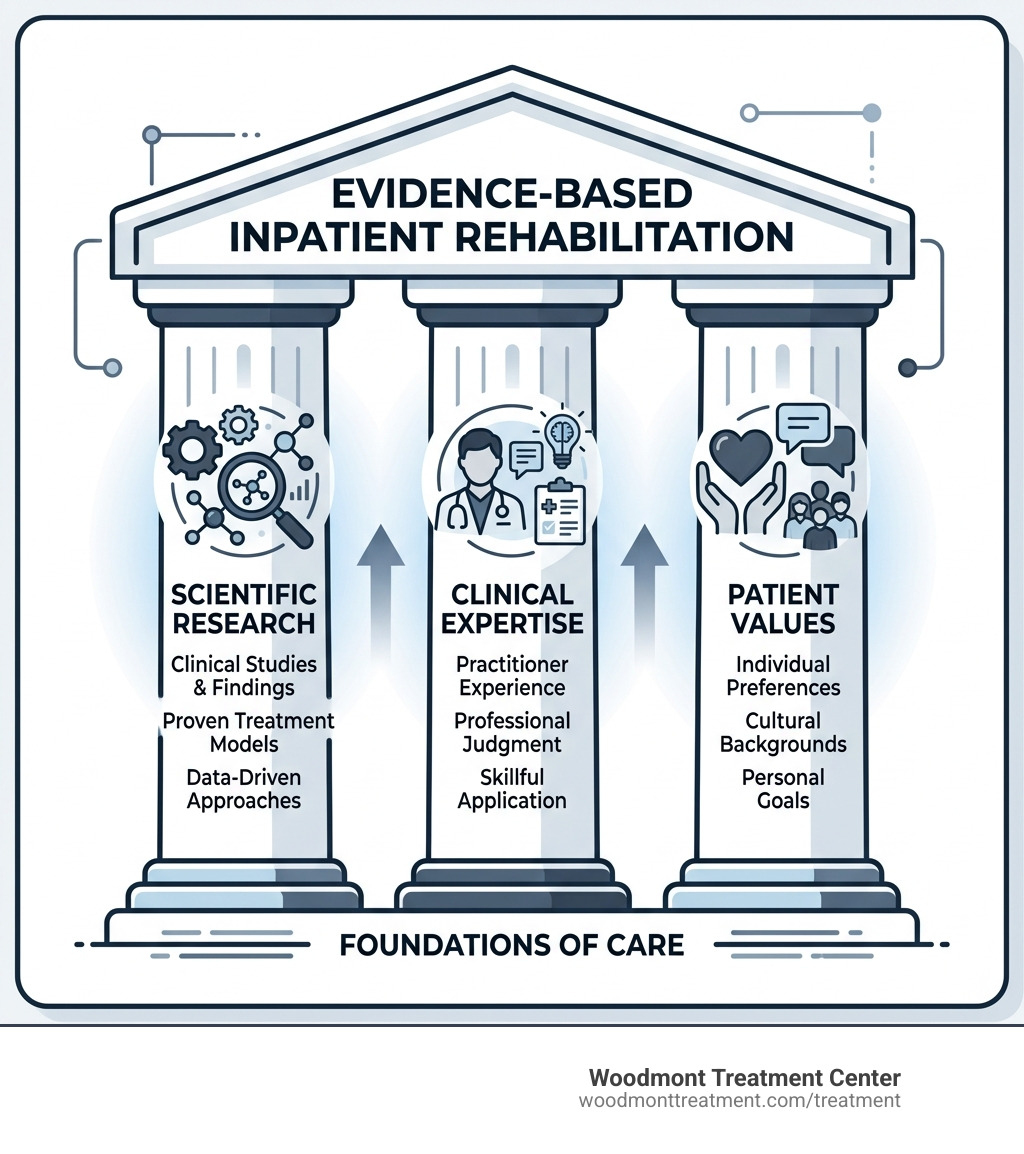
At Woodmont Treatment Center, we have redefined the rehab experience. Our philosophy is grounded in three essential pillars: the latest scientific discoveries, the seasoned wisdom of our clinical experts, and the personal values and goals of the individuals we serve. This guide is designed to help you understand the mechanics of evidence-based care and why it remains the gold standard for those seeking to reclaim their lives from addiction.
Evidence-Based Inpatient Rehab Resource Guide:
Defining the Standards of Evidence Based Inpatient Rehab
When we discuss evidence based inpatient rehab, we are speaking about a commitment to clinical excellence that transcends simple trends. This standard ensures that every therapeutic intervention—from the first assessment to the final discharge plan—has been scrutinized by the scientific community and proven to yield positive, measurable outcomes. In the realm of behavioral health, “evidence-based” signifies that a treatment has undergone rigorous clinical trials and has been found effective in reducing substance dependency while significantly enhancing the patient’s overall quality of life.
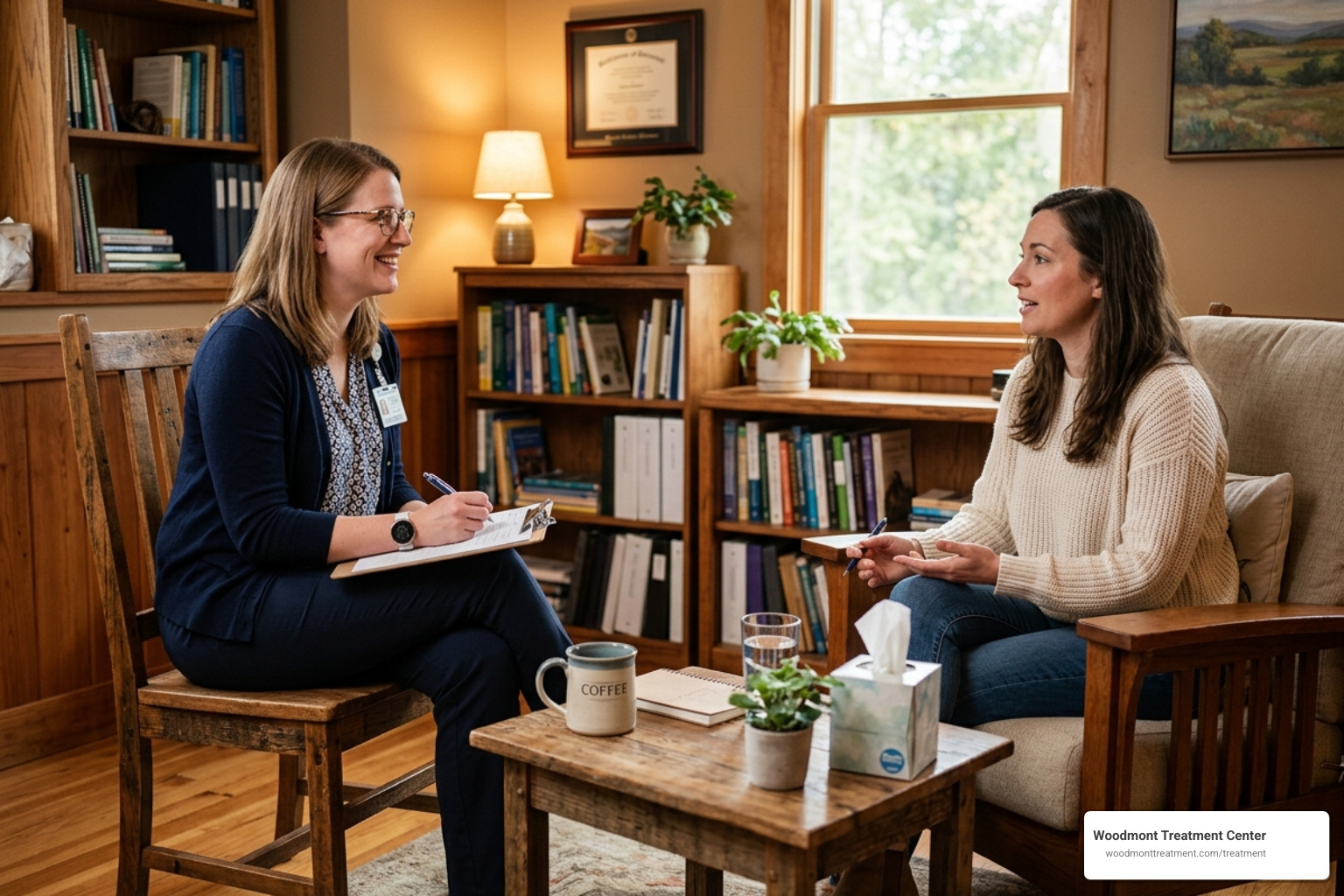
In our premier residential setting, this process begins with the American Society of Addiction Medicine (ASAM) criteria. We move away from the guesswork of traditional intake processes, instead utilizing these standardized, multidimensional guidelines to match each individual with the precise intensity of care they require. This ensures that a person struggling with a severe opioid use disorder receives the high-level medical and psychological support they need, rather than being placed in a lower-intensity program where the risk of early relapse is significantly higher.
The Three-Legged Stool of Clinical Excellence
True evidence-based practice is often described as a three-legged stool. For the structure of recovery to remain stable and strong, each leg must be equally robust:
- Scientific Evidence: We continuously integrate the latest findings from esteemed organizations such as SAMHSA and the National Institute on Drug Abuse (NIDA). This ensures our protocols are always at the cutting edge of addiction science.
- Clinical Expertise: Our team of therapists, nurses, and physicians bring decades of collective experience. They possess the nuanced understanding required to translate complex scientific theories into compassionate, real-world applications that resonate with the human spirit.
- Patient Values and Preferences: This is the cornerstone of personalized care. We honor your unique history, cultural background, and personal aspirations. We recognize that for a treatment to be truly effective, it must align with who you are as a person.
Navigating the ASAM Levels of Care
Inpatient treatment is a sophisticated spectrum of care, not a singular destination. According to scientific research on inpatient effectiveness, the specific environment in which healing occurs is a primary determinant of long-term stabilization.
- Level 3.5 (Clinically Managed High-Intensity Residential): This level provides a highly structured environment with 24-hour supervision. It is designed for individuals who need a safe space to develop essential recovery skills, manage intense emotions, and begin the process of cognitive restructuring without the interference of outside stressors.
- Level 3.7 (Medically Monitored Intensive Inpatient): This level offers a more intensive degree of medical and nursing oversight. It is specifically tailored for those whose treatment conditions involve complex withdrawal symptoms or co-occurring medical issues that require frequent clinical monitoring and intervention.
By choosing an inpatient rehab setting, you are granting yourself the gift of time and space. Removed from the environmental triggers—the “people, places, and things”—that have historically fueled the cycle of addiction, your brain is finally given the opportunity to rest, recalibrate, and begin the profound work of neurobiological healing.
Core Psychosocial Therapies and Pharmacological Interventions
At Woodmont, we view recovery as a holistic transformation of both the mind and the body. Addiction is not a failure of willpower; it is a complex interplay of biological vulnerabilities and psychological patterns. Therefore, a truly evidence based inpatient rehab must address these two dimensions simultaneously, using a sophisticated toolkit of psychosocial and pharmacological interventions.

Psychosocial Interventions: Rewiring the Mind
Psychosocial therapies are the essential “talk therapies” that facilitate the rewiring of the brain’s reward and stress systems. Research, including comprehensive evidence reviews for therapy intensity, highlights that the frequency, consistency, and quality of these sessions are the primary drivers of long-term behavioral change.
- Cognitive Behavioral Therapy (CBT): Often considered the gold standard of addiction counseling, CBT empowers individuals to identify and dismantle the maladaptive thought patterns that lead to substance use. By recognizing the “automatic thoughts” that occur during stress, residents learn to replace them with healthier, more constructive coping strategies.
- Dialectical Behavior Therapy (DBT): DBT is a powerful tool for those who struggle with intense emotional volatility. It emphasizes four key skill sets: mindfulness, distress tolerance, emotional regulation, and interpersonal effectiveness. It teaches the invaluable skill of experiencing a difficult emotion without the immediate need to self-medicate.
- Motivational Interviewing (MI): We recognize that the desire for change is often accompanied by fear and hesitation. MI is a collaborative, non-judgmental conversation style that helps individuals resolve their ambivalence and tap into their own internal motivations for a healthier life.
- Contingency Management (CM): This evidence-based approach utilizes the principles of positive reinforcement. By providing tangible rewards for meeting specific recovery goals—such as consistent participation in therapy or clean toxicology screens—we help rebuild the brain’s natural reward pathways.
- Family Behavior Therapy (FBT): We believe that healing should extend beyond the individual. FBT involves loved ones in the therapeutic process, fostering open communication, setting healthy boundaries, and repairing the relational bonds that addiction often strains.
FDA-Approved Medications for Addiction Treatment (MAT)
For many, the journey begins with a medically supervised detoxification to ensure safety and comfort. When integrated with psychosocial support, Medication-Assisted Treatment (MAT) is a life-saving component of evidence-based care.
| Substance | FDA-Approved Medications | Mechanism of Action |
|---|---|---|
| Opioids | Buprenorphine | A partial agonist that satisfies cravings and prevents withdrawal without the high risk of respiratory depression. |
| Methadone | A full agonist that stabilizes the brain’s opioid receptors, allowing the individual to function normally and engage in therapy. | |
| Naltrexone | An antagonist that blocks the euphoric effects of opioids, effectively removing the “reward” of use. | |
| Alcohol | Acamprosate | Helps restore the chemical balance in the brain that is disrupted by chronic alcohol consumption, reducing long-term withdrawal symptoms. |
| Disulfiram | Acts as a powerful deterrent by causing an immediate, unpleasant physical reaction if alcohol is consumed. | |
| Naltrexone | Reduces the urge to drink by blocking the endorphin release associated with alcohol consumption. |
While some individuals may eventually transition to intensive outpatient care, the initial stabilization provided by MAT within the safety of an inpatient environment is often the critical factor in preventing early relapse and overdose.
Comparing Clinical Outcomes: The Inpatient Advantage
A frequent concern for families in Sussex and Warren County is whether the commitment to a residential program is truly necessary. “Can’t this be managed at home?” is a question born of both hope and a misunderstanding of the nature of addiction. While outpatient services are a vital part of the recovery continuum, the data supporting evidence based inpatient rehab for the initial phase of recovery is overwhelming.
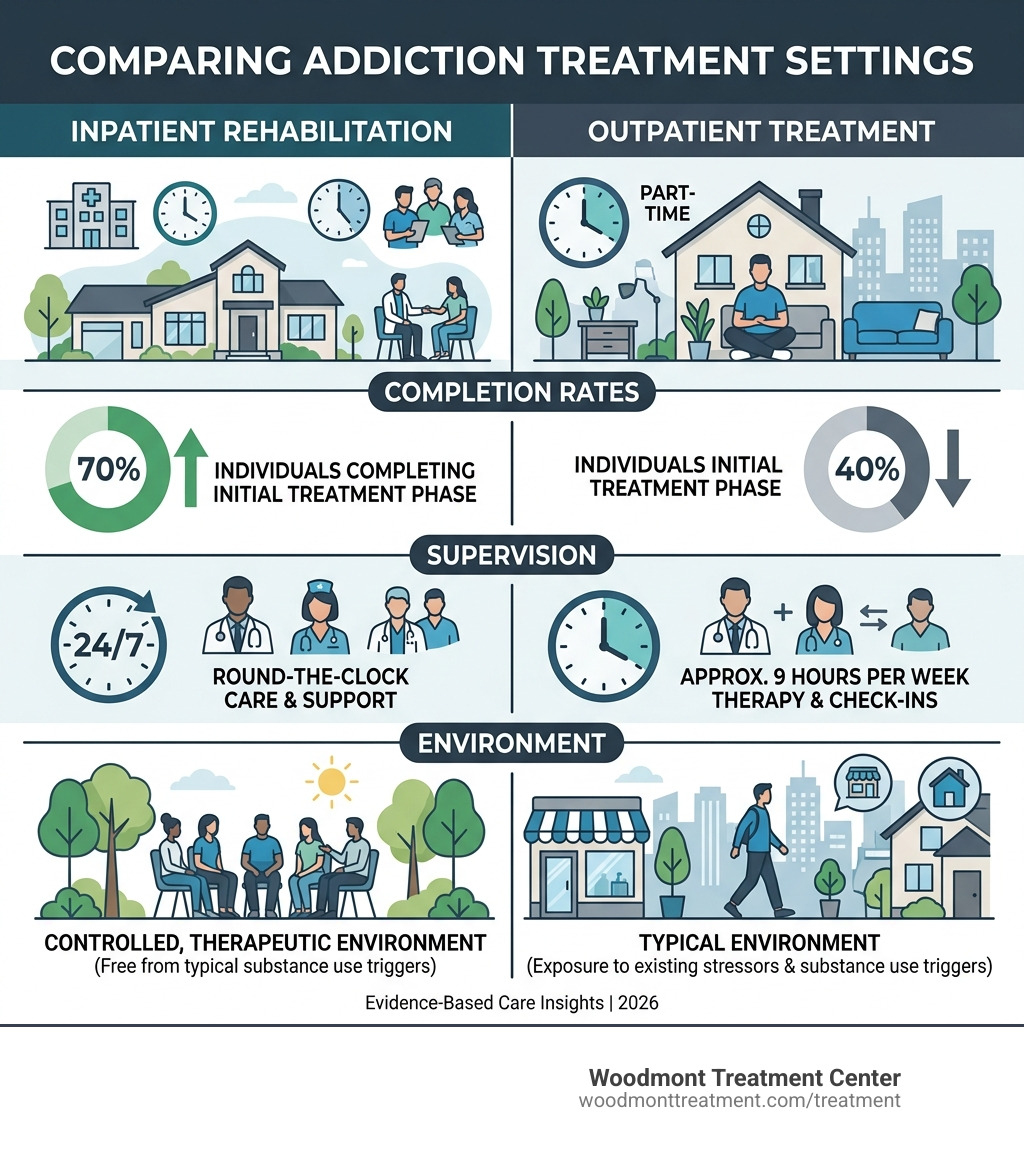
National studies indicate that the first 30 days of recovery are the most precarious, with nearly half of all individuals in outpatient settings dropping out during this window. In contrast, those in inpatient programs are three times more likely to complete their initial treatment phase. This completion is not just a statistic; it represents the successful navigation of the most difficult physical and emotional hurdles of early sobriety.
Success Rates and the Foundation of Sobriety
When we examine the first year of recovery—a critical benchmark for long-term success—the differences remain significant:
- Inpatient Success: Between 65% and 75% of individuals who complete a residential program maintain their sobriety through the first year.
- Outpatient Success: Success rates for those starting in outpatient settings typically range between 35% and 45%.
According to peer review reports on rehab settings, while these rates may begin to equalize over a five-year period, the “head start” provided by an inpatient stay is indispensable for those with high-severity addictions or unstable living environments. For many, a partial hospitalization program serves as an excellent step-down transition, maintaining the momentum gained during their residential stay.
The 11 Indicators of a High-Quality Program
To ensure you are choosing a center that truly adheres to evidence-based principles, the Recovery Research Institute suggests looking for these 11 quality indicators:
- Comprehensive Assessment: A deep dive into medical, psychiatric, and social history.
- Integrated Care: Simultaneous treatment of addiction and mental health disorders.
- Evidence-Based Practices: The consistent use of CBT, DBT, and MAT.
- Qualified Staff: Licensed clinicians with specialized training in addiction medicine.
- External Accreditation: The “Gold Seal” of approval from JCAHO or CARF.
- Family Involvement: Active inclusion of the family unit in the healing process.
- Respectful Environment: A facility that prioritizes dignity, comfort, and safety.
- Personalized Approach: Treatment plans that are as unique as the individual.
- Patient Engagement: Proactive strategies to maintain motivation and hope.
- Continuing Care Linkages: A clear, supported path for life after residential treatment.
- Performance Measurement: A commitment to tracking and improving clinical outcomes.
Specialized Care for Complex and Co-Occurring Disorders
In the field of professional counseling, we recognize that addiction rarely exists in a vacuum. It is frequently intertwined with depression, anxiety, post-traumatic stress disorder (PTSD), or chronic physical pain. A truly evidence based inpatient rehab must be equipped to address these “dual diagnoses” with the same level of sophistication as the addiction itself.
The Power of Integrated Treatment
According to SAMHSA’s TIP 42, the most effective approach for co-occurring disorders is integrated treatment. This means that your mental health and your substance use are not treated as separate issues by different doctors. Instead, a single, multidisciplinary team works in harmony to address both simultaneously. This holistic approach prevents the “revolving door” effect, where an untreated mental health condition triggers a relapse, or vice versa.
This integrated model is particularly vital for older adults. Research on geriatric inpatient outcomes demonstrates that multidisciplinary rehab can significantly reduce mortality and functional decline in the elderly. Whether it is a senior citizen struggling with late-life alcohol dependency or a young adult dealing with trauma-induced opioid use, the inpatient setting provides a level of psychiatric stabilization that outpatient services simply cannot replicate in a home environment.
Building Recovery Capital for the Future
At Woodmont, we believe that discharge planning is not something that happens at the end of your stay; it begins on Day One. Our goal is to help you build “recovery capital”—the internal and external resources that will sustain you long after you leave our care. This includes developing emotional resilience, repairing family relationships, and securing stable housing or employment.
We utilize “assertive linkages” to ensure a seamless transition back into the community. We don’t just provide a list of resources; we facilitate “warm hand-offs” to peer support specialists, sober living environments, or outpatient therapists. Our treatment philosophy is that while the inpatient stay is a critical chapter, recovery is a lifelong journey, and we are committed to ensuring you have the endurance and support needed for the long haul.
Choosing a Premier Path to Recovery in New Jersey

If you are seeking help in Newton, Andover, or anywhere within Sussex and Warren County, you deserve a recovery experience that honors your dignity. Woodmont Treatment Center was founded on the belief that the environment in which you heal is just as important as the therapies you receive. We have moved away from the cold, sterile, and often intimidating atmosphere of traditional hospital-based programs, creating instead a premier sanctuary that feels like a home.
Our facility is designed to be a place of peace and reflection. We believe that when you are comfortable, respected, and surrounded by beauty, you are more likely to engage deeply in the challenging work of self-discovery and healing. From our private suites to our serene common areas, every detail of Woodmont is intended to foster a sense of well-being and hope.
Navigating the Path to Admissions
We understand that the logistical and financial aspects of seeking treatment can feel overwhelming. Our compassionate admissions team is here to guide you through every step of the process, ensuring that the focus remains on your health and recovery.
- Insurance Parity: Under the Mental Health Parity and Addiction Equity Act (MHPAEA), insurance providers are required to offer the same level of benefits for mental health and substance use treatment as they do for medical and surgical care.
- Job Protection: Many individuals are eligible for the Family and Medical Leave Act (FMLA), which can protect your employment while you take the necessary time to seek treatment.
- In-Network Accessibility: We are proud to be in-network with most major insurance providers, making our high-quality, evidence-based care accessible to our neighbors throughout New Jersey.
- Clinical Advocacy: Our team works directly with your insurance company, providing the necessary ASAM documentation to justify the level of care you need and deserve.
Frequently Asked Questions about Evidence-Based Rehab
What specifically defines a rehab program as “evidence-based”?
A program earns the “evidence-based” designation when its core therapeutic modalities—such as Cognitive Behavioral Therapy (CBT), Dialectical Behavior Therapy (DBT), and Medication-Assisted Treatment (MAT)—have been subjected to rigorous scientific testing and proven effective in clinical trials. Furthermore, an evidence-based center does not remain static; it continuously evolves its protocols to reflect the latest advancements in neuroscience and behavioral health research.
What is the typical duration of an evidence-based inpatient stay?
While every individual’s journey is unique, most residential programs are designed to last between 28 and 90 days. Clinical research consistently suggests that longer durations of care are associated with significantly better long-term outcomes. This extended time allows the brain’s chemistry to stabilize, provides ample opportunity for new coping habits to take root, and allows for the deep processing of underlying trauma that often fuels addictive behaviors.
Why is inpatient care often recommended over outpatient for opioid recovery?
For individuals struggling with opioid use disorder, the withdrawal process can be physically agonizing and psychologically overwhelming. Furthermore, the risk of a fatal overdose during a relapse is exceptionally high due to changes in tolerance. Inpatient rehab provides a 24/7 medically supervised environment where withdrawal can be managed safely and comfortably. By removing the individual from the environment where drugs are easily accessible, we provide the necessary safety net for the most vulnerable early stages of recovery.
Conclusion: Your Journey Toward a Sustainable Future
The path to recovery is undoubtedly one of the most significant challenges you will ever undertake, but it is a journey you do not have to walk alone or with uncertainty. By choosing evidence based inpatient rehab, you are choosing a path that has been illuminated by science and proven by the thousands of individuals who have successfully reclaimed their lives before you. You are choosing a methodology that respects the complexity of the human brain and the resilience of the human spirit.
At Woodmont Treatment Center, we are honored to serve as the premier recovery facility for Sussex and Warren County. We have dedicated ourselves to combining the highest standards of scientific integrity with a warm, therapeutic approach that treats you as a whole person, not a diagnosis. We believe that everyone deserves a life free from the burden of addiction, and we are here to provide the tools, the environment, and the support to make that life a reality.
Your recovery journey is deeply personal, but it is also a shared endeavor. Let us help you take that first, scientifically-backed step toward a future that is not only healthier and happier but truly sustainable. Your new life begins here, in a place of compassion, excellence, and hope.