




What Is a Holistic Addiction Treatment Center — and Why It Matters
At its core, a holistic addiction treatment center is a sanctuary for healing that views the individual as a complex, integrated being. Rather than focusing narrowly on the cessation of substance use, this model addresses the physical, emotional, mental, and spiritual dimensions of health as one connected system. In the modern landscape of recovery, particularly as we look toward the standards of April 2026, this comprehensive approach has moved from being an “alternative” option to the gold standard of clinical excellence.
Quick answer for those comparing options:
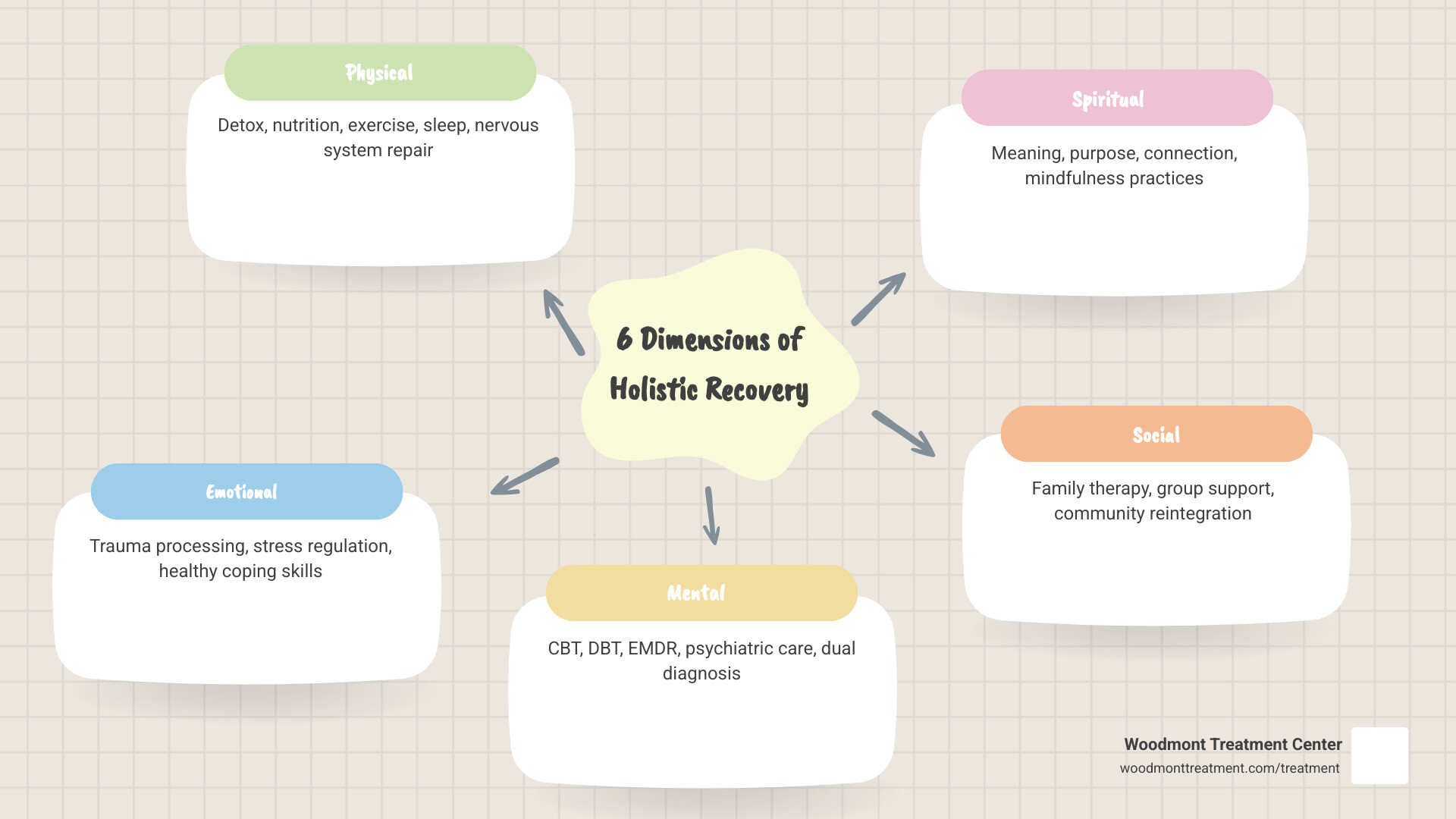
| Dimension | What Holistic Treatment Addresses |
|---|---|
| Physical | Medical detox, nutritional restoration, restorative exercise, sleep hygiene, and nervous system repair |
| Emotional | Trauma-informed processing, stress regulation, and the development of healthy coping mechanisms |
| Mental | Evidence-based therapies like CBT, DBT, and EMDR, psychiatric care, and dual diagnosis support |
| Spiritual | Reconnecting with meaning, purpose, and mindfulness practices to heal the inner self |
| Social | Family systems therapy, group support, and strategic community reintegration |
| Environmental | Healing in a non-hospital setting, nature immersion, and low-stress, high-comfort surroundings |
If you or a loved one in New Jersey are currently struggling with opioid or alcohol addiction, it is vital to understand that a holistic rehab program is not a departure from science; it is the evolution of it. For residents of Sussex and Warren County, Woodmont Treatment Center provides the local expertise and compassionate care needed to begin this journey toward wholeness.
- Holistic rehab combines evidence-based therapies (such as Cognitive Behavioral Therapy and EMDR) with complementary practices (like yoga, acupuncture, and functional nutrition therapy).
- It is designed to enhance clinical care, making traditional therapies more effective by ensuring the body and mind are in a state receptive to change.
- Programs are tailored to the individual, ranging from intensive residential inpatient care to structured outpatient support, always beginning with a safe, medically supervised detox.
- Most private PPO insurance plans recognize the efficacy of this model and cover a significant portion of the treatment costs.
You are not defined by your addiction, and you are certainly not broken. Addiction is a multifaceted condition that impacts every facet of your existence—your physical health, your relationships, and your very sense of self. This is precisely why a single-focus approach often fails to provide long-term relief. By treating the whole person, we address the root causes of the distress that led to substance use in the first place.
Research consistently demonstrates that programs integrating medical, psychological, social, and spiritual support produce significantly better long-term outcomes. Today, nearly 40% of adults in the United States utilize some form of complementary medicine alongside standard care because they recognize that true wellness requires a more inclusive perspective.
However, it is important to distinguish between a marketing term and a clinical philosophy. A genuine holistic addiction treatment center does not just offer a yoga class; it integrates these practices into a rigorous, multidisciplinary treatment plan. This guide explores the depth of genuine holistic care and how Woodmont Treatment Center—serving Sussex County and Warren County, NJ—sets the benchmark for this transformative model.
The Evolution of Recovery: What Defines a Top-Tier Holistic Addiction Treatment Center?
Historically, addiction treatment was often clinical and sterile, focusing almost exclusively on the physical act of stopping substance use. However, as our understanding of neurobiology and the psychology of trauma has matured, the industry has shifted toward a more compassionate and comprehensive model. A top-tier holistic addiction treatment center recognizes that substance use is frequently a symptom of deeper, underlying distress-whether that stems from unresolved trauma, chronic physiological stress, or chemical imbalances within the brain.
In 2026, the pinnacle of recovery care is defined by “Integrative Medicine.” This philosophy rejects the false choice between science and nature, instead utilizing the best of both worlds. Statistics indicate that approximately 4 out of 10 adults in the U.S. now seek out complementary and alternative medicine (CAM) to supplement traditional treatments. When this is applied to the recovery journey, it results in a program that stabilizes the body through advanced medical detox while simultaneously nurturing the spirit through environmental therapy and mindfulness. For a broad overview of how integrative care is defined in healthcare, see Integrative medicine.

The fundamental difference between a traditional rehab and a holistic approach lies in the “Whole-Person” philosophy. While traditional programs may rely heavily on the 12-step model or standard group talk therapy, a holistic center expands the therapeutic toolkit. We examine gut health, sleep architecture, cortisol levels, and the individual’s sense of purpose. By treating the person rather than the diagnosis, we empower individuals to rebuild a life that they no longer feel the need to escape from. For those seeking a comprehensive path to wellness, the focus is always on this profound interconnectedness of the human experience.
Integrating Evidence-Based Modalities in a Holistic Addiction Treatment Center
A common misconception is that “holistic” implies a lack of medical rigor. In reality, the most effective holistic programs maintain high clinical intensity. At Woodmont Treatment Center, we believe that the “soul” of recovery must be anchored by the “science” of medicine. This integration ensures that every patient receives a level of care that is both deeply personal and medically sound.
This integrated clinical approach includes:
- Cognitive Behavioral Therapy (CBT): A cornerstone of modern psychology used to identify and restructure the thought patterns that lead to self-destructive behaviors.
- Dialectical Behavior Therapy (DBT): Essential for building emotional regulation, mindfulness, and distress tolerance, helping patients navigate life’s challenges without turning to substances.
- EMDR (Eye Movement Desensitization and Reprocessing): A powerful, evidence-based tool used to process the deep-seated trauma that so often fuels the cycle of addiction.
- Multidisciplinary Teams: Effective care requires a collaborative effort between medical doctors, psychiatric nurses, licensed clinical therapists, and certified nutritionists, all working in harmony to support the patient’s progress.
When these clinical tools are paired with holistic practices, the results are synergistic. For example, a patient might engage in an intensive EMDR session to process a traumatic memory and then immediately transition into restorative yoga or meditation to “ground” their nervous system. This prevents the feeling of emotional raw-ness that can often lead to early relapse in traditional settings. You can find More info about our treatment services to see how these modalities are woven together into a seamless healing experience.
Core Principles and Evidence-Based Holistic Modalities
What does a daily schedule actually look like in a premier holistic addiction treatment center? It is a carefully curated blend of activities designed to repair the neurological and physical damage caused by long-term substance use. Every element of the day is intentional, aimed at restoring balance to the brain and body.
One of the most significant advancements in 2026 is the application of Functional Medicine within the recovery context. This involves utilizing comprehensive 80-panel bloodwork to identify the genetic, environmental, and lifestyle factors that contribute to illness. By analyzing vitamin deficiencies, gut microbiome health, and hormonal imbalances, we can develop a “biochemical restoration” plan. If a patient’s brain is physically depleted of dopamine or serotonin due to poor nutrition or gut dysfunction, traditional talk therapy may struggle to take root. By fixing the biology first, we create a fertile ground for psychological healing.
Other core holistic modalities that define our excellence include:
- Nutritional Therapy: Utilizing “food as medicine” to repair liver function, stabilize blood sugar, and provide the precursors necessary for neurotransmitter production.
- Acupuncture and Massage Therapy: These practices are used to manage the physical discomfort of withdrawal, reduce systemic inflammation, and lower cortisol levels.
- Biofeedback and Neurofeedback: These technologies allow patients to visualize their brain wave activity in real-time, teaching them how to consciously calm their own nervous system and improve focus.
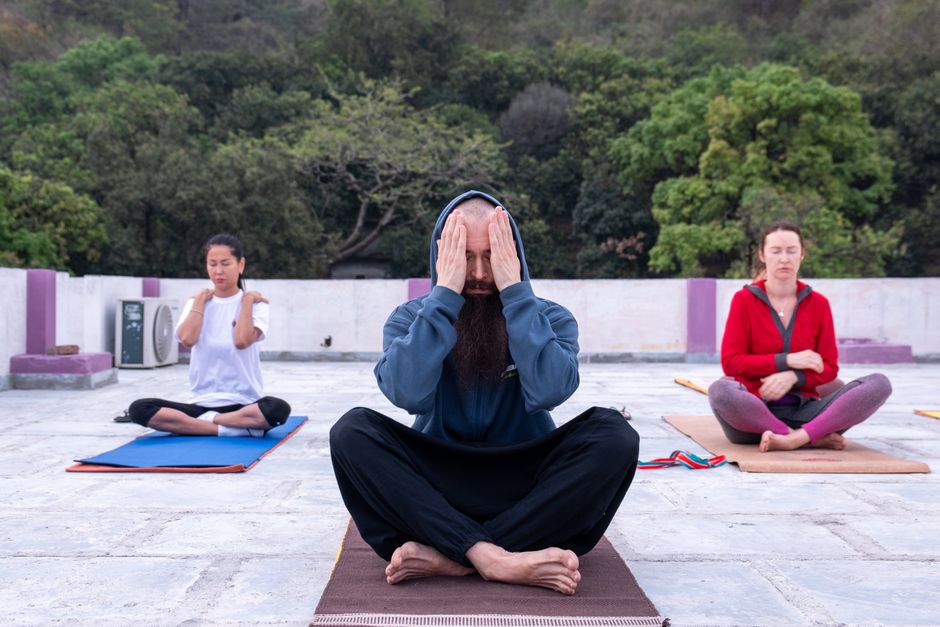
- Indigenous Wisdom and Ceremonies: Incorporating ancient practices such as breathwork, sound healing, or guided meditation to help patients reconnect with a sense of something greater than themselves.
- Biohacking for Recovery: Utilizing modern tools like infrared saunas, cold plunge therapy, and red-light therapy to stimulate the body’s natural cellular repair mechanisms and boost mood.
Research into advanced recovery protocols highlights that these practices aren’t just “feel-good” extras. They are biological interventions that help reset the HPA axis—the body’s central stress response system—which is often severely dysregulated in those struggling with addiction. By calming the “fight or flight” response, we allow the brain’s prefrontal cortex to come back online, enabling better decision-making and long-term sobriety.
The 5 Models of Clinical Excellence: Defining the Best Holistic Addiction Treatment Centers
When evaluating the landscape of the hundreds of holistic treatment centers currently operating across the country, we have identified five specific models of excellence that lead to the highest rates of sustained recovery. Understanding these models can help you and your family make an informed decision about which approach resonates most deeply with your unique healing needs.
A key metric of a premier facility is the staff-to-client ratio. While traditional, high-volume facilities often have ratios of 1:8 or higher, luxury holistic centers prioritize a 1:3 or even 1:2 ratio. This level of personalization ensures that every resident receives a bespoke healing plan that is adjusted daily based on their specific needs and progress. In a boutique setting, you are never just a number; you are a human being on a journey toward wholeness.
At Woodmont Treatment Center, we have studied these models extensively and drawn from the best elements of each to create a truly integrated experience. Our clinical team believes that no single model holds all the answers—rather, it is the thoughtful combination of these approaches, tailored to each individual, that produces the most meaningful and lasting transformation. As you read through each model below, consider which elements speak to your own experience and what kind of environment would best support your path forward.
1. The Clinical-Holistic Hybrid Model
This is the model we champion at Woodmont Treatment Center, and it represents the heart of our therapeutic philosophy. It places equal weight on medical safety and holistic healing, ensuring that neither is sacrificed for the other. This model is particularly effective for individuals with a “Dual Diagnosis”—those who are navigating both an addiction and a co-occurring mental health disorder such as clinical depression, anxiety, or PTSD.
By having board-certified psychiatrists and holistic practitioners working collaboratively on the same interdisciplinary team, we ensure that medication management and mindfulness practices work in harmony, creating a stable foundation for long-term health. Our counseling team has witnessed firsthand how this integrated approach allows clients to access deeper levels of therapeutic work more quickly, because their bodies and minds are being supported simultaneously rather than sequentially.
As the premier facility serving Sussex County and Warren County, NJ, Woodmont Treatment Center has refined this hybrid model to reflect the latest advances in both clinical research and complementary healing. Every treatment plan is built around the individual—not a template—and is continuously adjusted as our clinical team observes progress, setbacks, and emerging strengths throughout the recovery journey.
2. The Nature-Immersion Sanctuary
In this model, the environment itself serves as a “co-therapist.” Centers nestled in the serene, rolling landscapes of Sussex and Warren County, NJ, utilize the restorative power of the natural world to facilitate deep neurological healing. Whether it is through equine-assisted therapy, guided nature walks, or outdoor meditation, these programs use the physical world to help regulate the nervous system. Nature immersion has been scientifically shown to lower blood pressure and reduce the intrusive thoughts that often trigger cravings.

At Woodmont Treatment Center, we are deeply fortunate to be situated in one of New Jersey’s most tranquil and beautiful regions. Our grounds offer clients the opportunity to step outside of the therapeutic room and into a living landscape that supports their healing at every turn. The gentle rhythm of the natural environment—birdsong, open skies, and the quiet beauty of the surrounding countryside—provides a sensory experience that calms the nervous system in ways that no indoor setting can replicate. This is not a clinical facility tucked into an urban corridor; it is a private, peaceful retreat where nature becomes an active partner in your recovery.
3. The Functional Medicine & Biochemical Restoration Model
These centers operate with the precision of a high-end wellness suite, focusing on restorative health rather than a sterile clinical environment. They focus heavily on the gut-brain axis, using extensive diagnostic testing to prescribe specific amino acids, minerals, and nutrients. The goal is to help the brain stop “craving” substances by naturally replenishing the neurotransmitters that were depleted during active addiction. This biological approach addresses the physical roots of the disease, making the psychological work of recovery much more accessible.
4. The Boutique Residential Estate
Psychological safety is the primary focus of this model, and it is a principle that deeply informs the experience at Woodmont Treatment Center. By intentionally creating a warm, home-like environment rather than anything resembling an institutional setting, these centers significantly reduce the stress responses that can trigger the urge to use. When a person feels safe, comfortable, and respected, their brain can move out of “survival mode” and into “healing mode.”
This environment fosters a sense of dignity and self-worth, which are essential components of a successful recovery journey. Our counseling team understands that many individuals arriving at our doors have had negative experiences in cold, impersonal settings that left them feeling dehumanized rather than supported. At Woodmont, every detail of our residential estate—from the thoughtfully designed living spaces to the chef-prepared meals—is chosen to communicate one message: you are worthy of exceptional care.
As the premier residential treatment destination in Sussex and Warren County, we believe that the physical space in which healing occurs matters profoundly. Our estate provides the privacy, comfort, and beauty that allow clients to lower their defenses and engage authentically in the therapeutic process. Recovery requires vulnerability, and vulnerability requires safety. That is the foundation upon which our boutique model is built.
5. The Multigenerational & Indigenous Wisdom Model
These programs integrate ancient healing traditions—such as sweat lodges, fire ceremonies, or Wellbriety principles—alongside modern psychotherapy. This model is incredibly powerful for those who feel a deep spiritual void or a disconnection from their heritage. It provides a sense of belonging and historical context that can be a vital anchor during the early stages of sobriety.
| Feature | Luxury Holistic Program | Standard Hospital Program |
|---|---|---|
| Staff Ratio | 1:3 or 1:2 | 1:8 to 1:12 |
| Environment | Private estate, nature-focused | Clinical, sterile, institutional |
| Food | Organic, chef-prepared, nutrient-dense | Standard cafeteria fare |
| Therapy | 3-5 individual sessions per week | 1 individual session per week |
| Modalities | Yoga, IV therapy, Biohacking, EMDR | Group talk therapy, basic 12-step |
The Impact of Environment on Neurobiology and Stress Regulation
Why is it so important that a holistic addiction treatment center feels like a warm, private estate rather than a clinical facility? The answer is found in the delicate balance of your neurobiology.
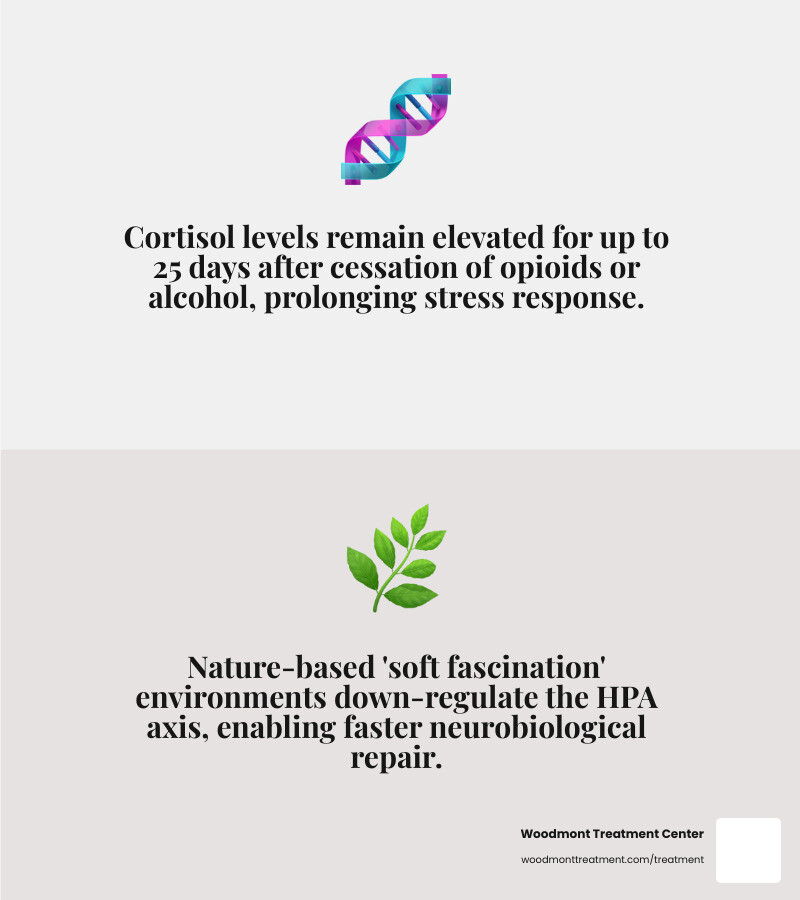
When an individual stops using substances, their HPA axis (the body’s central stress response system) enters a state of extreme hyperactivity. Research indicates that elevated cortisol levels—the body’s primary stress hormone—can persist for up to 25 days after the last use. If a person is placed in a sterile, loud, or high-stress institutional environment during this critical window, their body remains trapped in a state of “fight or flight,” making it nearly impossible to focus on healing.
In contrast, environments that offer what psychologists call “soft fascination”—such as the gentle rustling of leaves, the view of the mountains in Sussex County, or the crackle of a fireplace in a comfortable living room—allow the nervous system to down-regulate. This supportive design is not about mere aesthetics; it is about sensory regulation. By providing a low-stress, beautiful, and genuinely homelike setting, we help the brain repair its stress-response pathways more efficiently.
At Woodmont Treatment Center, our residential estate is a deliberate therapeutic choice. Every element of our environment—from the natural surroundings to the warmth of our communal spaces—is designed to invite your nervous system to relax, perhaps for the first time in years. Our counseling team has observed time and again that clients who feel physically and emotionally safe in their surroundings are able to engage more deeply in therapy, process difficult emotions with greater resilience, and build the internal resources necessary for sustained sobriety. This is why we have positioned ourselves as the premier facility in Sussex and Warren County: because we understand that where you heal is inseparable from how you heal.
Choosing a Program: Questions, Red Flags, and Insurance
Selecting the right holistic addiction treatment center is a monumental decision that can alter the course of your life. With so many options available, it is easy to feel overwhelmed. However, by focusing on a few key indicators of quality, you can find a program that truly meets your needs. Residents of Sussex and Warren County can access this premier care right in their own community at Woodmont Treatment Center, which offers a local, high-caliber alternative to institutional care.
When evaluating any facility, the first thing to look for is Joint Commission Accreditation. This voluntary “seal of approval” signifies that the center meets the highest national standards for safety and quality of care. It is the gold standard for healthcare organizations.
Red Flags to Avoid:
- “Spa-only” programs: If a facility offers luxury amenities like massages but lacks licensed clinical therapists or 24/7 medical doctors, it is a wellness retreat, not a comprehensive rehab.
- Lack of a 24/7 medical team: The detox process can be physically dangerous; you must have medical oversight around the clock to ensure your safety.
- Guaranteed “cures”: Recovery is a lifelong journey. Any program promising a 100% success rate is not being transparent about the chronic nature of the disease of addiction.
Evaluating the Cost and Insurance for a Holistic Addiction Treatment Center
A common concern for families is the cost of high-quality care. Fortunately, under the Affordable Care Act (ACA), addiction treatment is considered a mandatory health benefit. Most private PPO insurance plans provide significant coverage for residential treatment, though HMO plans may have more specific requirements or limitations.
At Woodmont Treatment Center, we are committed to transparency. We accept most major private insurance providers and offer a variety of payment options to ensure that our premier care is accessible to those who need it. You can Verify your insurance coverage through our secure online portal to receive an immediate assessment of your benefits. While the cost of a holistic program may be higher than a state-run facility due to the lower staff ratios and specialized therapies, it is often a more cost-effective investment in the long run, as it addresses the root causes and helps prevent the “revolving door” of multiple unsuccessful rehab attempts. You can Learn about our admissions process to see how we support families through every step of the logistics.
Frequently Asked Questions about Holistic Rehab
What is the difference between holistic and traditional rehab?
Traditional rehab typically focuses on the physical symptoms of addiction and behavioral modification through talk therapy and 12-step meetings. A holistic addiction treatment center expands this scope to include the mind, body, and spirit. It utilizes tools like functional nutrition, yoga, and neurobiology to support the clinical work. While traditional rehab asks, “How do we get you sober?” holistic rehab asks, “How do we help you become whole?”
Are holistic therapies covered by private insurance?
In most cases, insurance covers the “clinical” components of the stay—this includes medical detox, individual and group therapy sessions, psychiatric care, and residential room and board. While some specific alternative treatments might be considered out-of-network, they are typically bundled into the overall program at a premier facility. Most PPO plans are very supportive of integrative models because the data shows they lead to better long-term outcomes and lower rates of readmission.
How long does a typical holistic inpatient program last?
Most programs begin with a 30-day intensive residential phase. However, because holistic recovery involves deep, structural changes to one’s lifestyle and neurobiology, many individuals choose to stay for 60 or 90 days. We believe that the length of stay should be based on individual progress and clinical milestones, rather than a fixed number on a calendar. A full continuum of care, including outpatient support and aftercare, is essential for sustained success.
Conclusion
True recovery is about more than just the absence of a substance; it is about the presence of a vibrant, meaningful, and balanced life. At Woodmont Treatment Center, we are honored to serve as the premier holistic addiction treatment center for Sussex County and Warren County, NJ.
Our facility is designed to be a true sanctuary—a warm, private estate where the noise and stress of the outside world fade away, allowing you to reconnect with your own inner strength. Our counseling team walks alongside you through every stage of this journey, offering not just clinical expertise but genuine compassion and unwavering belief in your capacity to heal. By combining the rigorous science of evidence-based medicine with the gentle, time-honored wisdom of holistic care, we provide a path to transformation that is as unique as the individuals we serve.
We understand that reaching out for help requires tremendous courage. If you or a loved one are ready to break the cycle of chronic relapse and find a treatment program that truly sees and honors the whole you, we are here to guide you with warmth, professionalism, and deep respect for your dignity. From our peaceful New Jersey estate to our dedicated team of clinical experts, every aspect of our program is focused on your long-term success and well-being.
Take the first step toward a balanced, sober, and vibrant life today. Residents of Sussex and Warren County are encouraged to Contact our admissions team to learn more about our personalized programs and how we can support your journey to wellness.