




When You Need Alcohol Rehab Near Me: What to Know First
If you’re looking for alcohol rehab near me, here’s a quick answer to help you take the next step right now:
Top ways to find alcohol rehab near you:
- Call a referral helpline – Services like SAMHSA’s National Helpline (1-800-662-4357) connect you to local treatment options 24/7, for free
- Search for accredited centers – Look for facilities with licensed clinical staff, medical detox, and personalized treatment plans
- Check your insurance – Most private insurance plans cover rehab as a mandatory benefit under the ACA
- Choose the right level of care – Options range from medical detox and inpatient programs to outpatient and intensive outpatient (IOP)
- Look for dual diagnosis support – If mental health issues like anxiety or depression are involved, find a center that treats both together
Alcohol addiction is more common than most people realize. Over 14 million adults in the United States struggle with alcohol use disorder (AUD). Yet only about 8% ever receive treatment.
That gap is a serious problem. Alcohol is the number one addiction issue in Canada, and it ranks among the most dangerous in the US as well. Untreated, it damages the brain, the body, relationships, and careers.
The good news? Recovery is possible. With the right care, people rebuild their lives every day.
This guide walks you through everything you need to know — from spotting the warning signs of alcohol addiction to finding the best treatment program near you.
**Alcohol rehab near me ** vocabulary:
Understanding Alcohol Addiction: Signs and Physical Impact
Alcohol addiction is not a moral failing or a lack of willpower; it is a chronic brain disease. When we talk about finding an alcohol rehab near me, we are talking about finding medical and psychological intervention for a condition that physically rewires how the brain functions.
How Alcohol Changes the Brain
The primary driver of addiction lies in the brain’s reward system. Alcohol triggers a massive release of dopamine, the “feel-good” chemical. Over time, the brain’s dopamine receptors become desensitized. This means the person needs more alcohol just to feel “normal,” a phenomenon known as tolerance. Eventually, the brain stops producing enough dopamine on its own, leading to the deep depression and anxiety often seen during withdrawal.
Physical and Behavioral Red Flags
Recognizing the signs of alcohol use disorder is the first step toward seeking help. Common symptoms include:
- Inability to quit: Making repeated, unsuccessful attempts to cut back or stop drinking.
- Blackouts: Regularly forgetting chunks of time while under the influence.
- Physical dependence: Experiencing “the shakes” (tremors), nausea, or sweating when not drinking.
- Neglecting responsibilities: Missing work, school, or family obligations due to hangovers or drinking sessions.
- Hiding use: Drinking in secret or lying about how much has been consumed.
The Impact on the Body
Long-term alcohol abuse doesn’t just stay in the mind. It causes significant organ damage, particularly to the liver (cirrhosis and hepatitis) and the heart. Furthermore, scientific research on co-occurring mental health and substance use shows that approximately 50% of people with substance use disorders also struggle with mental health conditions like anxiety or depression. This makes professional treatment essential, as trying to quit “cold turkey” can be life-threatening due to the risk of seizures and Delirium Tremens.

Finding the Best Alcohol rehab near me
When you begin your search for alcohol rehab near me, the sheer number of options can feel overwhelming. However, not all facilities are created equal. To ensure you or your loved one receives the highest quality of care, there are several key factors we recommend looking for.
What to Look For in a Quality Center
- Accreditation: Ensure the facility is licensed and accredited by recognized healthcare bodies.
- Staff-to-Patient Ratio: Recovery is a deeply personal journey. Centers with a low staff-to-patient ratio can provide the individualized attention necessary for a breakthrough.
- Evidence-Based Care: The best programs utilize addiction treatment services that are backed by science, such as Cognitive Behavioral Therapy (CBT) and Dialectical Behavior Therapy (DBT).
- Personalized Assessment: Every person’s history with alcohol is different. A quality center will perform a comprehensive intake assessment to tailor the program to your specific needs, health status, and goals.
Clinical Expertise and Atmosphere
A “clinical” environment doesn’t have to feel like a hospital. Many of the most successful programs combine high-level medical expertise with a warm, supportive atmosphere. In locations like Newton, NJ and Sussex County, we focus on creating a space where residents feel safe enough to be vulnerable and do the hard work of healing.
Different Levels of Alcohol rehab near me
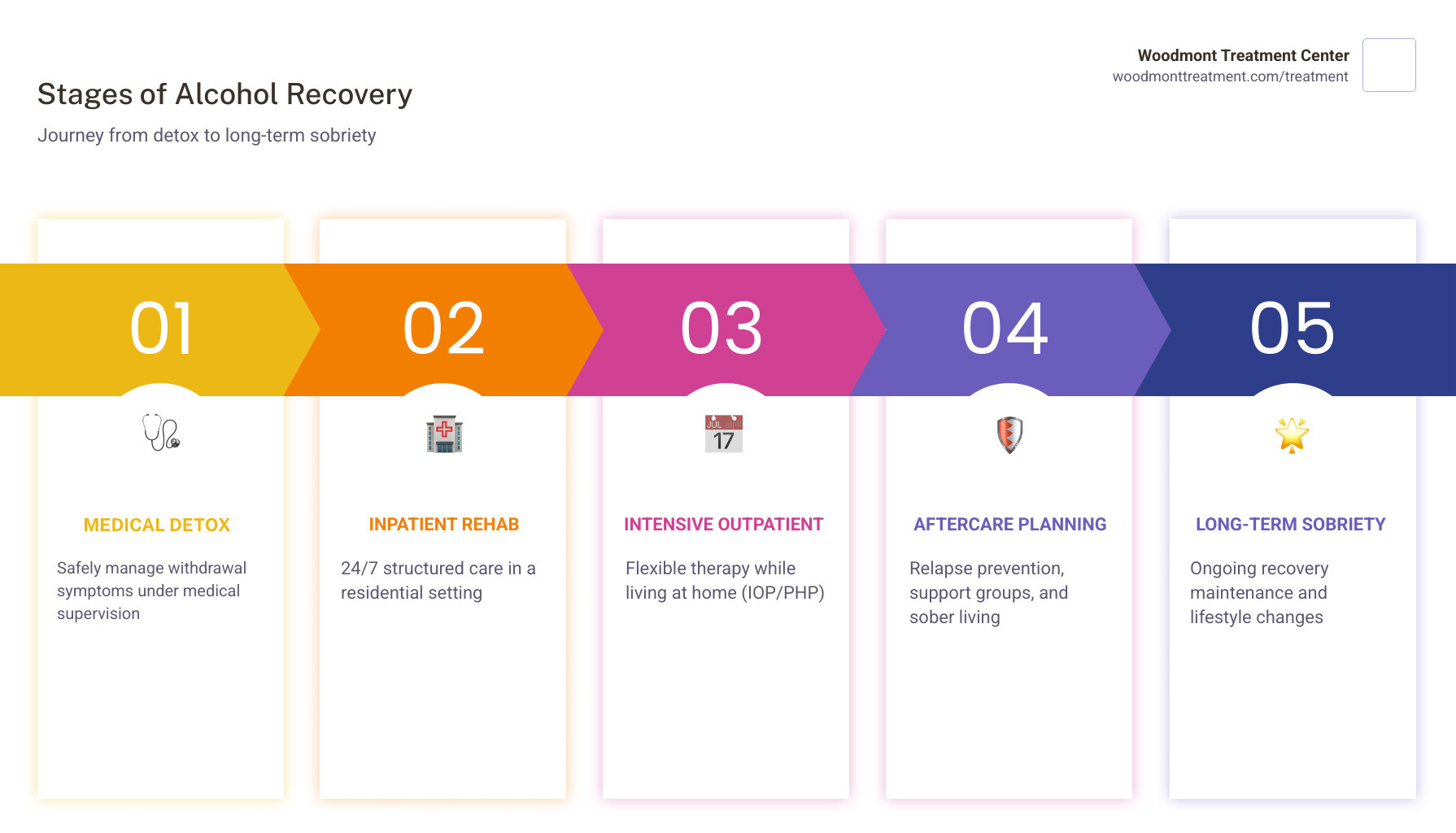
Recovery is not a one-size-fits-all process. Depending on the severity of the addiction and the presence of any co-occurring disorders, different levels of care may be required.
| Level of Care | Best For | Typical Duration |
|---|---|---|
| Medical Detox | Safe withdrawal management | 3 to 7 days |
| Inpatient/Residential | Intensive, 24/7 support | 30 to 90 days |
| Partial Hospitalization (PHP) | High support while living off-site | 2 to 4 weeks |
| Intensive Outpatient (IOP) | Balancing recovery with work/life | 3 to 6 months |
Medical Detox
This is the critical first step for heavy drinkers. Because alcohol withdrawal can cause seizures and other dangerous complications, medical supervision is non-negotiable. Doctors use medications to ease discomfort and ensure the body stabilizes safely.
Inpatient and Residential Treatment
Inpatient care offers a structured environment away from the triggers of everyday life. This is often the “gold standard” for long-term success, as it allows individuals to focus entirely on their recovery. In our New Jersey facilities, this includes individual therapy, group sessions, and holistic activities.
Outpatient Programs (PHP & IOP)
For those who have completed inpatient care or have a strong, supportive home environment, outpatient programs offer flexibility. Intensive Outpatient Programs (IOP) typically require a commitment of at least 9 hours per week, allowing patients to maintain their jobs or school schedules while receiving professional guidance.
Specialized Alcohol rehab near me and Bilingual Services
We recognize that different populations face unique challenges in recovery. Specialized programs can make a significant difference in comfort and success rates.
- Women’s Residential Programs: These provide a safe space to address trauma and gender-specific social pressures.
- Youth and Young Adult Care: Tailored for those aged 12-17 or 18-25, focusing on peer influence and developmental milestones.
- LGBTQ+ Support: Programs that emphasize inclusivity and address the specific stressors faced by the community.
- Cultural Sensitivity: In diverse areas like Bergen County, NJ, having staff who understand various cultural backgrounds is essential for building trust.
The Role of Medical Detox and Dual Diagnosis Treatment
One of the biggest hurdles to starting recovery is the fear of withdrawal. This fear is valid—alcohol is one of the few substances where withdrawal can actually be fatal if not managed correctly.
Withdrawal Management and Seizure Prevention
During medical detox, clinical teams monitor vital signs around the clock. The goal is to prevent the most severe symptoms, such as Delirium Tremens (DTs) and seizures. By using medication-assisted treatment (MAT), we can significantly reduce the physical cravings and pain associated with the early days of sobriety.
Why Dual Diagnosis Matters
As mentioned earlier, addiction rarely travels alone. Many people use alcohol to “self-medicate” underlying issues like PTSD, anxiety, or depression. If a rehab center only treats the drinking and ignores the depression, the person is much more likely to relapse.
Scientific research on problematic substance use help emphasizes that integrated treatment—addressing both mental health and substance use simultaneously—leads to much better long-term outcomes. This holistic approach ensures that the “why” behind the drinking is addressed alongside the physical habit.
Holistic Healing
Modern recovery is about more than just “not drinking.” It’s about building a life you don’t feel the need to escape from. This involves:
- Trauma-Informed Care: Processing past events that may have triggered substance use.
- Mindfulness and Yoga: Helping the body and mind reconnect.
- Nature-Based Therapy: Utilizing serene environments, like our campus in Andover Township, NJ, to promote peace and reflection.
Navigating Costs, Insurance, and Aftercare Support
A common question we hear is, “How much does this cost?” While private rehab can seem expensive, there are many ways to make it accessible.
Insurance and Funding
Under the Affordable Care Act (ACA), substance abuse treatment is considered an essential health benefit. This means most private insurance plans are required to cover at least a portion of rehab. We encourage you to verify your insurance coverage early in the process to see what your specific plan provides.
For those without private insurance, options include:
- Self-Pay/Payment Plans: Many facilities offer flexible financing.
- Scholarships: Some centers have funds set aside for those in financial need.
- Public Options: State-funded programs are available, though they often have longer waiting lists.
The Importance of Aftercare
Finishing a 30-day program is a massive achievement, but it’s just the beginning. The real test happens when you return to your daily life. A robust aftercare plan is the “safety net” of recovery.
- Alumni Networks: Staying connected with others who have walked the same path.
- Support Groups: Participating in Alcoholics Anonymous (AA), Narcotics Anonymous (NA), or SMART Recovery. These groups provide community and accountability.
- Sober Living: For some, transitioning to a structured sober living home provides the necessary bridge between rehab and full independence.
Frequently Asked Questions about Alcohol Recovery
How long does alcohol rehab typically last?
The duration of rehab depends entirely on the individual’s needs and the severity of their addiction.
- 30-Day Intensive: Great for a “reset” and establishing initial sobriety.
- 60 to 90 Days: Often recommended for those with long-term addictions or co-occurring disorders, as it provides more time for brain chemistry to stabilize.
- Long-Term Residential: Some individuals benefit from 6 months or more of structured care to fully rebuild their life skills.
What are the most common alcohol withdrawal symptoms?
Withdrawal varies from person to person but generally includes:
- Mild: Anxiety, shaky hands (tremors), headache, nausea, and insomnia.
- Moderate: Increased blood pressure, confusion, and rapid heart rate.
- Severe (Medical Emergency): Hallucinations, seizures, and Delirium Tremens (DTs). Because of these risks, we always advise against detoxing alone at home.
How can I get immediate help for alcohol addiction?
If you are ready to take the step toward recovery today:
- Call a Crisis Line: Available 24/7 for immediate support.
- Same-Day Intake: Many private facilities, including Woodmont Treatment Center, offer rapid admissions for those in urgent need.
- Emergency Detox: If you are already experiencing withdrawal symptoms, head to an emergency room or a specialized detox center immediately.
Conclusion
The journey of recovery is rarely a straight line, but it is a path worth taking. Choosing an alcohol rehab near me is the first step toward reclaiming your health, your relationships, and your future.
At Woodmont Treatment Center, we believe in a holistic, personalized approach to healing. Our luxurious New Jersey facilities in Newton and Andover Township provide a serene environment where you can focus on what matters most: your well-being. By combining evidence-based protocols with a warm, compassionate team, we help our residents move from the darkness of addiction into the light of long-term sobriety.
You don’t have to do this alone. Our care teams are ready to walk this path with you, providing the medical and emotional support needed for a lasting transformation.
Start the admissions process today and take back control of your life.