




When Every Hour Counts: Why 24-Hour Addiction Care Can Save a Life
24-hour addiction care refers to round-the-clock medical and therapeutic support for people struggling with substance use disorders — available any time of day or night, including weekends and holidays.
If you or someone you love needs help right now, here’s what you need to know:
- Call SAMHSA’s National Helpline anytime: 1-800-662-4357 (free, confidential, 24/7)
- New Jersey residents can call ReachNJ at 1-844-REACHNJ — a live person answers within 30 seconds
- Same-day admission is available at Woodmont Treatment Center for Sussex and Warren County residents
- No insurance? You can still access care — resources are available regardless of ability to pay
- In a medical emergency (seizure, overdose, loss of consciousness) — call 911 first
If you are in Sussex or Warren County and need immediate help, contact Woodmont Treatment Center now for 24/7 support.
The numbers are hard to ignore. Nearly 49 million Americans meet the criteria for a substance use disorder. Yet only about 1 in 4 who need specialty treatment actually receive it. That gap isn’t just a statistic — it represents millions of people waiting too long, or never getting help at all.
For someone in the grip of opioid dependence or alcohol withdrawal, waiting is not a neutral act. It carries real risks: worsening withdrawal, overdose, and the fading of that crucial window of motivation when a person is ready to accept help.
That’s exactly why 24-hour addiction care exists — not just as a convenience, but as a lifeline.
Whether you’re personally struggling, worried about a family member, or simply trying to understand your options, this guide walks you through everything: how 24-hour care works, where to find it, what to expect, and how facilities like Woodmont Treatment Center — serving Sussex and Warren County, New Jersey — provide compassionate, evidence-based support in a comfortable residential setting at any hour.
Relevant articles related to 24 hour addiction care:
Understanding 24-Hour Addiction Care and Its Critical Role

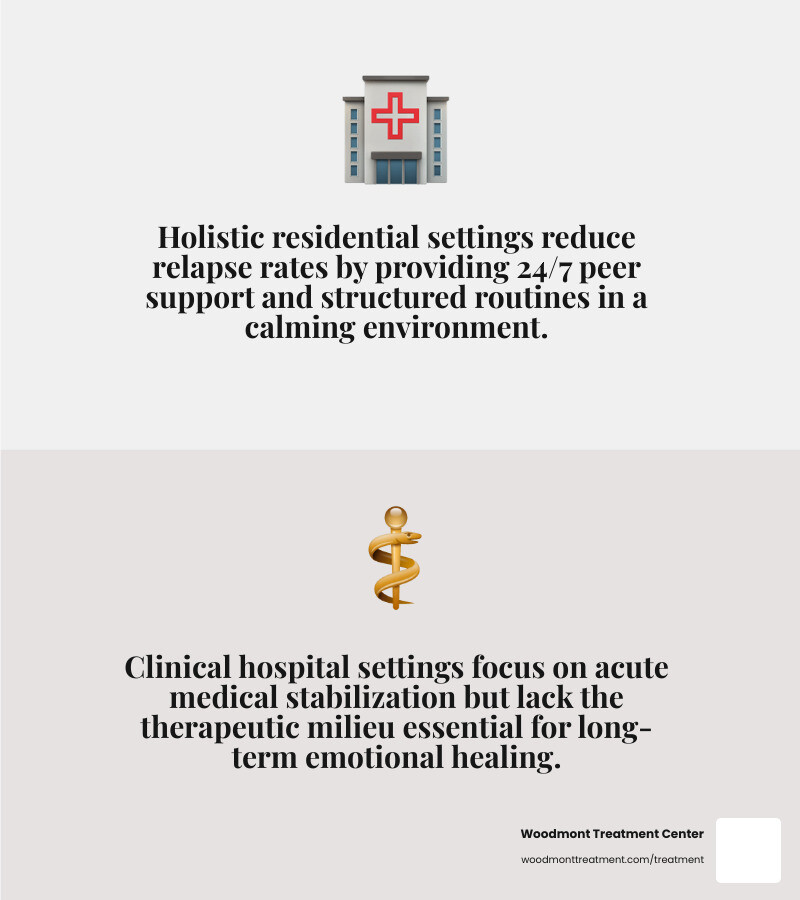
When we talk about 24 hour addiction care, we are describing a level of support that never sleeps. Unlike standard outpatient programs or clinical hospital settings, 24-hour residential care provides a continuous safety net in a warm, home-like environment. This is vital because addiction doesn’t follow a schedule; a crisis can occur at 3:00 AM on a Tuesday just as easily as it can on a Friday afternoon.
At the heart of this care is medical supervision provided in a supportive residential milieu. For many, the first step into recovery involves withdrawal, a process that can be physically taxing. Scientific research on withdrawal management levels highlights that high-intensity services (such as ASAM Level 3.7) are necessary for those with complex needs. At Woodmont Treatment Center, nursing and medical staff are present around the clock to manage symptoms and ensure stabilization without the sterile, cold atmosphere of a hospital ward.
This continuous monitoring isn’t just about physical safety; it’s about creating a therapeutic environment where every interaction is designed to promote healing. Whether it is a midnight conversation with a night-shift counselor or a medically managed dose of comfort medication, comprehensive treatment services ensure that the individual is never alone in their struggle.
Benefits of 24-Hour Addiction Care Hotlines
One of the most accessible entry points into the recovery world is the 24/7 hotline. These services provide immediate, confidential support to anyone in need. In New Jersey, we are fortunate to have resources like ReachNJ.
ReachNJ is a shining example of how state-specific resources can bridge the gap to care. Every call is answered by a live person, typically within the first 30 seconds. This rapid response is critical for reducing the stigma that often prevents people from reaching out. When you call a hotline, you aren’t just getting a phone number; you are getting a compassionate ear and an immediate referral to local providers. In 2025 alone, New Jersey’s helpline completed over 17,000 interactions, proving that national and state support resources are essential tools in the fight against substance use disorders.
Differentiating Residential Care from Standard Outpatient
It’s important to understand the clinical intensity of 24-hour residential care compared to standard outpatient options. While outpatient care allows an individual to live at home, residential care offers total environmental control in a peaceful, non-clinical setting.
In a 24-hour residential setting, the risk of relapse is significantly reduced because the triggers of the outside world are temporarily removed. Staffing is constant, providing a level of peer support and structured routine that outpatient programs simply cannot match. For those in early recovery in Sussex and Warren County, having a 24/7 team available to navigate cravings or emotional distress can be the difference between a setback and a breakthrough.
Immediate Access: 24/7 Hotlines and Same-Day Admissions
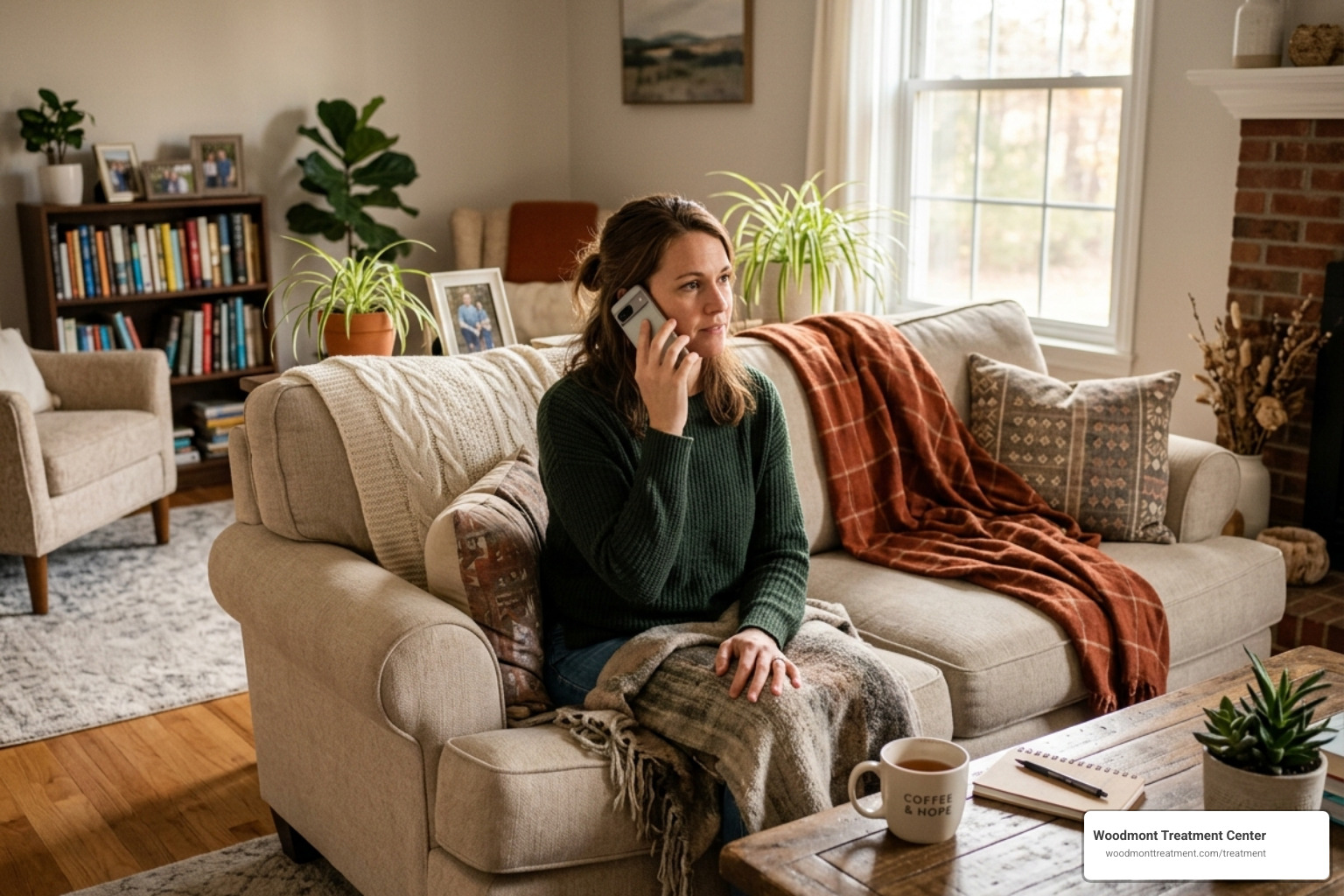
When the decision is made to seek help, speed is of the essence. We often see that long wait times lead to decreased follow-through. If someone has to wait two weeks for a bed, their motivation may wane, or their physical condition may worsen. This is where same-day admission and emergency detox become life-saving options.
Emergency detox programs are designed for immediate crisis intervention. If you or a loved one are experiencing severe withdrawal or are at high risk of overdose, Detox Hotline resources can help you find a facility that accepts patients immediately. By reducing barriers to entry, we ensure that the moment a person is ready for change, the door is open. In Warren County and Sussex County, local addiction services programs work tirelessly to connect residents with these urgent care options.
What to Expect in 24-Hour Addiction Care Admissions
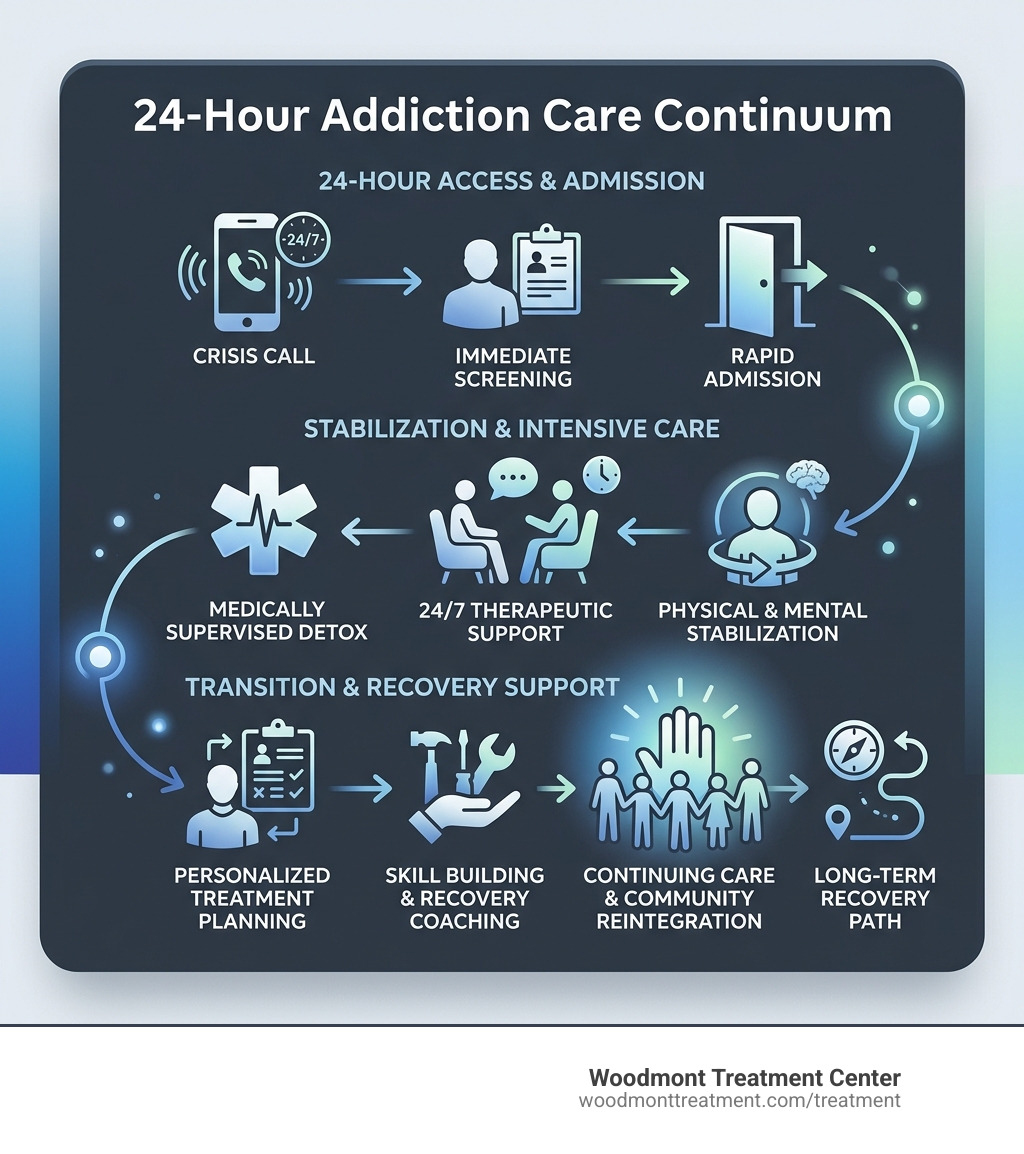
The admissions process for 24-hour care is thorough but designed to be as smooth as possible. When you arrive or call for an assessment, you can expect a few standard steps:
- Clinical Assessment: A professional will talk with you about your history of substance use, mental health, and physical well-being.
- Toxicology Screening: This helps the medical team understand exactly what substances are in your system so they can create a safe detox plan.
- Insurance Verification: Our team works to verify your insurance coverage quickly so you can focus on your health, not the paperwork.
- Personalized Planning: No two journeys are the same. We develop a roadmap tailored to your specific needs.
To get a head start on this process, you can learn more about the admissions process online, which helps demystify the experience and reduces anxiety.
Eligibility and Access for Uninsured Individuals
A common misconception is that 24-hour care is only for those with premium private insurance. In New Jersey, this is simply not the case. ReachNJ provides connections to treatment regardless of insurance status or ability to pay.
For our neighbors in Sussex County, the Sussex County addiction directory lists numerous state-funded resources and diversionary services. These programs are designed to ensure universal care, meaning that a lack of funds should never be a barrier to receiving high-quality, 24-hour support.
The Clinical Process of Medically Supervised Detox
Detoxification is more than just “getting the drugs out of your system.” It is a sophisticated clinical process. In our 24-hour residential facility, we use validated tools like the CIWA-Ar (for alcohol) and the COWS scale (for opioids) to measure the severity of withdrawal symptoms objectively.
Medically supervised detox at Woodmont provides pharmacological support to ease the pain of withdrawal in a serene, home-like atmosphere. This might include medications to prevent seizures, manage blood pressure, or reduce intense cravings. Beyond medication, 24-hour care involves constant vital sign monitoring, nutrient replacement, and hydration therapy. Withdrawal can dehydrate the body and deplete essential vitamins; our goal is to stabilize the person physically in a comfortable environment so they are strong enough to begin the psychological work of rehab. For those in immediate need, emergency detox information is available 24/7.
Managing Withdrawal Symptoms Around the Clock
Withdrawal symptoms don’t take breaks, and neither do our nursing teams. Certain substances, like alcohol and benzodiazepines, can cause life-threatening complications if not managed correctly. By choosing a residential setting over a hospital, patients receive the same high-level care in a much more dignified and relaxing space.
With 24-hour nursing, we can provide benzodiazepine tapers or opioid stabilization (using medications like buprenorphine) the moment symptoms escalate. Comfort medications for nausea, insomnia, and anxiety are also available around the clock, ensuring that the detox process is as painless as possible.
Specialized 24-Hour Addiction Care for Vulnerable Populations
We recognize that certain groups require specialized attention. This includes:
- Dual Diagnosis: About half of those with a substance use disorder also struggle with a mental health condition. 24-hour care allows for integrated treatment of both.
- Pregnant Women: Supervised detox is critical to avoid fetal harm and ensure both mother and baby are safe.
- Adolescents and Youth: Specialized programs address the unique developmental needs of younger individuals.
- Trauma-Informed Care: Many people use substances to cope with past trauma. A 24-hour supportive residential environment allows for the slow, safe processing of these experiences.
Planning for Long-Term Recovery: Costs and Transitions
As we move toward April 2026, the landscape of addiction care continues to evolve, particularly regarding insurance. Thanks to the Mental Health Parity and Addiction Equity Act (MHPAEA), most insurance plans are required to cover addiction treatment at the same level they cover other medical procedures.
While out-of-pocket costs can vary, we encourage families to explore FMLA protections, which can secure your job while you seek 24-hour care. The first step is always to verify your insurance coverage with a trusted provider.
The Risks of Delaying Immediate Treatment
The risks of delaying treatment are profound. Addiction is a chronic, progressive disease. The longer it continues, the more it alters the brain’s neuroplasticity, making recovery more challenging. Beyond the individual, the family impact can be devastating, characterized by broken trust and emotional exhaustion.
Immediate access to 24-hour care is the best defense against overdose. With the prevalence of high-potency synthetic opioids, there is no “safe” time to wait. Immediate intervention saves lives and preserves the health of the community.
Transitioning from 24-Hour Care to Outpatient Support
24-hour care is often the beginning of a longer journey. As a person stabilizes, we begin discharge planning—sometimes as early as day one. This involves “step-down” care, where an individual might move from residential treatment to an Intensive Outpatient Program (IOP) or a sober living environment.
Aftercare planning includes building a relapse prevention toolkit, connecting with alumni networks, and engaging with recovery coaching. This transition ensures that the progress made during 24-hour care is sustained once the individual returns to their daily life.
Top 10 Resources and Facilities for 24-Hour Addiction Care
When searching for the best 24 hour addiction care, it is important to look for facilities that offer a non-hospital, holistic environment. Here are the top resources and types of facilities to consider in the New Jersey area:
- Woodmont Treatment Center (Newton, NJ): As the premier facility in Sussex and Warren County, we offer a luxurious, holistic retreat for recovery. Our programs are evidence-based and delivered in a warm, residential setting that feels like home, not a clinic.
- ReachNJ (1-844-REACHNJ): The primary state resource for immediate referrals and live support for all New Jersey residents.
- SAMHSA National Helpline (1-800-662-HELP): A 24/7, 365-day-a-year treatment referral and information service.
- FindTreatment.gov: A confidential and anonymous resource for persons seeking treatment for mental health and substance use disorders.
- Sussex County Division of Social Services: Provides local links to 24-hour diversionary services and clinical stabilization.
- Warren County Addiction Services: Offers guidance on local 24-hour detox and residential options within the county.
- National Drug Helpline (844-289-0879): A private resource offering 24/7 support and information on various treatment levels.
- 988 Suicide & Crisis Lifeline: While focused on crisis, they are a vital link for those experiencing substance-related psychological distress.
- NJ MentalHealthCares: Provides support and referrals for co-occurring disorders across the state.
- Woodmont Treatment Center (Andover Township, NJ): Our specialized location focuses on personalized recovery plans and comprehensive addiction treatment for those in the Sussex County area.
Frequently Asked Questions about 24-Hour Care
How confidential are calls to 24-hour addiction hotlines?
Calls to reputable 24-hour hotlines are 100% confidential and anonymous. They are protected by federal laws like HIPAA and 42 CFR Part 2, which govern the privacy of substance use disorder records. You can speak freely about your situation without fear of legal repercussions or your employer finding out.
Can I be admitted to a 24-hour facility on the same day I call?
Yes, same-day admission is a primary goal of 24-hour addiction care. While it depends on bed availability and medical stability, facilities like Woodmont Treatment Center strive to begin the intake process the moment you reach out to minimize the risk of a person changing their mind or experiencing a medical crisis.
Does insurance typically cover 24-hour residential treatment?
Most major insurance providers, including private plans, Medicaid, and Medicare, cover 24-hour residential treatment when it is deemed medically necessary. Because addiction is recognized as a medical condition, insurance parity laws require coverage for these services.
Conclusion
The path to recovery is rarely a straight line, but it always begins with a single, courageous step. Whether that step is a phone call at midnight or walking through the doors of a residential center on a Sunday morning, 24 hour addiction care ensures that help is always within reach.
At Woodmont Treatment Center, we believe in the power of holistic wellness and compassionate intervention. Serving Sussex and Warren County, we provide a sanctuary for those seeking to reclaim their lives from substance use—offering a peaceful alternative to sterile hospital environments. From the moment you contact us, you are met with an expert clinical team dedicated to your sustainable sobriety.
Don’t let another hour pass in uncertainty. Whether you are looking for detox, residential care, or simply someone to talk to, our doors and our hearts are open. If you are a resident of Sussex or Warren County, start your recovery journey today and discover the difference that personalized, 24-hour residential care can make.