





Starting addiction treatment often begins with detox, but not all detox experiences are the same. For many individuals, medical supervision during this early phase plays a critical role in long-term recovery. Understanding how inpatient care works can help explain why inpatient detox improves addiction recovery outcomes when compared to unmanaged or home-based approaches.
People exploring treatment options often ask why inpatient detox is important before committing to care. The answer lies in how the body and brain respond to substance withdrawal and how medical oversight supports both safety and stability during that process.
Let’s understand the medical foundations of inpatient detox, how it supports recovery, and why it continues to be a trusted starting point in addiction treatment programs.
The Medical Purpose of Inpatient Detox
Inpatient detox is designed to help the body safely adjust when substance use stops. Withdrawal can involve physical and psychological symptoms that range from mild discomfort to serious medical complications.
A medically supervised environment ensures that symptoms are checked continuously and addressed early. Rather than reacting to problems after they escalate, inpatient care focuses on prevention, observation, and stabilization.
Key medical goals of inpatient detox include:
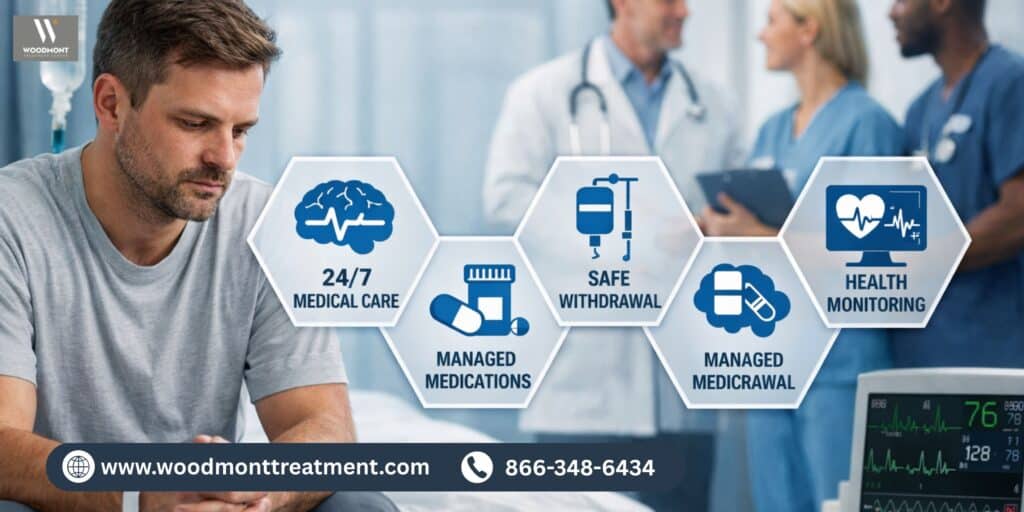
- Monitoring vital signs around the clock
- Identifying withdrawal complications early
- Supporting hydration, nutrition, and rest
- Providing structured observation during high-risk periods
These goals explain many of the benefits of inpatient detox, especially for individuals with long-term or high-dependency substance use.
How Medical Monitoring Supports Stability
Withdrawal affects each person differently. Factors such as substance type, duration of use, physical health, and mental health history all influence how detox unfolds.
Medical supervision allows care teams to adjust support in real time. This shows why the medical benefits of inpatient detox cannot be matched in non-clinical environments.
When symptoms are managed early and carefully, individuals are less likely to experience destabilizing complications that interrupt the recovery process.

Common Challenges During Detox and How They Are Managed
Detox can be physically and emotionally demanding. Medical teams anticipate challenges and provide support, ensuring early care leads to safe stabilization. Key areas of focus include:
- Monitoring and managing physical symptoms like nausea, tremors, and fatigue
- Providing reassurance and emotional support during moments of anxiety or stress
- Adjusting care plans based on individual needs
- Maintaining rest, nutrition, and hydration to stabilize the body
These practices contribute to the overall benefits of inpatient detox by keeping individuals safe, supported, and ready for the next phase of treatment.
How Medical Detox Supports Recovery Beyond Withdrawal
Detox is not a cure for addiction, but it lays the groundwork for successful treatment. One reason medical detox supports recovery is by reducing physical stress during the earliest days of sobriety.
When the body is stabilized:
- Cognitive clarity improves
- Emotional regulation becomes more manageable
- Individuals can better engage in therapeutic planning
This transition is essential for improving overall inpatient addiction recovery outcomes, since treatment engagement often begins immediately after detox.
Why Medically Supervised Detox Supports Safer Recovery
Medically supervised inpatient detox offers around-the-clock monitoring to help manage withdrawal symptoms, protect physical health, and promote early stability. Many insurance plans may help cover detox services, easing financial concerns and allowing individuals to focus fully on recovery and the next phase of treatment.
Get Started NowThe Importance of Routine and Structure in Detox
Medical detox programs follow structured routines that create consistency during an uncertain time. Predictability reduces anxiety and supports nervous system regulation.
Care teams provide reassurance, clear explanations, and regular check-ins. This consistency is part of the medical detox advantages that help individuals feel safe enough to focus on recovery instead of symptoms.
Comparing Inpatient and Home Detox Options
Some people consider detoxing at home due to convenience or privacy concerns. However, the inpatient detox vs home detox benefits comparison often highlights significant medical differences.
Inpatient detox offers:
- Continuous medical observation
- Immediate response to complications
- Controlled environments without access to substances
- Professional support during peak withdrawal periods
Detoxing at home lacks important safety measures, which can affect both health and early recovery progress.
Physical and Emotional Support During Detox
Withdrawal affects both the body and mind. Effective care addresses both dimensions together. Inpatient settings provide physical and emotional support during detox through coordinated medical and clinical care.
Support often includes:
- Medical observation for physical symptoms
- Emotional reassurance during distress
- Calm, low-stimulation environments
- Clear communication about what to expect
This dual focus reduces fear and builds confidence during early recovery.

How Detox Prepares You for the Next Step in Recovery
Detox is most effective when it prepares individuals for the next phase of care. Medical teams help identify ongoing treatment needs, whether residential, outpatient, or therapeutic support.
Understanding the role of medical detox in addiction recovery helps explain why detox is integrated into larger treatment plans rather than treated as a standalone solution.
When individuals complete detox in a stable condition, they are more likely to continue care, which influences overall inpatient detox success rate metrics across treatment programs.
Medical Focus Areas During Inpatient Detox
| Medical Focus Area | Purpose |
| Vital sign monitoring | Identifies withdrawal risks early |
| Symptom observation | Guides clinical response |
| Rest and hydration | Supports physical stabilization |
| Emotional check-ins | Reduces anxiety and distress |
| Care planning | Prepares for next treatment steps |
Supporting Recovery Through Structured Detox Care
Early stabilization influences how individuals experience treatment emotionally and mentally. When detox is managed safely, individuals often feel more capable of engaging in therapy and planning.
This connection between early care and long-term outcomes supports the value of inpatient medical detox as a foundation for recovery.
Key Takeaways
- Inpatient detox provides continuous medical supervision during withdrawal
- Medical monitoring reduces risks and improves stability
- Structured care supports emotional and physical safety
- Detox prepares individuals for ongoing addiction treatment
- Medical oversight improves engagement and recovery continuity
Frequently Asked Questions
Que – How long does inpatient detox usually last?
Most inpatient detox programs last five to seven days, depending on individual needs.
Que – Is inpatient detox necessary for everyone?
Not everyone requires inpatient care, but it is recommended for moderate to severe substance dependence.
Que – Does detox alone treat addiction?
No. Detox addresses physical stabilization and should be followed by ongoing treatment.
Que – What happens after inpatient detox?
Most individuals transition into residential or outpatient treatment programs for continued support.
Conclusion
Understanding how medical care supports detox shows why a structured, supervised program is so important at the start of recovery. Inpatient detox is not about rushing withdrawal. It focuses on keeping the body stable, supporting mental well-being, and getting people ready for the next steps in treatment.
At Woodmont Treatment Center, inpatient detox is designed with medical oversight, compassionate care, and a clear focus on safety and transition. By combining clinical expertise with supportive environments, Woodmont Treatment Center helps individuals begin recovery with stability, clarity, and confidence.
For those considering treatment, learning how medical detox supports recovery can be an important step toward informed and effective care.