





Medically Reviewed by: Steve, Physician – expert in helping people with serious mental illnesses, including but limited to Major depression, bipolar disorder, schizophrenia, anxiety, and ADHD.
Addiction recovery for professionals provides confidential, personalized treatment designed for individuals managing careers, responsibilities, and professional reputations. Treatment may address substance use, stress, burnout, and underlying mental health concerns while helping professionals develop healthier coping strategies and prepare for long-term recovery.
Key Takeaways
- Addiction can affect professionals in any career, including healthcare, law, business, education, and public service.
- High-pressure work environments, stress, burnout, and long hours may contribute to unhealthy coping behaviors.
- Professional addiction treatment focuses on privacy, individualized care, and sustainable recovery.
- Seeking help early can protect your health, relationships, and long-term career success.
- Insurance verification and confidential admissions support can help professionals begin treatment without unnecessary delays.
Addiction Recovery for Professionals at a Glance
| Topic | Details |
| Who is it for? | Executives, doctors, nurses, lawyers, entrepreneurs, first responders, and working professionals |
| Common challenges | High stress, burnout, workplace pressure, stigma, and fear of career consequences |
| Treatment approach | Personalized addiction treatment, therapy, mental health support, and relapse prevention |
| Is treatment confidential? | Yes, treatment centers protect patient privacy according to applicable laws |
| Can professionals return to work? | Many individuals successfully return to their careers after receiving appropriate treatment |
| First step | Speak with an admissions team and verify insurance benefits |
Why Addiction Can Affect Successful Professionals
Many people assume addiction only impacts those whose personal or professional lives have completely deteriorated. In reality, substance use disorders can affect individuals from every background, including highly successful professionals.
Doctors, attorneys, executives, business owners, educators, and other professionals may continue performing at a high level while silently struggling with alcohol or drug use.
Professional success does not eliminate the possibility of addiction. In some cases, the very traits that help individuals succeed—perfectionism, competitiveness, high responsibility, and the ability to function under pressure—may make it harder to recognize when help is needed.

What Causes Addiction Among Professionals?
Professionals often face unique pressures that can contribute to unhealthy coping mechanisms.
Workplace Stress and Burnout
Long hours, demanding schedules, high expectations, and constant decision-making can lead to chronic stress and emotional exhaustion.
Some individuals may turn to alcohol or drugs as a temporary way to relax, sleep, manage anxiety, or maintain performance.
Easy Access to Certain Substances
Some professions may provide greater exposure or access to prescription medications, increasing the risk of misuse when healthy boundaries and support systems are not in place.
Pressure to Maintain an Image of Success
Many professionals fear appearing weak or incapable. As a result, they may hide their struggles and delay treatment because they are concerned about their reputation, career, or financial responsibilities.
Signs a Professional May Need Addiction Treatment
A professional may benefit from seeking support if they experience:
- Increased dependence on alcohol or drugs to manage stress
- Difficulty controlling substance use
- Using substances before or during work responsibilities
- Declining physical or mental health
- Relationship conflicts related to substance use
- Increased secrecy or isolation
- Difficulty balancing personal and professional responsibilities
Recognizing these signs early can prevent addiction from causing more serious consequences.
The Unique Challenges Professionals Face When Seeking Recovery
Fear of Confidentiality Issues
Many professionals worry about who will know they are receiving treatment.
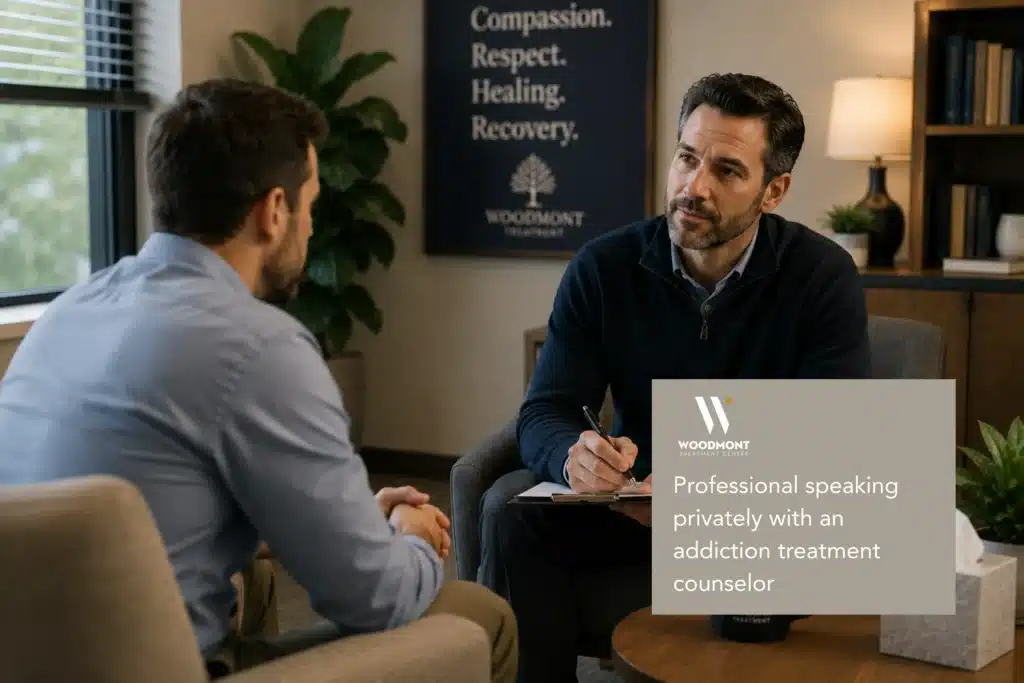
A professional addiction treatment program prioritizes patient confidentiality and provides a safe environment where individuals can focus on healing without unnecessary concerns about privacy.
Fear of Career Impact
Many people worry that taking time away from work will damage their professional reputation or future opportunities.
However, untreated addiction often creates greater risks for career performance, relationships, finances, and health than seeking professional help.
Difficulty Taking Time Away From Responsibilities
Executives, business owners, and professionals often have families, teams, and organizations depending on them. Treatment planning can help individuals understand their options and prepare for responsibilities during recovery.
What Does Addiction Treatment for Professionals Include?
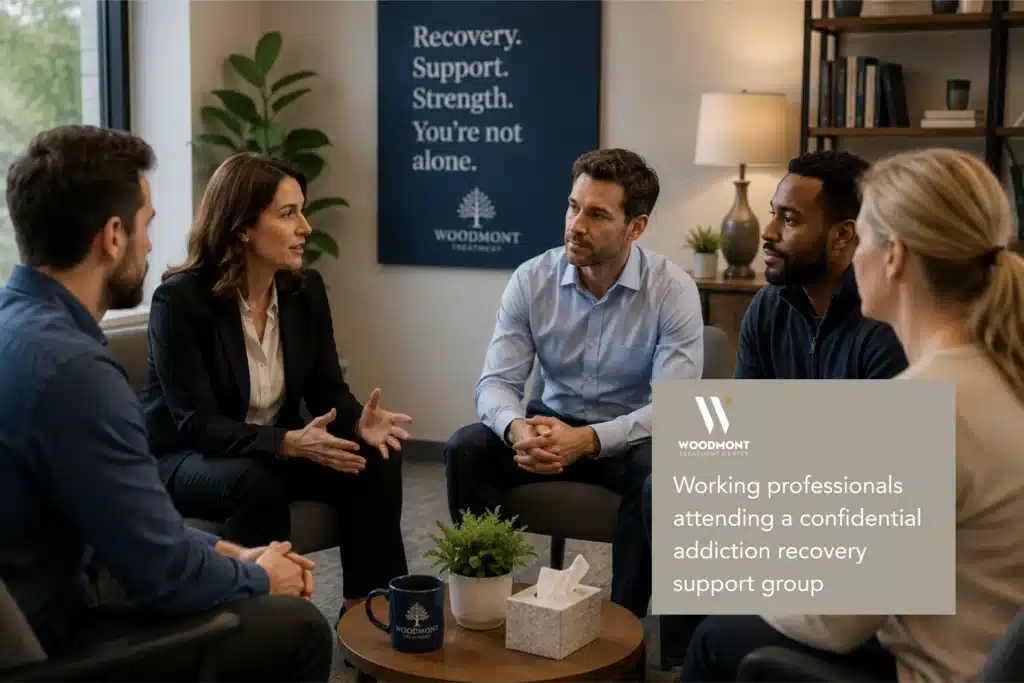
Every professional has different responsibilities, personal circumstances, and recovery needs. Effective treatment plans are personalized and may include:
- Individual therapy
- Group counseling
- Family therapy
- Behavioral therapies
- Mental health support
- Trauma-informed care
- Relapse prevention planning
- Stress management techniques
- Holistic therapies
The goal is not only to stop substance use but also to help individuals build healthier strategies for managing stress and maintaining long-term wellness.
Addressing Burnout, Stress, and Mental Health
Many professionals experiencing addiction also struggle with anxiety, depression, trauma, or chronic stress.
Treating addiction without addressing these underlying concerns may increase the risk of relapse. A comprehensive approach that supports both substance use recovery and emotional wellness can create a stronger foundation for lasting change.

Returning to Work After Addiction Treatment
One of the most common concerns professionals have is whether they can successfully return to their careers after rehab.
The answer is yes. Many individuals return to work with improved coping skills, healthier routines, and a renewed focus on their professional and personal goals.
Recovery planning may include identifying workplace triggers, developing stress-management techniques, creating healthy boundaries, and establishing ongoing support systems.
Finding Addiction Recovery Programs for Professionals in New Jersey
Professionals searching for addiction recovery programs in New Jersey should consider treatment centers that understand the challenges of balancing recovery with career responsibilities.
At Woodmont Treatment, individuals receive compassionate and personalized support designed to address addiction and the underlying emotional factors contributing to substance use.
Whether someone is a healthcare provider, attorney, executive, entrepreneur, or working professional, seeking help is a sign of strength and commitment to a healthier future.
Take the First Step Toward Confidential Addiction Recovery
You do not have to choose between protecting your career and protecting your health.
Seeking professional addiction treatment can help you regain control, strengthen your relationships, and create a sustainable path forward.
Speak confidentially with the Woodmont Treatment admissions team by calling (866) 348-6434.
Verify your insurance benefits:
https://woodmonttreatment.com/verify-insurance/
Visit Woodmont Treatment:
293 Route 206
Newton, New Jersey
Email:
admissions@woodmontnj.com
Contact our admissions team:
https://woodmonttreatment.com/contact/
Frequently Asked Questions About Addiction Recovery for Professionals
Can professionals seek addiction treatment confidentially?
Yes. Addiction treatment programs protect patient privacy and confidentiality. Many professionals seek treatment while carefully considering their personal, family, and career responsibilities.
What careers are most affected by addiction?
Addiction can affect individuals in any profession. However, people working in high-stress environments, such as healthcare, law, business, finance, emergency services, and leadership positions, may experience increased risk factors related to stress and burnout.
Can I keep my job while going to addiction treatment?
Every situation is different, depending on your employer, responsibilities, and treatment needs. Discussing your options with a treatment provider can help you understand the best path forward.
How do I verify my insurance for addiction treatment?
The admissions team at Woodmont Treatment makes it easy to check your insurance benefits before beginning treatment.
How do I get started with addiction recovery at Woodmont Treatment?
The first step is reaching out for a confidential conversation about your situation and treatment options.
Call (866) 348-6434, email admissions@woodmontnj.com, or contact the admissions team.
Is seeking addiction treatment a sign of weakness?
No. Seeking help demonstrates self-awareness and commitment to long-term health, relationships, and professional success.