




Objective
This blog explains why fentanyl addiction often requires professional care, how it affects the brain and body, and why medical support, therapy, and aftercare can make recovery safer and more stable. Centers like Wood Mont Treatment are built around this kind of structured support.
Key Takeaways
- Fentanyl is 50 to 100 times stronger than morphine, a tiny amount can be fatal.
- This addiction physically changes brain chemistry. It is not a willpower problem.
- Stopping without medical help can trigger life-threatening complications.
- A licensed counselor treats emotional and behavioral roots of addiction, not just the physical ones.
- Professional treatment offers the safest, most effective path to real recovery.
Table of Contents
- What Makes Fentanyl So Dangerous?
- How This Addiction Takes Hold
- Why Quitting Alone Is Dangerous
- What Professional Treatment Involves
- The Role of a Substance Abuse Counselor
- Signs Someone Needs Help Now
- How Families Can Help
- Conclusion
- FAQs
1. What Makes Fentanyl So Dangerous?
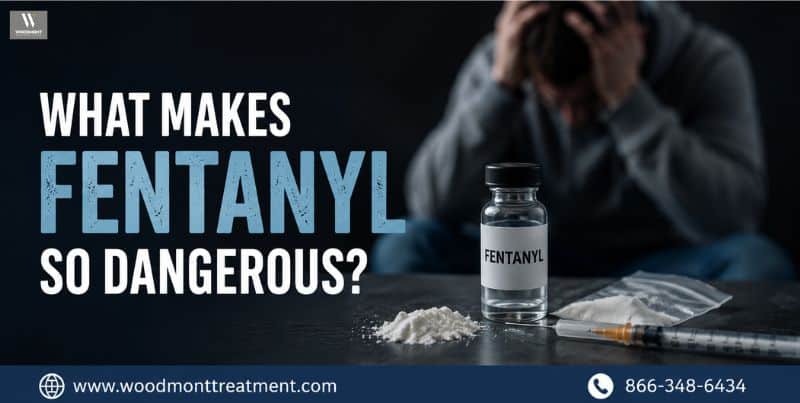
Fentanyl is a synthetic opioid developed to treat severe pain, things like post-surgical recovery or late-stage cancer. In hospitals, doctors use it at carefully measured doses under strict supervision.
The danger is illegal fentanyl. It is often found in heroin, cocaine, counterfeit pills, and other street drugs. Most people do not even know they are taking it. It is 50 to 100 times stronger than morphine, because it is very potent, even a very small amount can be dangerous.
That is why it has become the leading cause of overdose deaths in the United States for several years running.
2. How This Addiction Takes Hold
The drug floods the brain with dopamine, the chemical tied to pleasure and reward. The brain registers this rush as something it must have again. So it starts chasing it.
Here is how this opioid addiction typically develops:
- Early use can create a strong effect that the brain may want to repeat.
- The brain adjusts fast, requiring more of the drug to produce the same effect.
- Within days or weeks, the person feels physically sick without it.
- At that point, using is no longer about getting high, it is about feeling normal.
This is physical dependence. Once it sets in, stopping without help feels nearly impossible. The brain has been chemically altered. That is not a personal failure, it is a medical reality.
Wood Mont Treatment approaches addiction exactly this way, as a medical condition, not a moral one.
3. Why Quitting This Opioid Alone Is Dangerous
Many people find the first days very difficult because withdrawal symptoms and cravings can feel intense. When someone dependent on this drug stops suddenly, the body goes into withdrawal. Symptoms begin within 12 hours of the last dose and build fast.
Common withdrawal symptoms include:
- Severe muscle cramps and bone-deep pain
- Nausea, vomiting, and diarrhea
- Fever, chills, and drenching sweats
- Heart palpitations and shortness of breath
- Intense anxiety and panic attacks
- Severe low mood or emotional distress
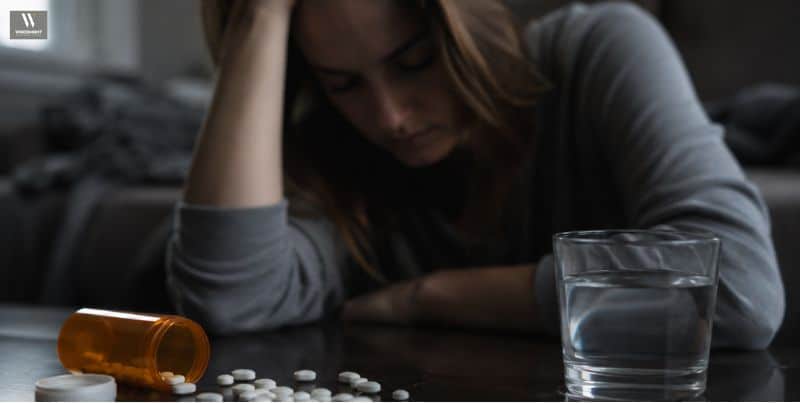
Some people return to use quickly because symptoms and cravings feel hard to manage. That relapse is where the real danger lies. Even a brief break can cause tolerance to drop sharply. A person returns to their previous dose and overdoses.
Severe dehydration from vomiting and diarrhea also poses a serious risk on its own, one that needs clinical monitoring to manage safely.
This is not about lacking strength. The body is in a genuine crisis. Medical detox exists to manage that crisis safely.
4. What Professional Fentanyl Addiction Treatment Involves
Good treatment is not a single event. It is a structured sequence of care that addresses the physical, emotional, and behavioral sides of addiction together.
Medical Detox
This is where treatment begins. Medical staff monitor the patient around the clock. Doctors often prescribe buprenorphine or methadone to reduce withdrawal symptoms and cravings. Detox alone does not cure the addiction, but it gets the person safely through the worst of withdrawal so real healing can begin.
Inpatient Rehabilitation
Inpatient rehab removes the person from their daily environment, away from triggers, stress, and drug access. They live at the facility, attend daily individual and group therapy, and start building the skills needed for lasting sobriety. Structure in early recovery is not restrictive. It is protective.
Medication-Assisted Treatment (MAT)
MAT pairs medications like buprenorphine or naltrexone with ongoing counseling. Research shows that medications such as buprenorphine, methadone, and naltrexone are FDA-approved options for opioid use disorder and are often used with counseling and ongoing care.
. It treats a medical condition with medicine, the same way any chronic illness is managed.
Outpatient Programs
After inpatient care, outpatient programs let people live at home while continuing structured treatment several times per week. This phase bridges full-time care and independent living.
Aftercare Planning
Recovery does not end at discharge. A good treatment center builds an aftercare plan before the person leaves, ongoing therapy, support groups, and regular check-ins. Without this, relapse risk climbs steeply in the first weeks after treatment.
5. The Role of a Substance Abuse Counselor
A substance abuse counselor is one of the most important people in a person’s recovery, and one of the most misunderstood.
They are not just someone to talk to. They are a trained clinician who helps people understand why they use and what needs to change to stop.
Their work typically includes:
- Conducting individual therapy to work through trauma, grief, or mental health concerns.
- Identifies personal triggers that lead to cravings or relapse.
- Teaches practical coping tools that replace the need to use.
- Works with families to rebuild trust and improve communication.
- Coordinates with medical staff to align the full treatment plan.
Many people in recovery carry unresolved trauma, abuse, chronic pain, PTSD, or grief. The drug became their way of coping. Without addressing those roots through counseling, treatment only scratches the surface. The person becomes physically sober, but the wound underneath remains open. That gap is why relapse so often follows.
Get Professional Help for Fentanyl Recovery Today
Professional fentanyl addiction treatment programs provide a safe and supportive environment for recovery. Through medical supervision, therapy, and personalized care, individuals can begin healing from addiction, manage emotional challenges, and build healthier habits that support long-term wellness and stability.
Get Started Now6. Signs Someone Needs Help Now
| Warning Sign | What It Looks Like |
| Cannot stop despite wanting to | Repeated failed attempts to quit |
| Withdrawal symptoms | Pain, sweating, or anxiety when not using |
| Rising tolerance | Needing more for the same effect |
| Neglecting responsibilities | Missing work, skipping family obligations |
| Social withdrawal | Pulling away from friends and loved ones |
| Financial deterioration | Spending bill money on drugs |
| Severe mood changes | Irritability, paranoia, or deep depression |
If several of these apply, to someone you know or to yourself, substance abuse has crossed into addiction. Waiting will not improve things. It makes them worse.
7. How Families Can Help
Watching someone you love struggle is exhausting and heartbreaking. You want to fix it. You cannot force recovery. But you can do things that genuinely help, and stop doing things that quietly make it worse.
- Stop covering for them. Paying their bills or making excuses removes the natural consequences of addiction.
- Stop making empty threats. Ultimatums never enforced carry no weight.
- Learn what addiction actually is. Understanding it as a brain disease changes how you respond to difficult behavior.
- Set real limits. Protecting your own mental health is not selfish, it is necessary.
- Keep pointing toward treatment. People rarely seek help after one conversation. Be patient and consistent.
- Find support for yourself. Nar-Anon and Al-Anon are free groups for families of people with addiction.
You cannot recover for someone else. But you can create the conditions where recovery feels possible to them.
Recovery from this opioid addiction is genuinely hard. There is no easy way through it. But with proper medical care, the guidance of a qualified counselor, and a structured program, it is completely possible. People recover every single day.
Wood Mont Treatment provides medically supervised detox, inpatient rehabilitation, and structured aftercare support for people in New Jersey. Their team is available 24 hours a day.
If you or someone you love is struggling with fentanyl addiction, do not wait for things to get worse. Call a professional treatment center today. Getting help is not giving up, it is the most important decision a person can make.
8. Conclusion
Fentanyl addiction is not something a person should have to face alone. It affects the body, the mind, and the ability to make safe choices. Professional care can help manage withdrawal, reduce risk, and give a person the structure needed to begin recovery with support.
Recovery takes time, but the right help can make the first step safer and clearer.
If you or someone you love is struggling, reach out to Wood Mont Treatment today and speak with a professional who can guide you toward the next safe step.
9. FAQs
Q1. How quickly does this type of addiction develop?
Faster than most people expect. Physical dependence can develop after just a few days of regular use. The brain adapts rapidly and begins requiring the drug to function normally. Addiction, compulsive use despite real consequences, often follows within weeks.
Q2. What medications are used during opioid detox?
Buprenorphine and methadone are the most commonly used. Both reduce withdrawal symptoms and lower cravings. Clonidine is sometimes added to manage anxiety, elevated heart rate, and sweating. A doctor determines the right approach based on each person’s health history.
Q3. Can someone recover long-term?
Yes. Many people achieve lasting recovery with the right combination of medication, therapy, and aftercare. Long-term success depends heavily on what happens after formal treatment ends, ongoing counseling, community support, and relapse prevention planning all matter.
Q4. What should I do if someone is overdosing?
Call 911 immediately. If naloxone (Narcan) is available, use it right away. Due to the drug’s potency, multiple doses are often needed. Stay with the person and do not leave them alone. Do not assume one dose of Narcan is enough.
Q5. Can this addiction occur alongside a mental health disorder?
Yes, and it is very common. Depression, anxiety, PTSD, and trauma-related disorders frequently occur alongside substance use disorders. This is called a dual diagnosis. Effective treatment must address both at the same time, treating only the addiction while ignoring the mental health condition makes relapse far more likely.